I call a theatre (a place in which) all actions of words, of sentences, of particulars of a speech or of subjects are shown, as in a public theatre in which comedies and tragedies are acted.
FLUDD, Utriusque cosmi maioris scilicet et minoris metaphysica, physica atque technica historia, p.55 (1617)
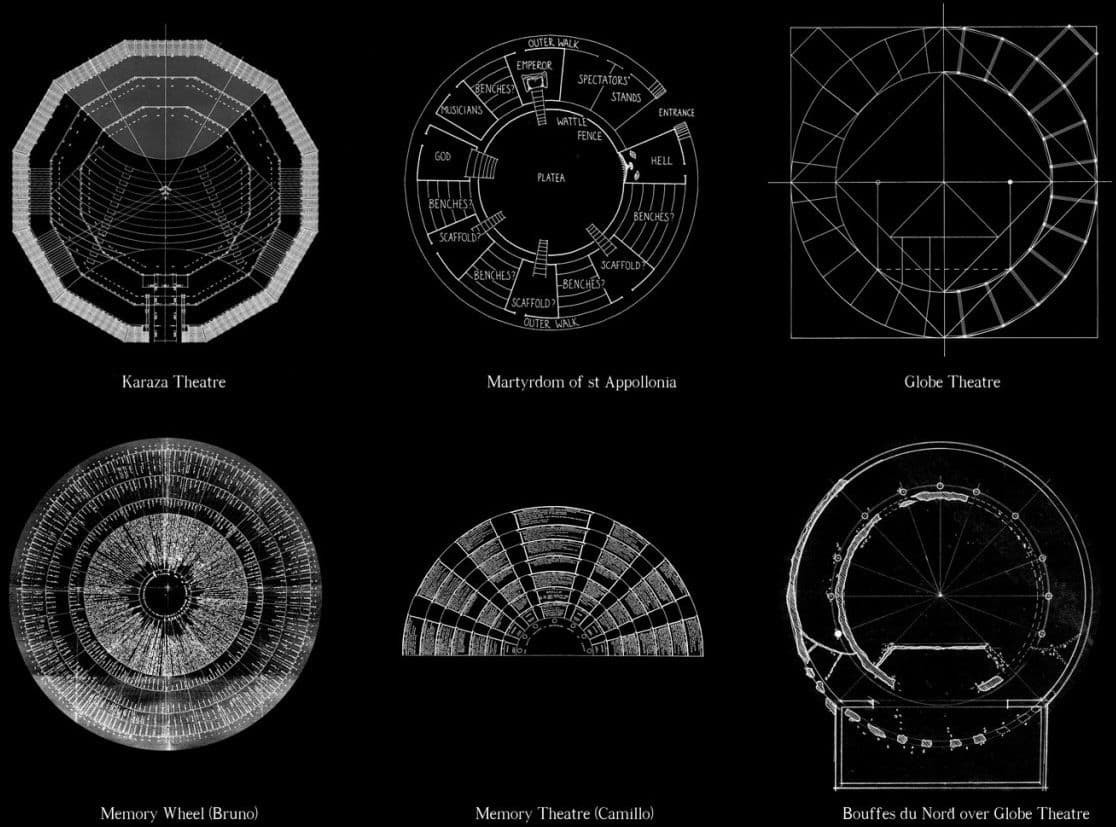
Pollard, Exquisite Corpse (2010)
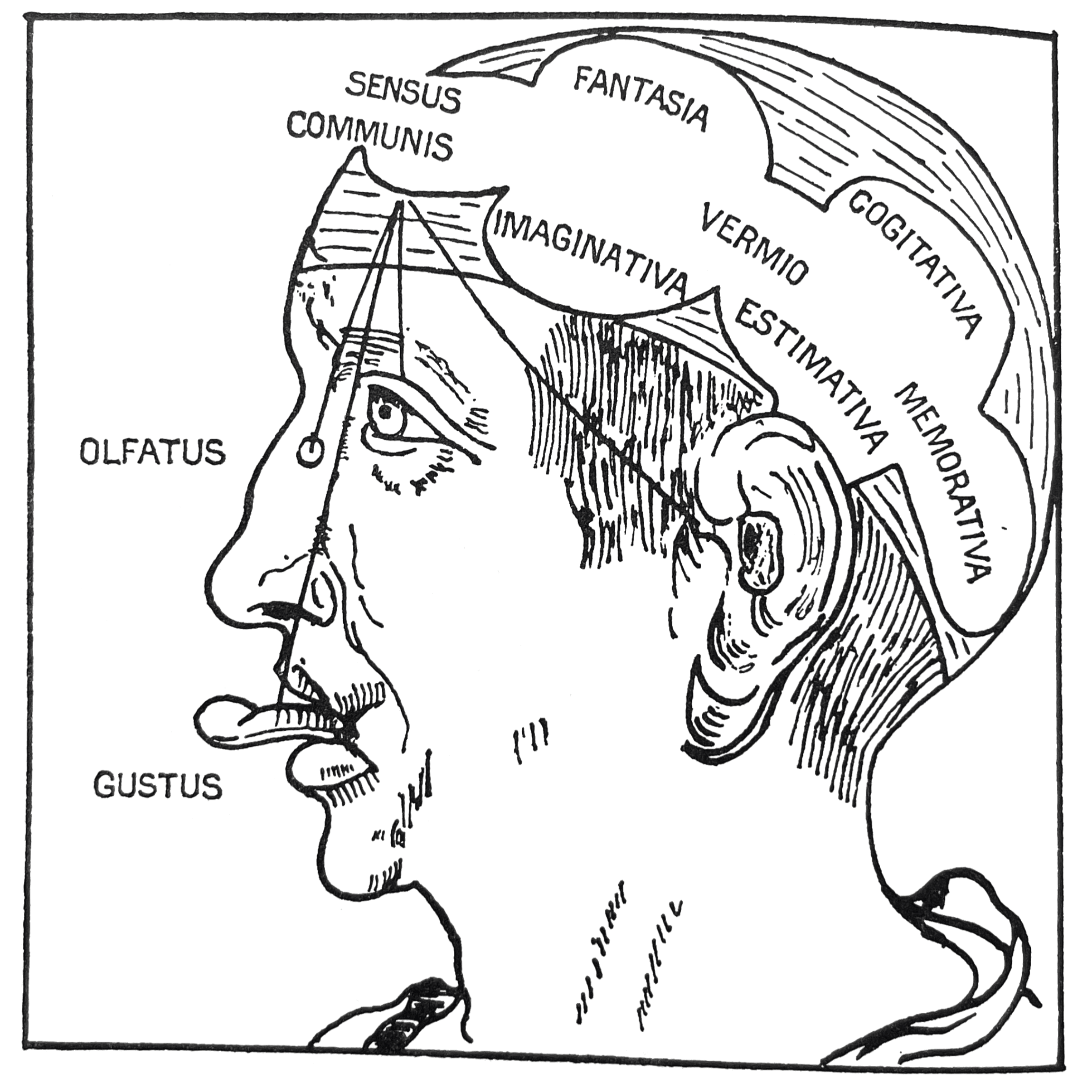
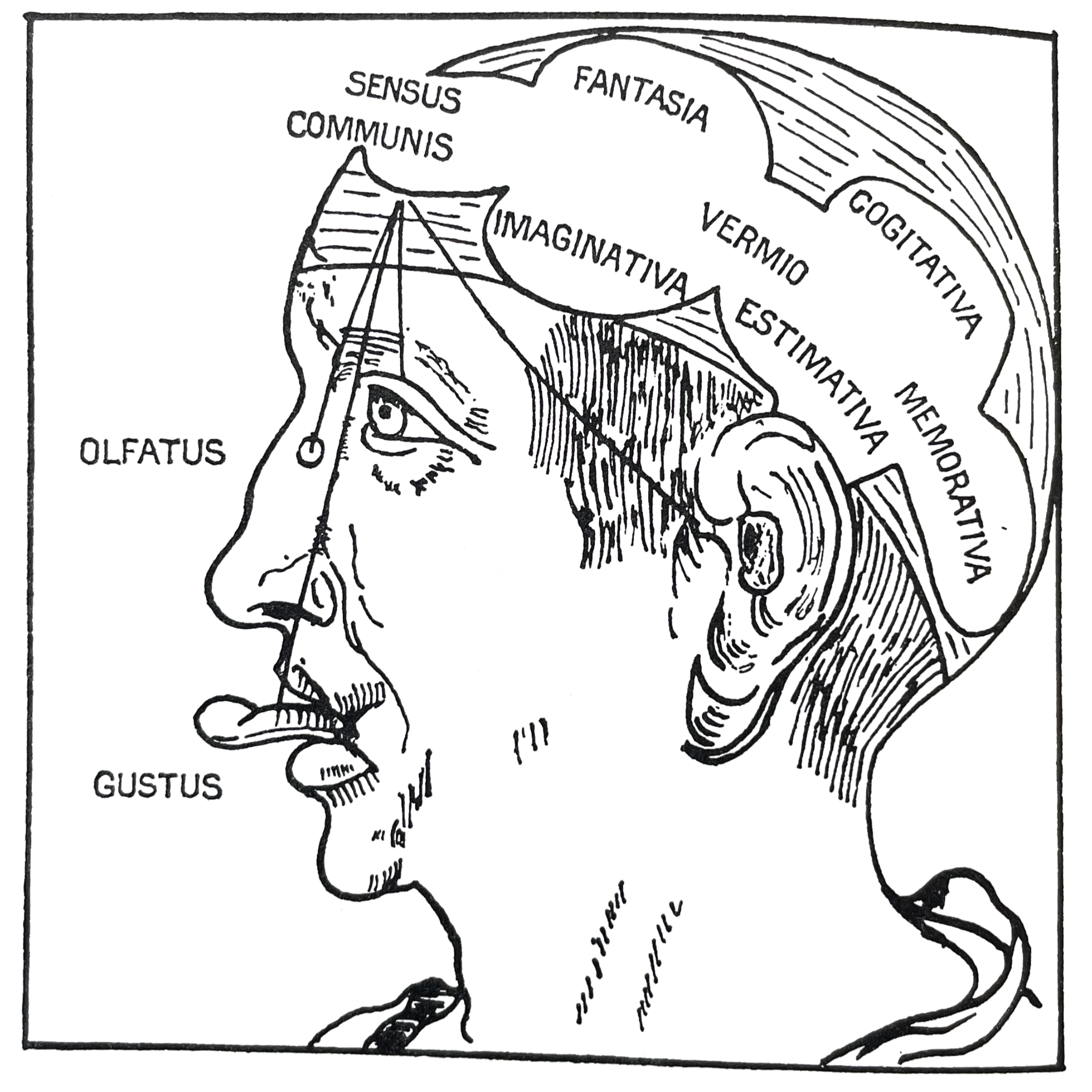
THE MEMORY THEATRE IS NOT A DEVICE FOR RECALL,
It is a structure for orientation.
To enter the theatre is to locate a state inside a field of possible action:
| CONFLICT (MARS) | DESIRE (VENUS) |
| JUDGMENT (JUPITER) | BEAUTY (DIANA) |
To move within the theatre is to transform that state according to its placement (loci).
PLACEMENT DETERMINES WHAT CAN FOLLOW.
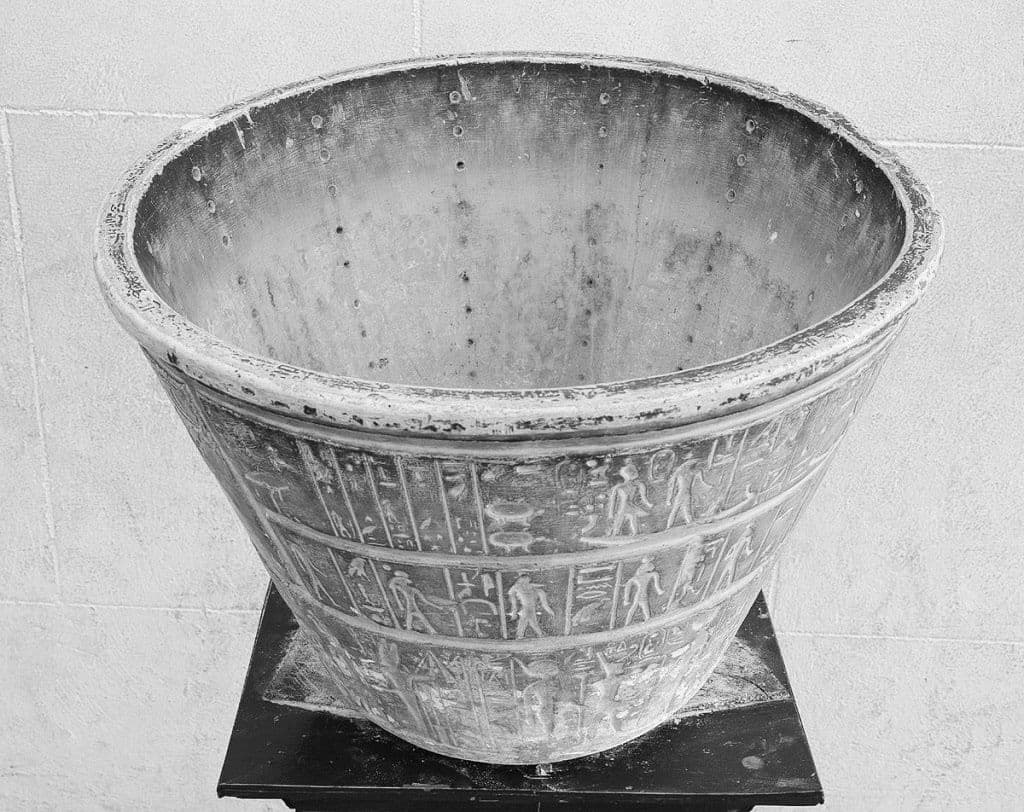
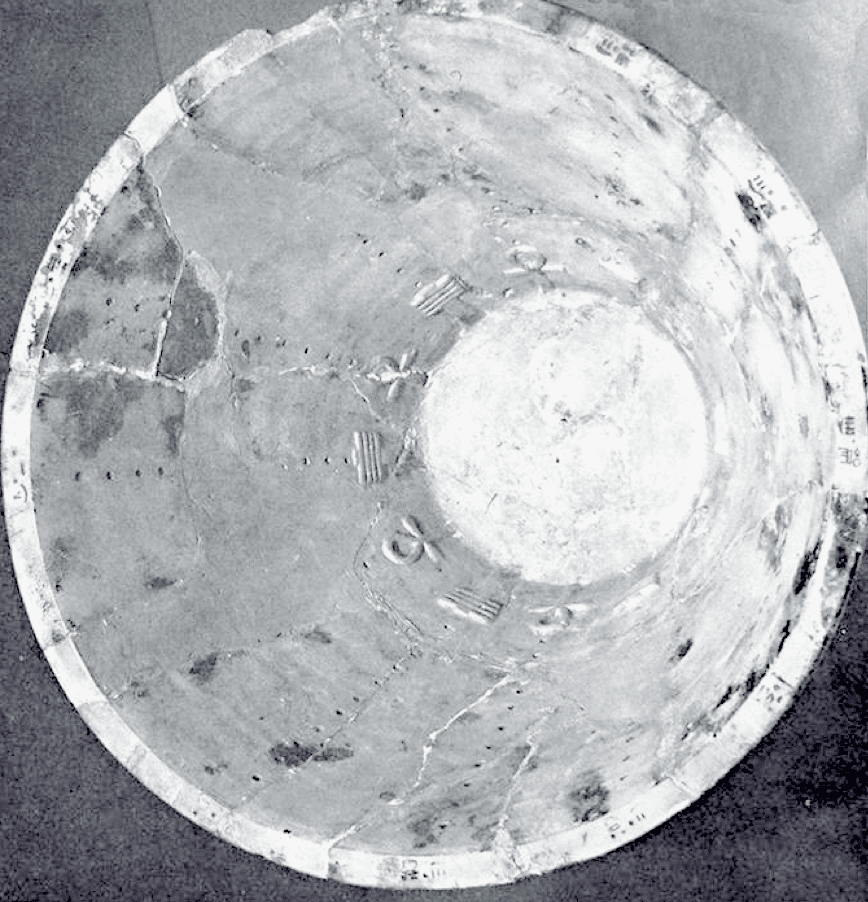
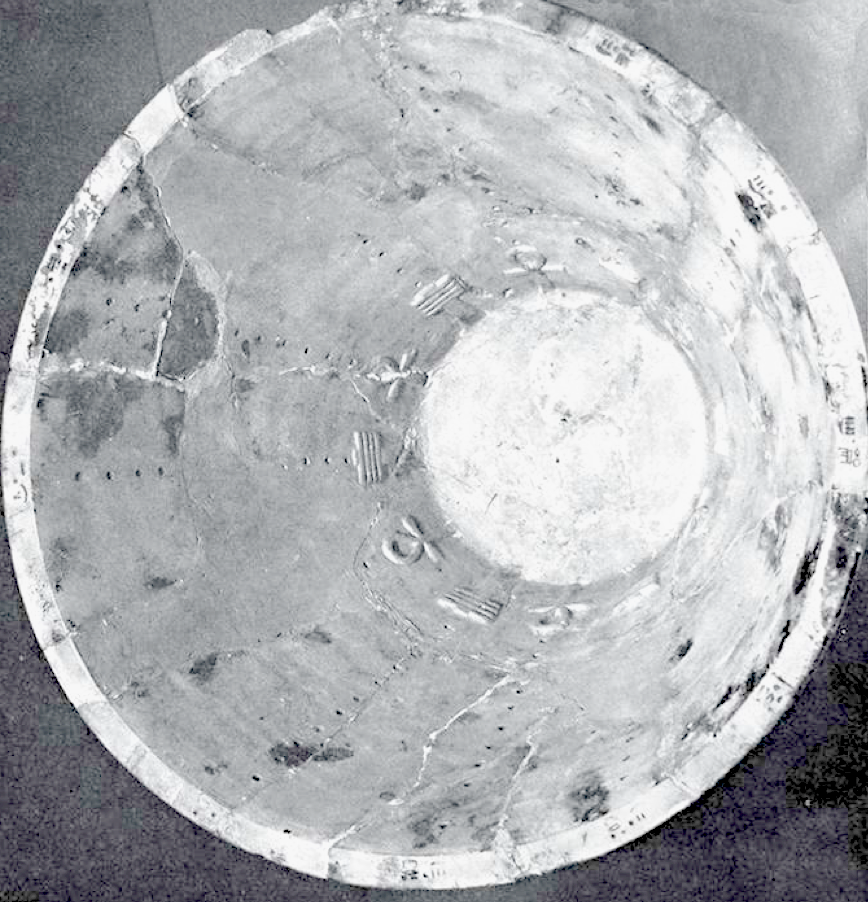
Clepsydra at Temple of Amen-Re at Karnak, (1417–1379 BC)
I have read, I believe in Mercurius Trismegistus, that in Egypt there were such excellent makers of statues that when they had brought some statue to the perfect proportions it was found to be animated with an angelic spirit: for such perfection could not be without a soul. Similar to such statues, I find a composition of words, the office of which is to hold all the words in a proportion grateful to the ear…Which words as soon as they are put into their proportion are found when pronounced to be as it were animated by a harmony.
Camillo, Discorsa in materia del suo Teatro, p.33 (1550)
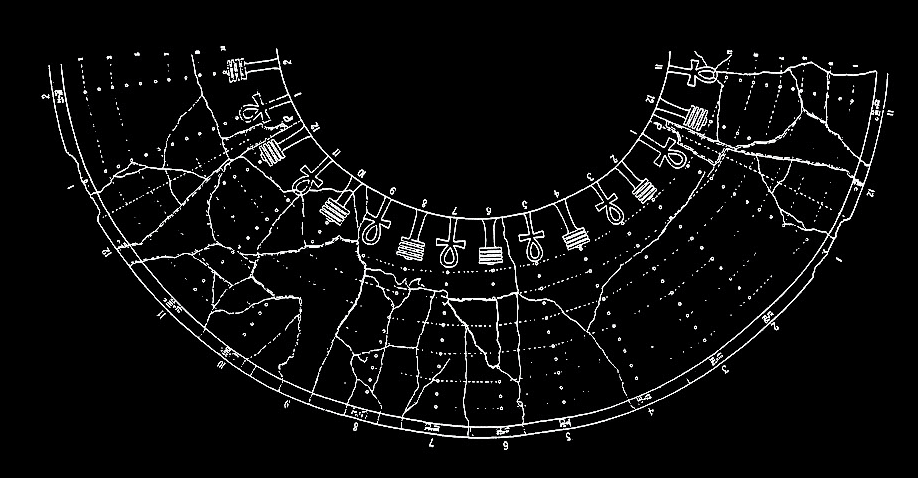
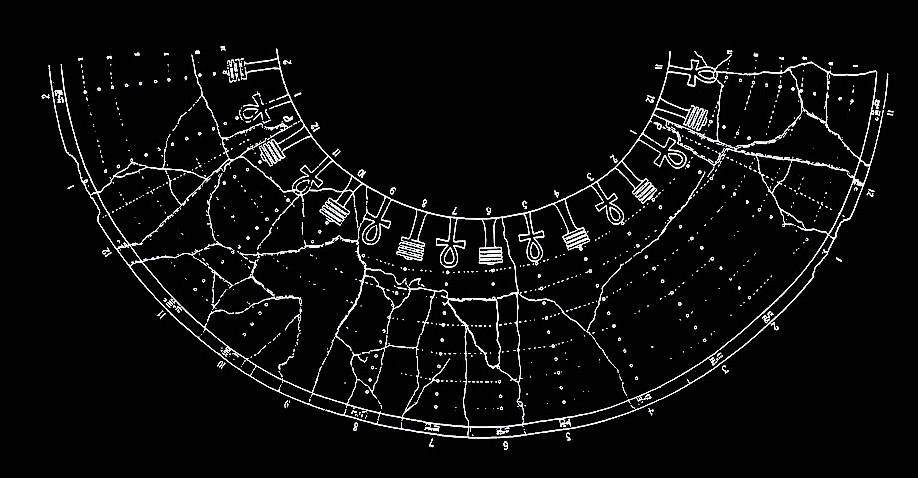
Borchardt, L'intérieur de la clepsydre de Karnak (1920)
THE CLEPSYDRA DOES NOT MEASURE TIME,
IT STAGES IT.
Filled and emptied,
it produces a sequence of states:
The observer generates a spoken description of his cognitive domain (which includes his interactions with and through instruments). Whatever description he makes, however, that description corresponds to a set of permitted states of relative activity in his nervous system embodying the relations given in his interactions. These permitted states of relative activity and those recursively generated by them are made possible by the anatomical and functional organization of the nervous system through its capacity to interact with its own states. The nervous system in turn has evolved as a system structurally and functionally subservient to the basic circularity of the living organization, and hence, embodies an inescapable logic: that logic which allows for a match between the organization of the living system and the interactions into which it can enter without losing its identity.
Maturana, Autopoiesis & Cognition, p.32 (1972)
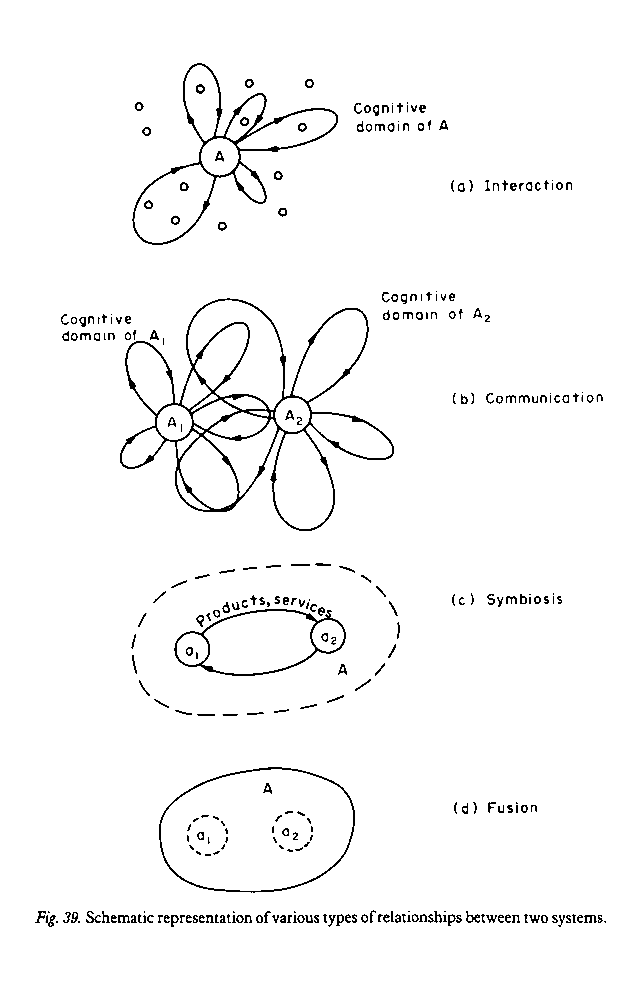
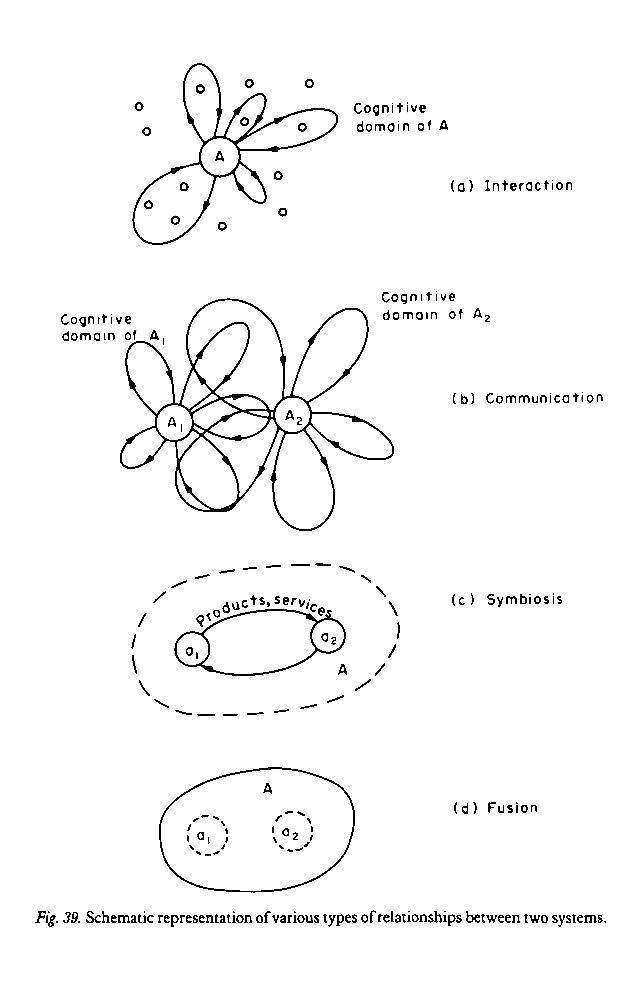
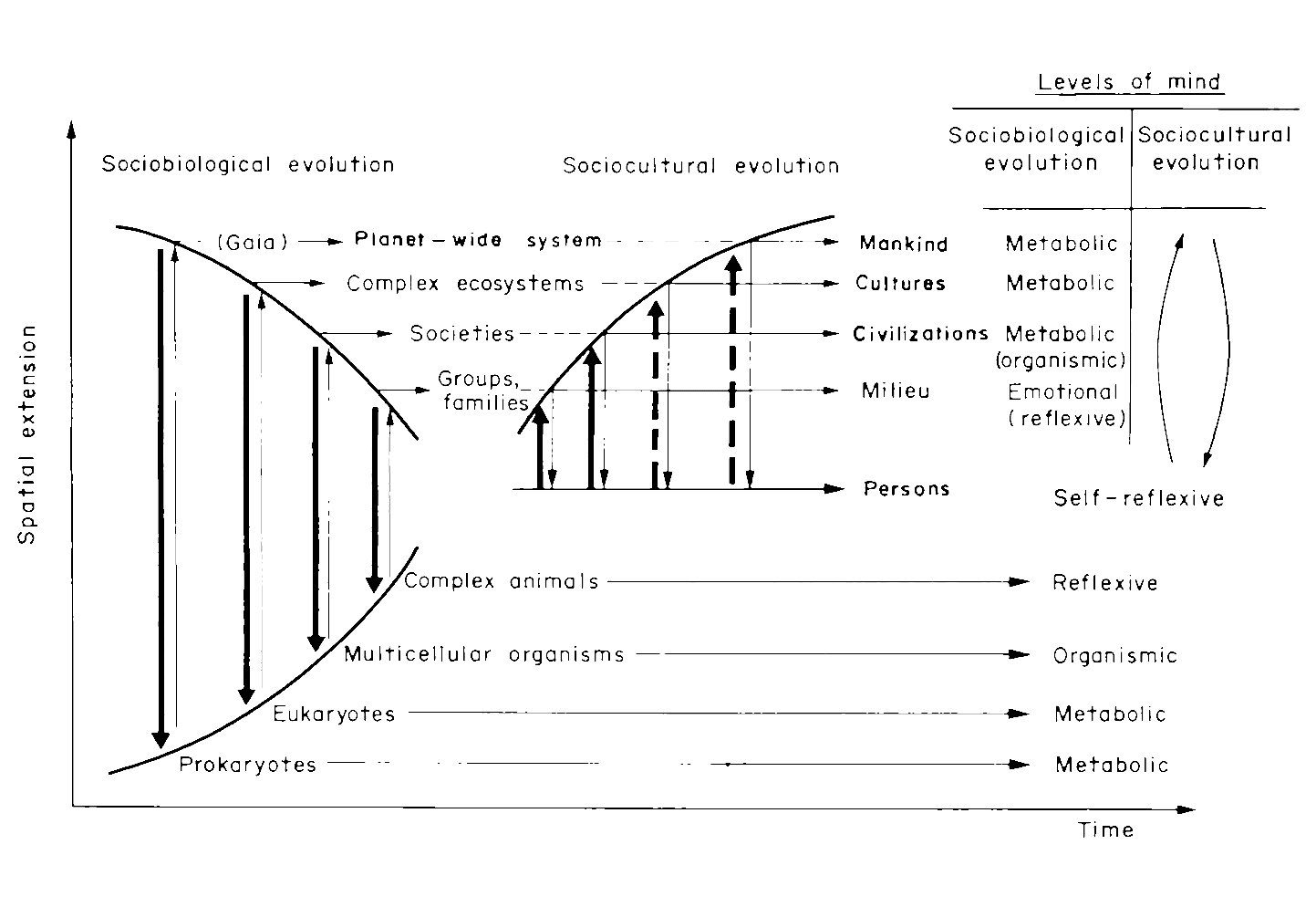
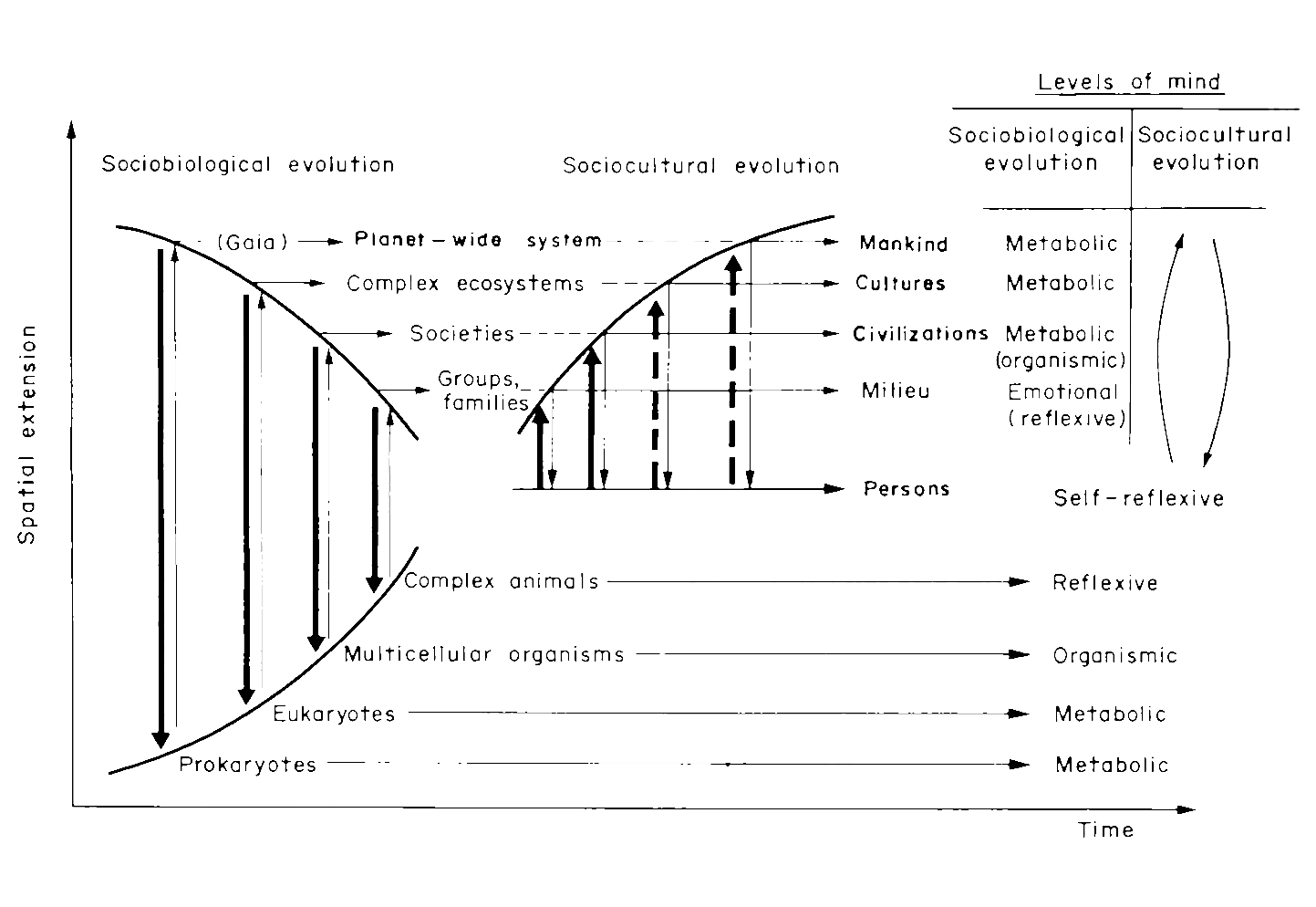
Jantsch, Self Organizing Universe p.204, p.175 (1980)
Relation scales,
We can say that every internal interaction changes us because it modifies our internal state, changing our posture or perspective (as a functional state) from which we enter into a new interaction. As a result new relations are necessarily created in each interaction and, embodied in new states of activity, we interact with them in a process that repeats itself as a historical and unlimited transformation.
Varela & Maturana, Autopoiesis & Cognition, p.39 (1972)
domain stabilizes,
The basic function of language as a system of orienting behavior is not the transmission of information or the description of an independent universe about which we can talk, but the creation of a consensual domain of behavior between linguistically interacting systems through the development of a cooperative domain of interactions.
Varela & Maturana, Autopoiesis & Cognition, p.50 (1972)
Action requires form.
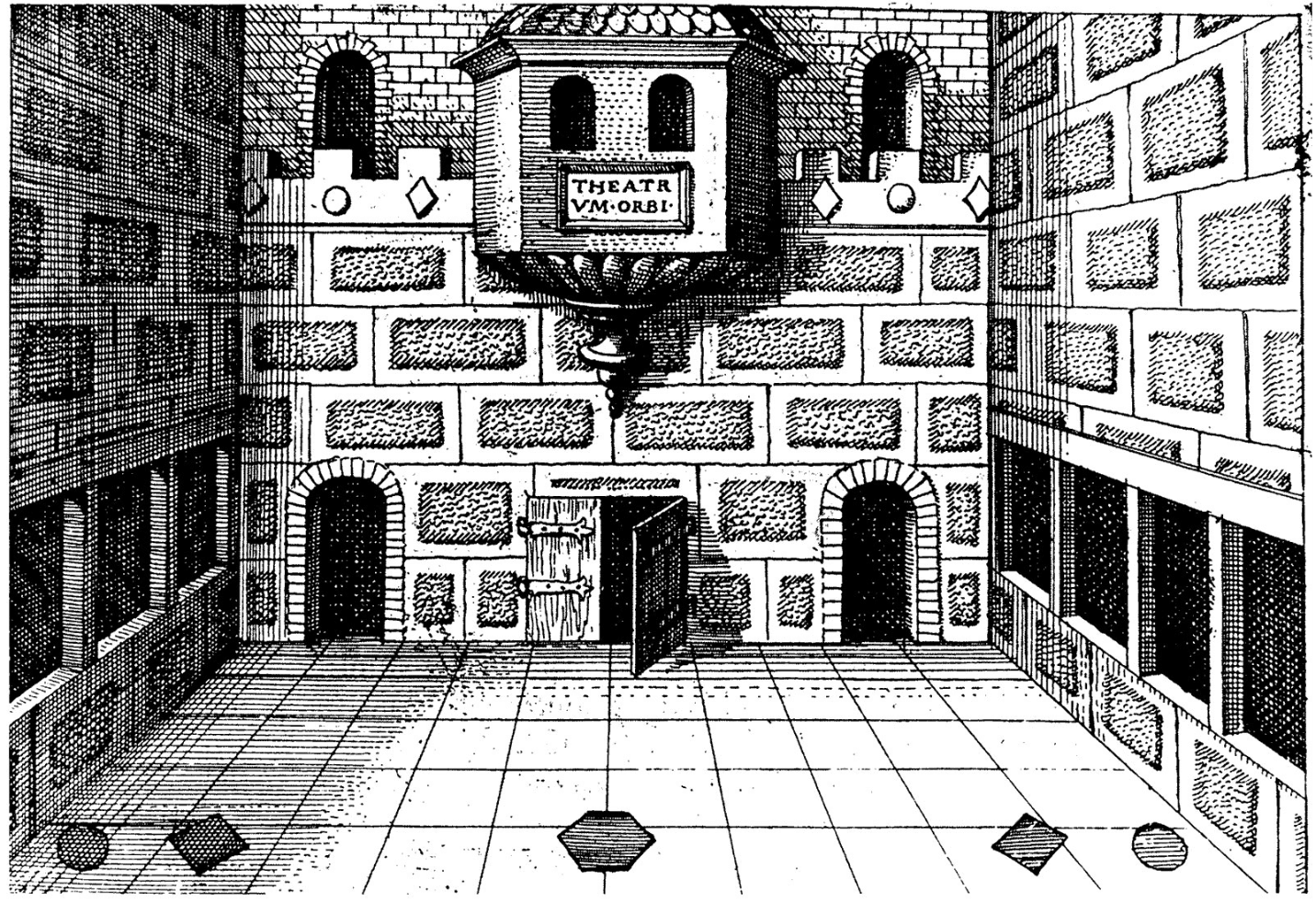
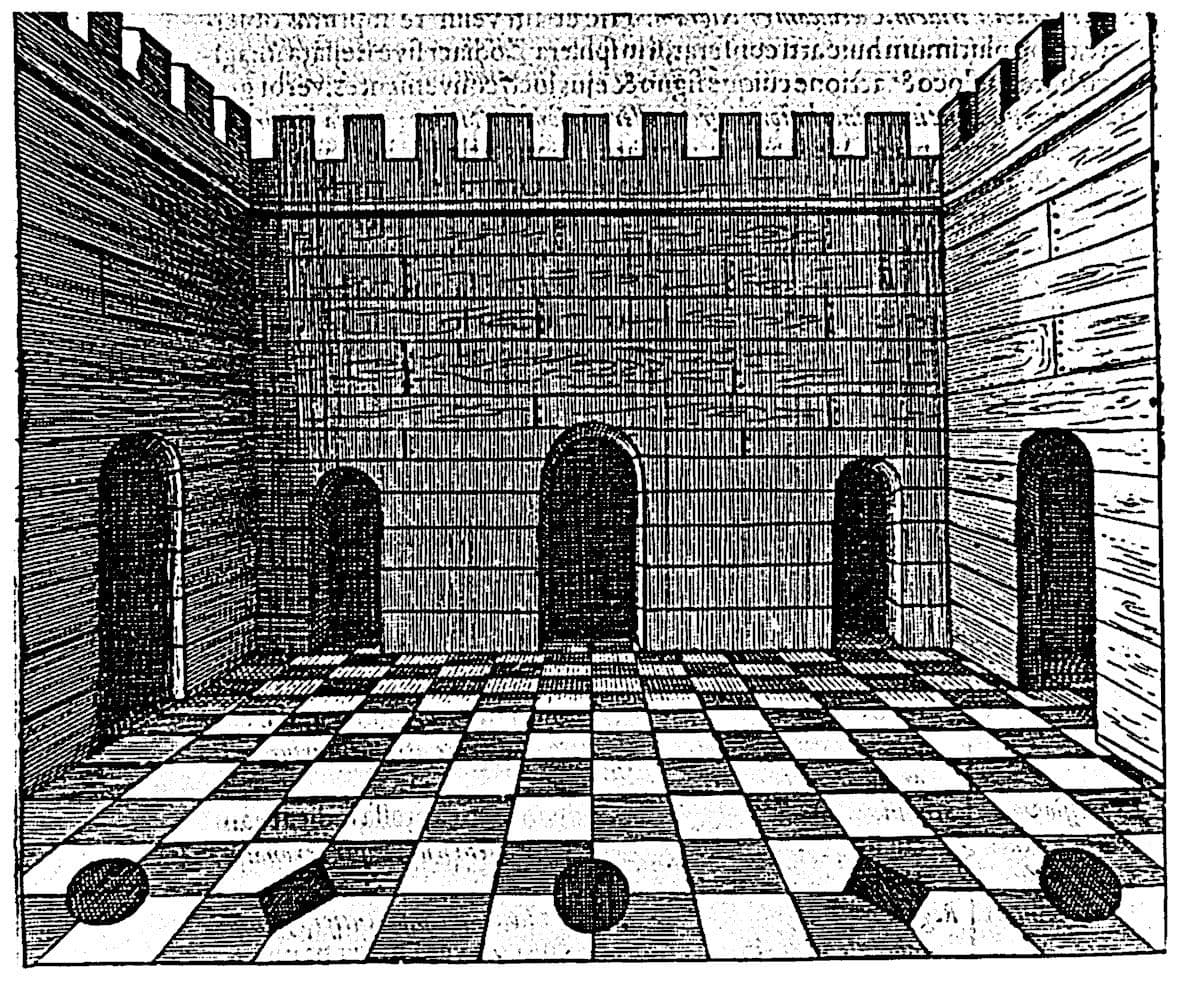
Fludd, Utriusque Cosmi…Historia, p.55, p.64 (1617)
Camillo’s Theatre is in many ways analogous to Fludd’s Theatre system. There is in both cases a distortion of a ‘real’ theatre for the purposes of a Hermetic memory system. Camillo distorts the Vitruvian theatre by transferring the practice of decorating with imagery the five entrances to its stage to the seven times seven imaginary gates which he erects in the auditorium. Fludd stands with his back to the auditorium and looking towards the stage, loading with imaginary imagery its five doors, used as memory loci, and distorting the stage for his mnemonic purposes by crushing it into a memory room. In both cases there is a distortion of a real theatre, though the distortions are of a different kind.
Yates, The Art of Memory p.367 (1966)
To name a thing is to place it.
To recall it is to return it to position.
THE FORM IS CONTINGENT; ITS POSTURE INVARIANT.
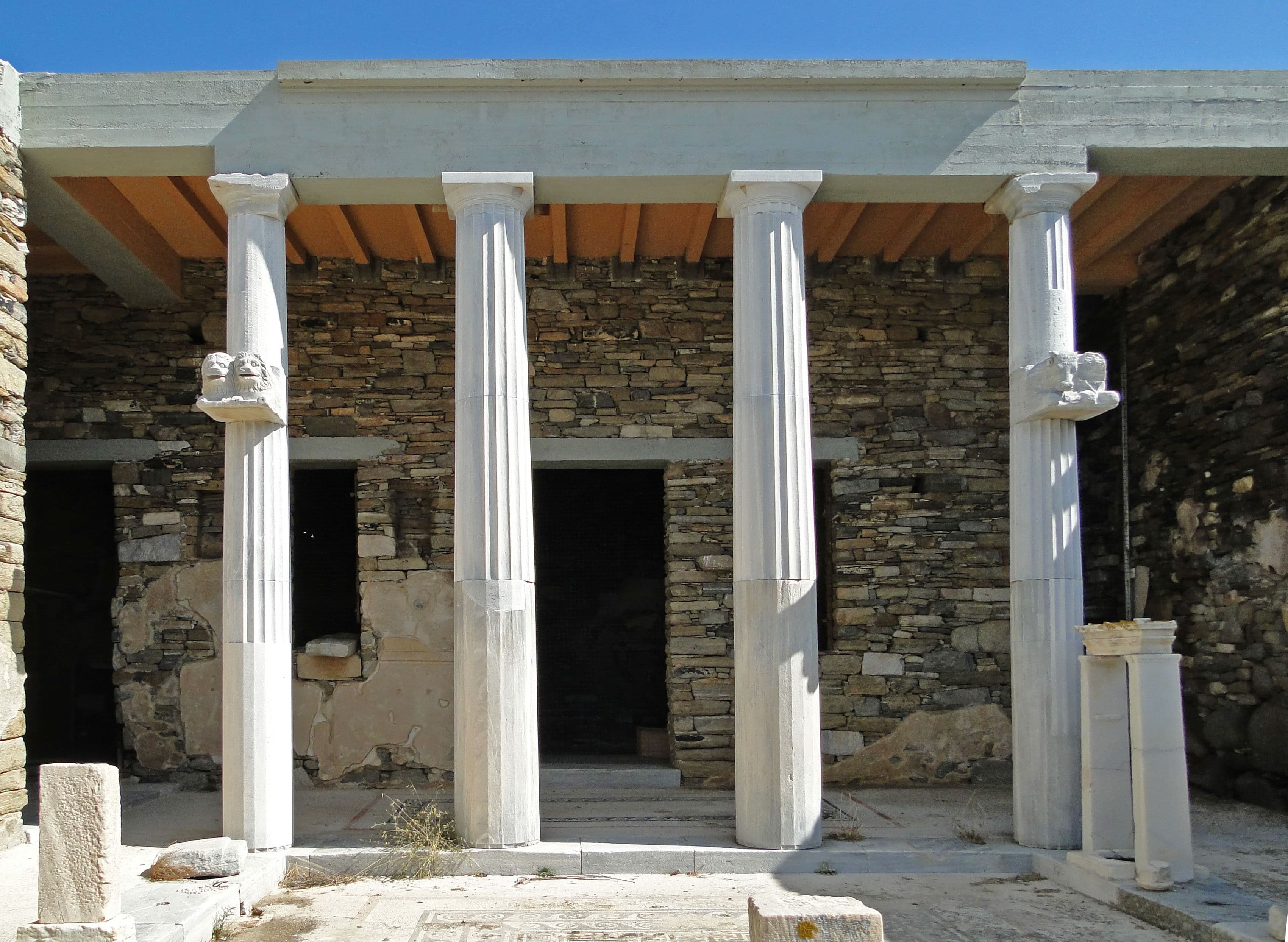
House of The Trident, Delos
ECONOMY
n. < Gk. oikos (house) + nomos (rule, law)
Management of a household, administration of an estate, including the family, farm animals, crops and slaves.
Step inside.
- The chair is where you expect it.
- The light switch is where your hand reaches.
Before you see it.
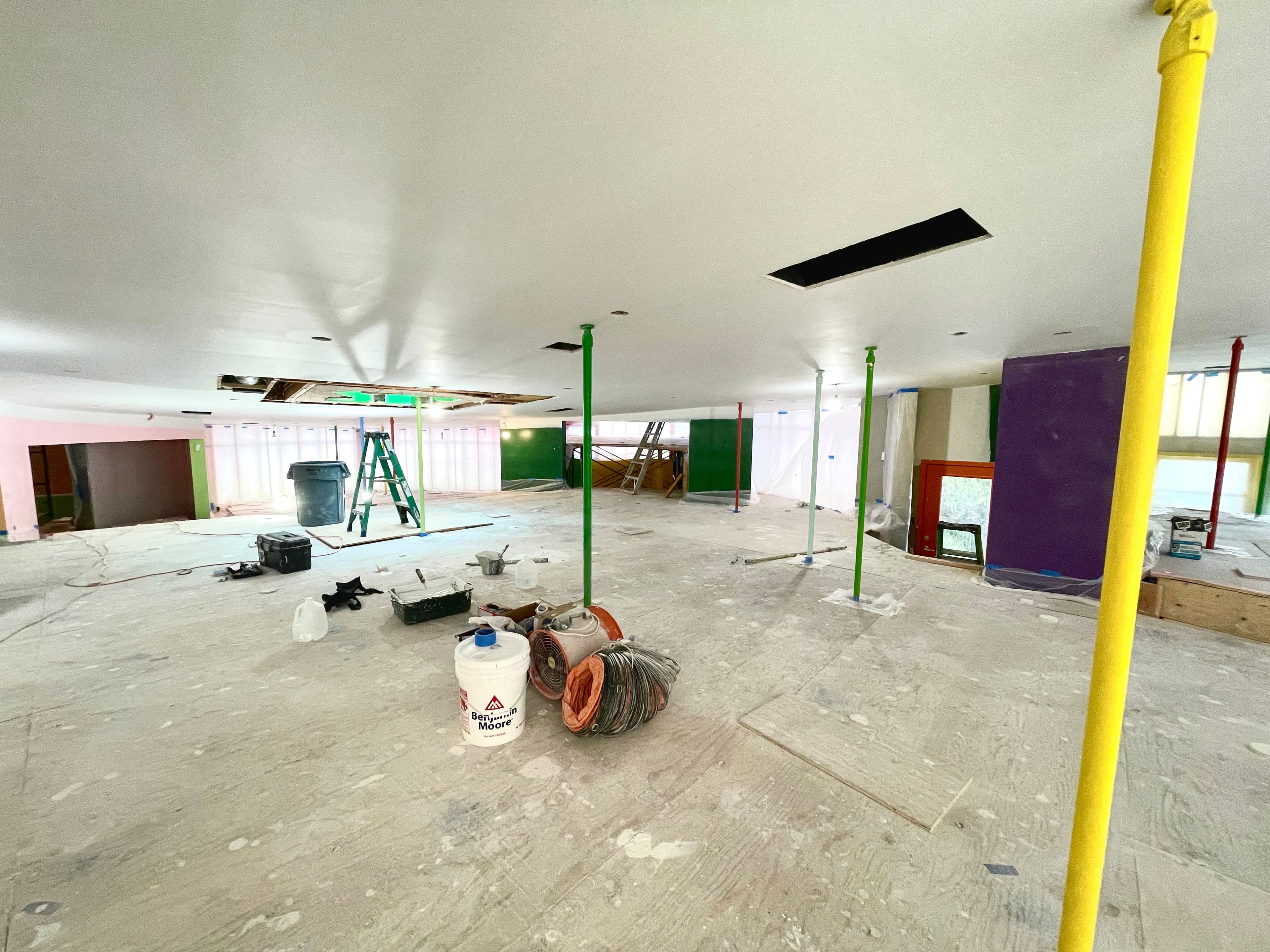
Arakawa+Gins, Bioscleave House (Lifespan Extending Villa), interior, 2008, residence, 2,700 sq. ft. (255 m2), East Hampton, NY, USA. © 2008 Reversible Destiny Foundation. Reproduced with permission of the Reversible Destiny Foundation
The house organizes its own behavior;
It is learned by way of things.


What the house teaches through use,
the theatre formalizes through placement.
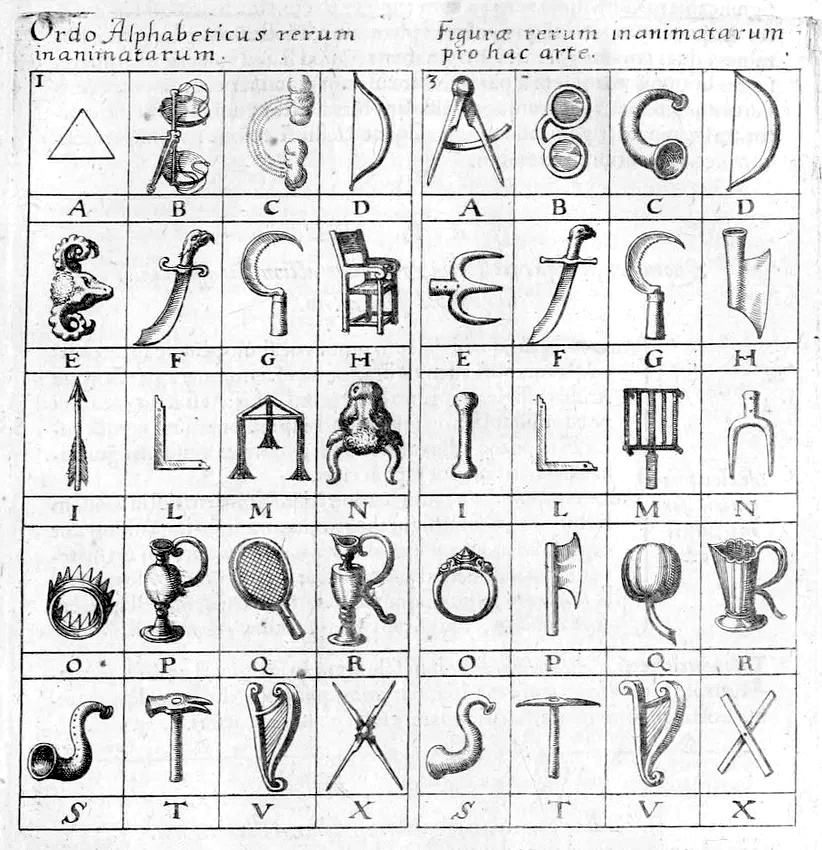
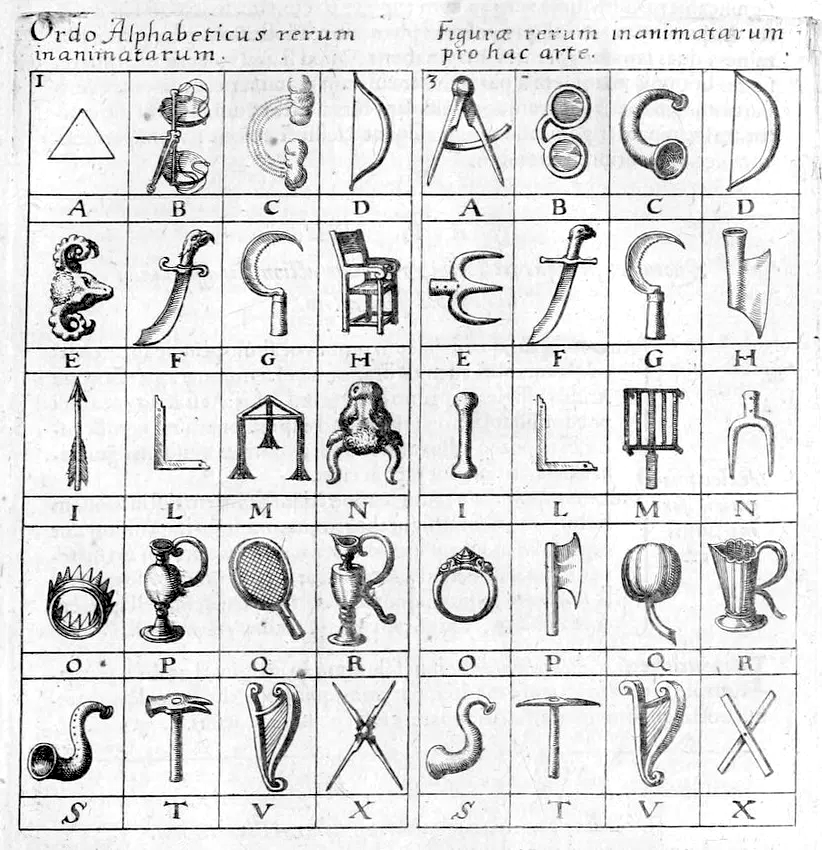
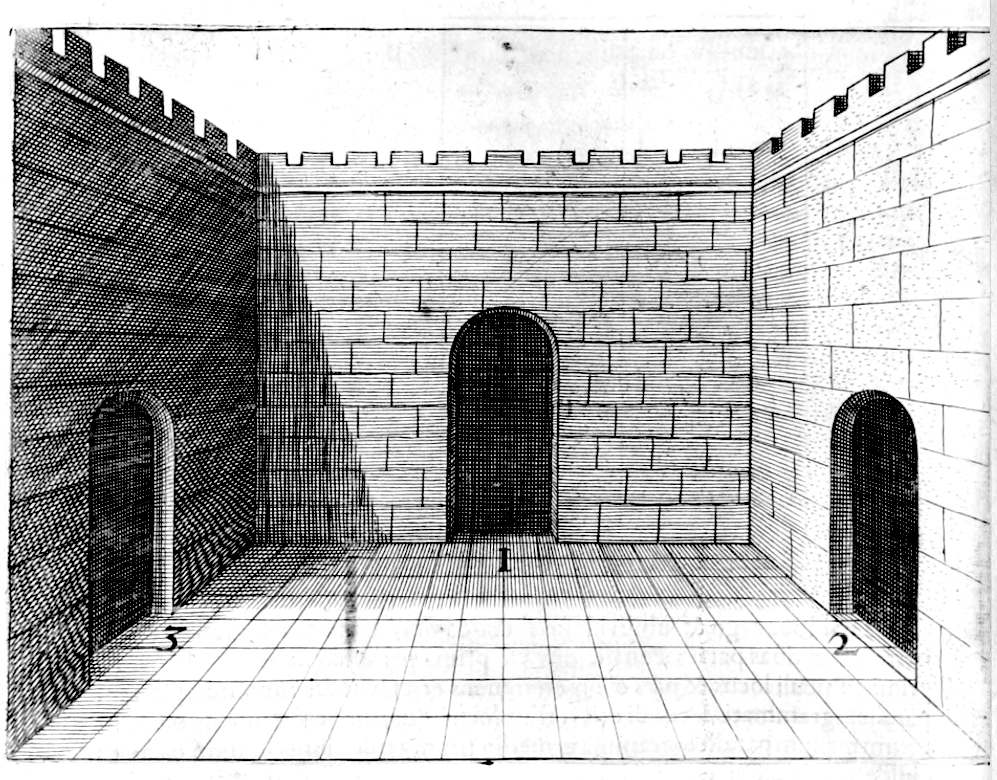
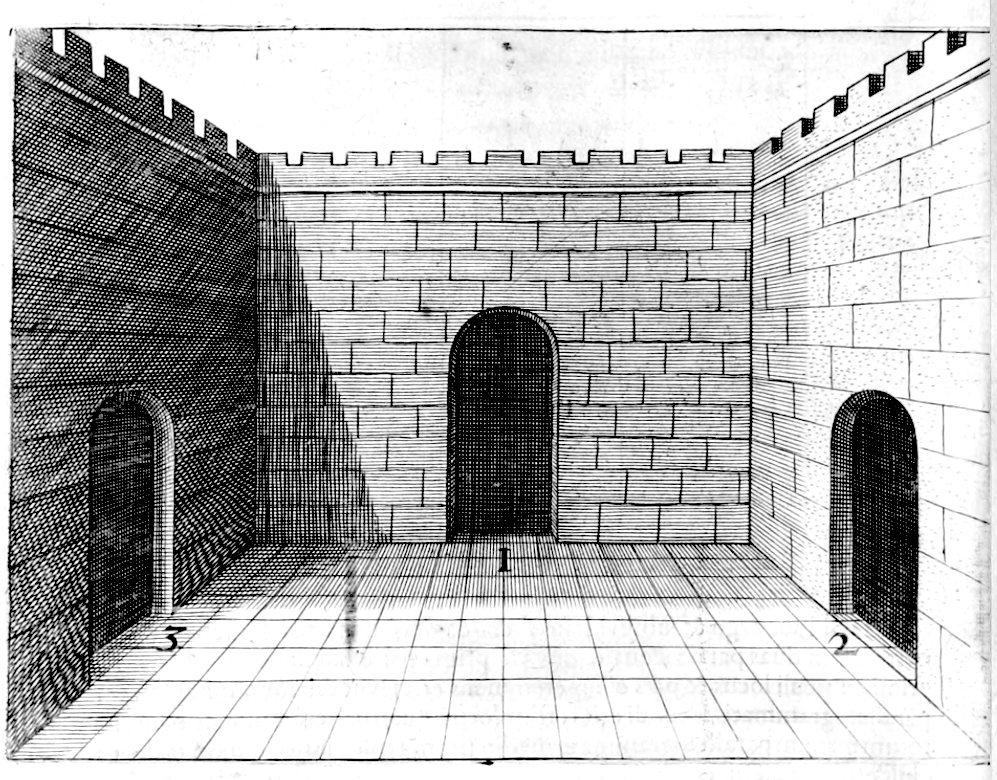
Fludd, Utriusque Cosmi…Historia, p.61, p.58 (1617)
Fludd is going to use this theatre as a memory place system for memory for words and memory for things. But the theatre itself is like ‘a public theatre in which comedies and tragedies are acted.’ Those great wooden theaters in which the works of Shakespeare and others were played were technically known as ‘public theaters’. In view of Fludd’s strong convictions about the undesirability of using ‘fictitious places’ in memory, can we assume that this is a real stage in a public theatre which he is showing us?
Frances A. Yates, The Art of Memory p.331 (1966)


'The Kardashians' S7 (2025)
Once the theatre becomes public,
placement no longer serves memory alone,
Meaning can be defined as a medium that is generated by a surplus of indications of other options.
Luhmann, Risk, p.17 (1991)
it stages it.




'Selling Sunset' S4 (2021)
What moves between observers is not substance alone,
| ASPIRATION | KINSHIP | RITUAL |
| CONSUMPTION | INTIMACY | CONFLICT |
but the conditions under which it will be received.
Once something is framed in crust, it seems worthy of framing.
Adler, An Everlasting Meal, p.84 (2011)
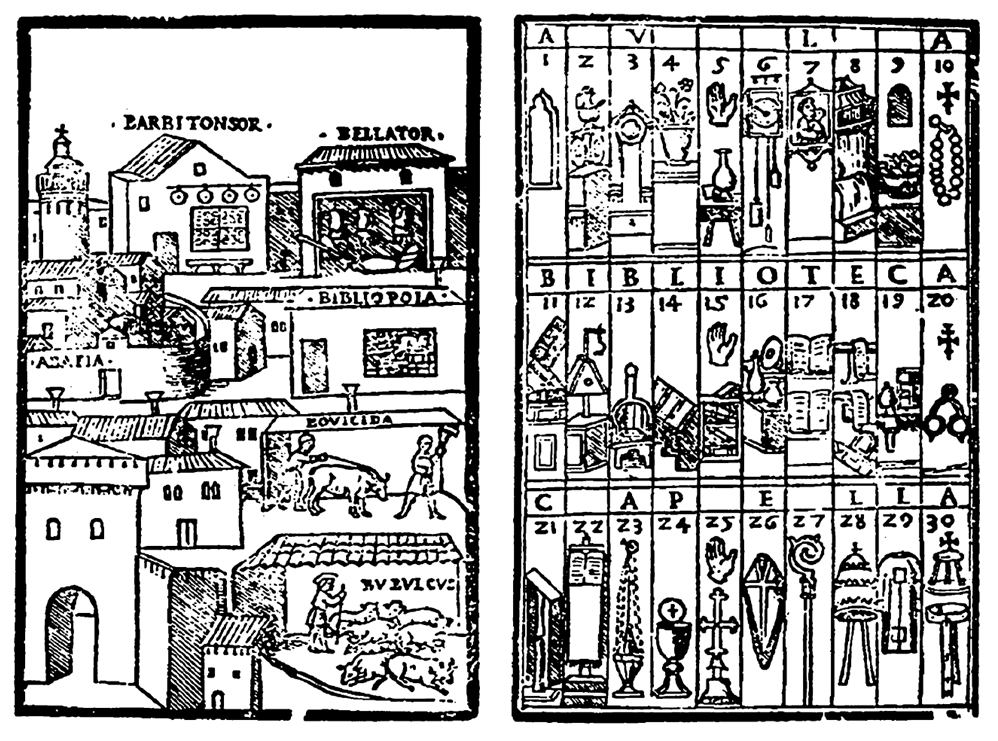
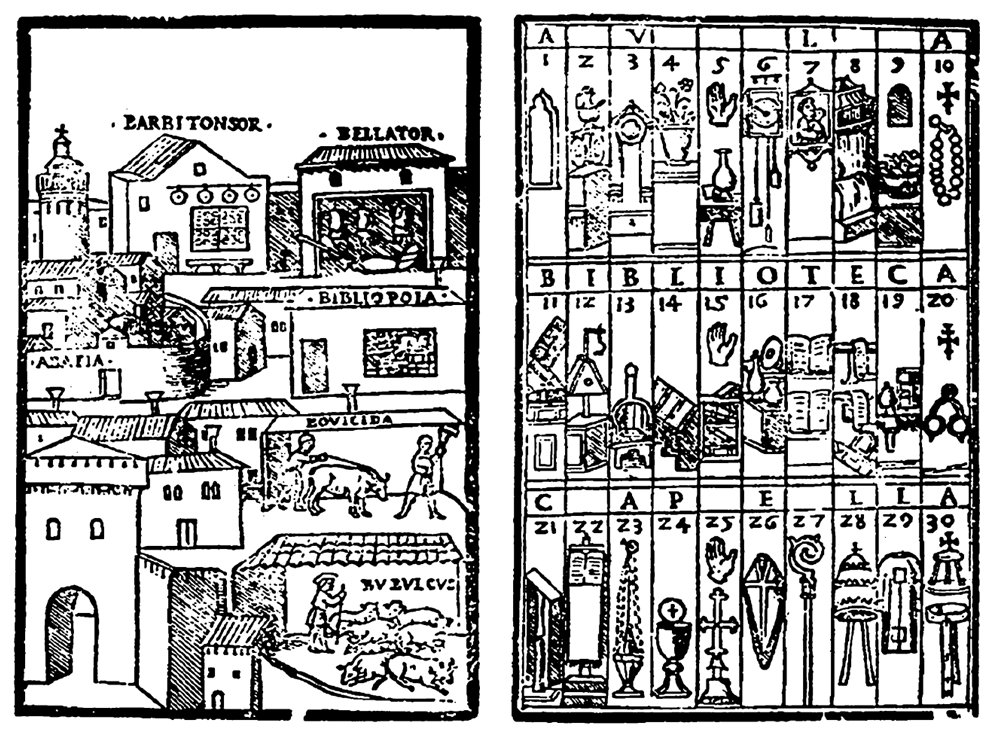
Romberch, Congestorium artificiose memoriae, p.12, p.36-37 (1533)
Taste begins in the mouth; it does not argue.
Form operates inside this domain.
Indeed, for many things we use the letters of the alphabet with vowels and consonants, from which an almost innumerable number of names of places can be made. And from these names we can establish for ourselves other places, fictive ones, or else receive them from the strange compositions of letters mentioned above.
Romberch, Congestorium artificiose memoriae, p.33 (1533)

FORM ORDERS A WORLD
By imprinting on memory the images of the ‘superior agents’, we shall know the things below from above; the lower things will arrange themselves in memory once we have arranged there the images of the higher things, which contain the reality of the lower things in a higher form…
Yates, The Art of Memory, p.216 (1966)
Brand, The Clock of the Long Now (1999)
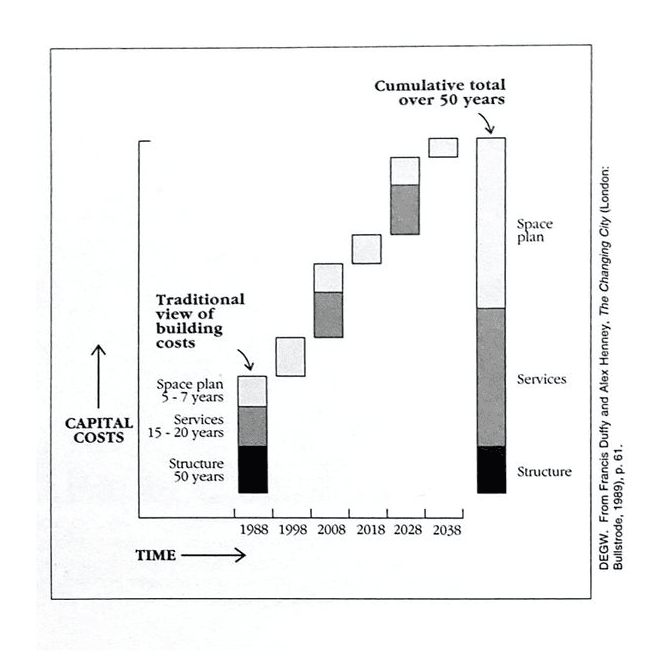
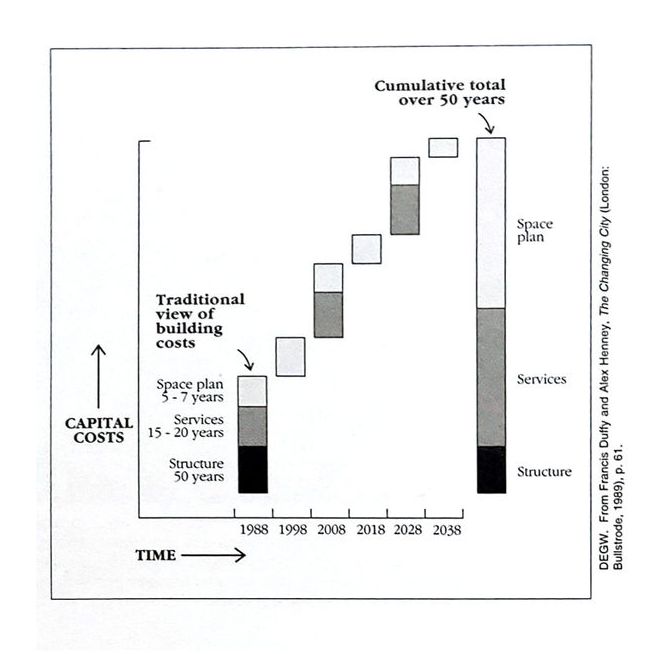
Systems do not move at one speed.
Fast learns, slow remembers. Fast proposes, slow disposes. Fast is discontinuous, slow is continuous. Fast and small instructs slow and big by accrued innovation and by occasional revolution. Slow and big controls small and fast by constraint and constancy. Fast gets all our attention, slow has all the power.
Brand, Pace Layering, 2018
What changes slowly absorbs what changes quickly.
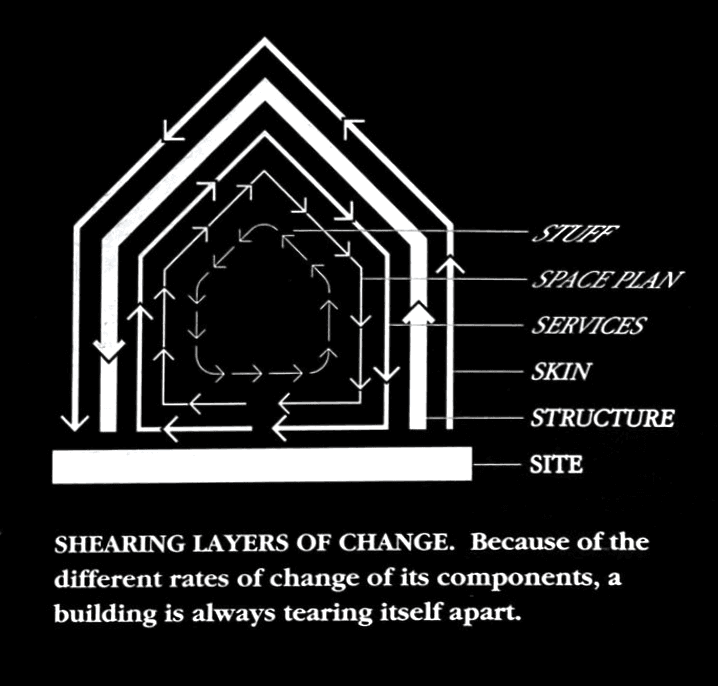
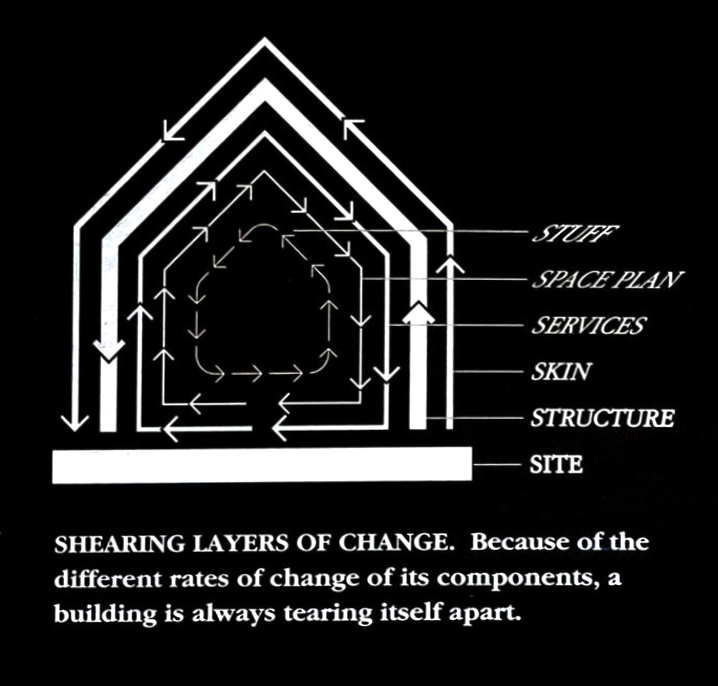
Shearing produces pressure.
Temporary is permanent, and permanent is temporary. Grand, final-solution buildings obsolesce and have to be torn down because they were too overspecified to their original purpose to adapt easily to anything else. Temporary buildings are thrown up quickly and roughly to house temporary projects. Those projects move on soon enough, but they are immediately supplanted by other temporary projects―of which, it turns out, there is an endless supply.
Brand, How Buildings Learn, p.28 (1995)
Pressure routes.
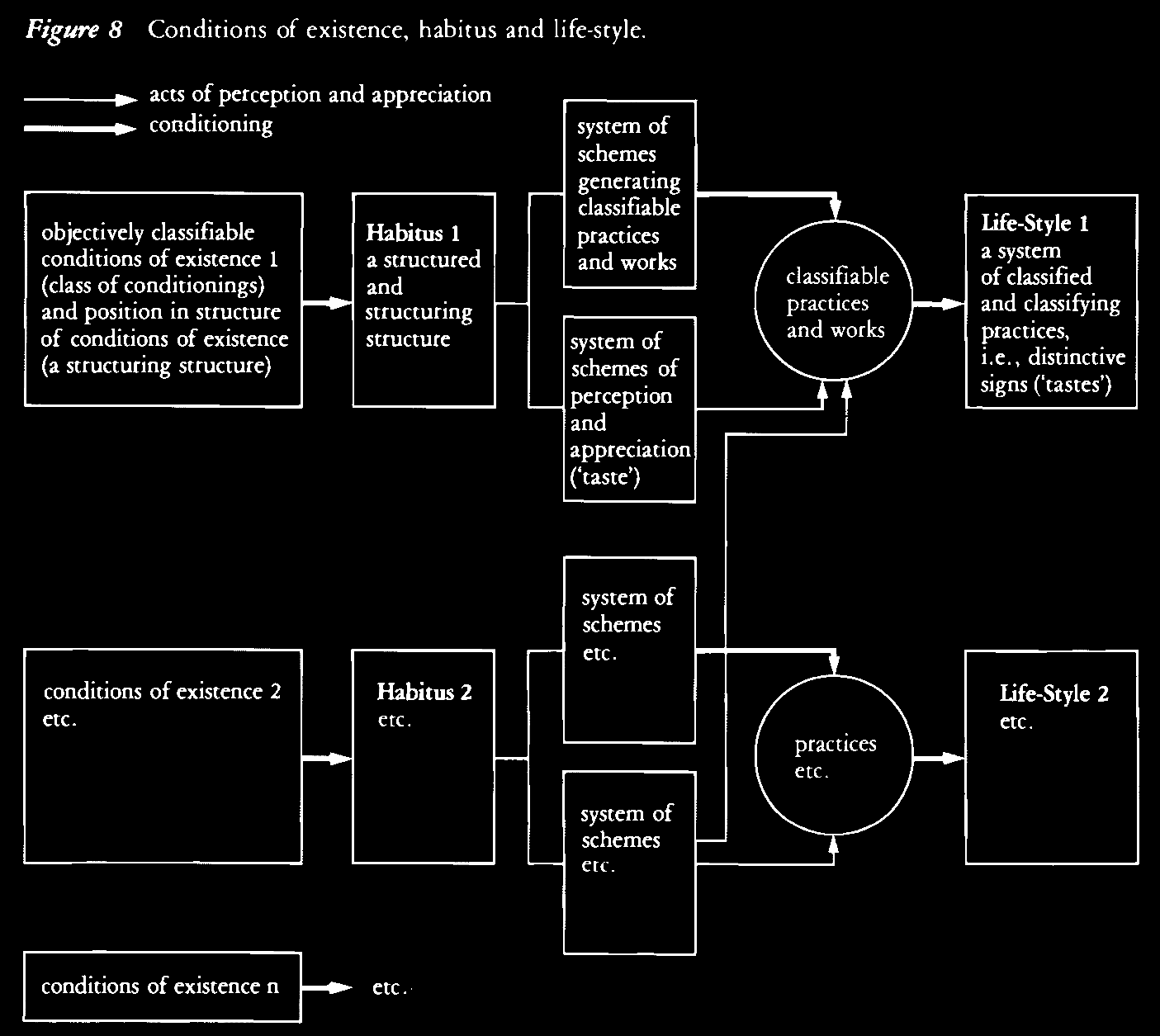
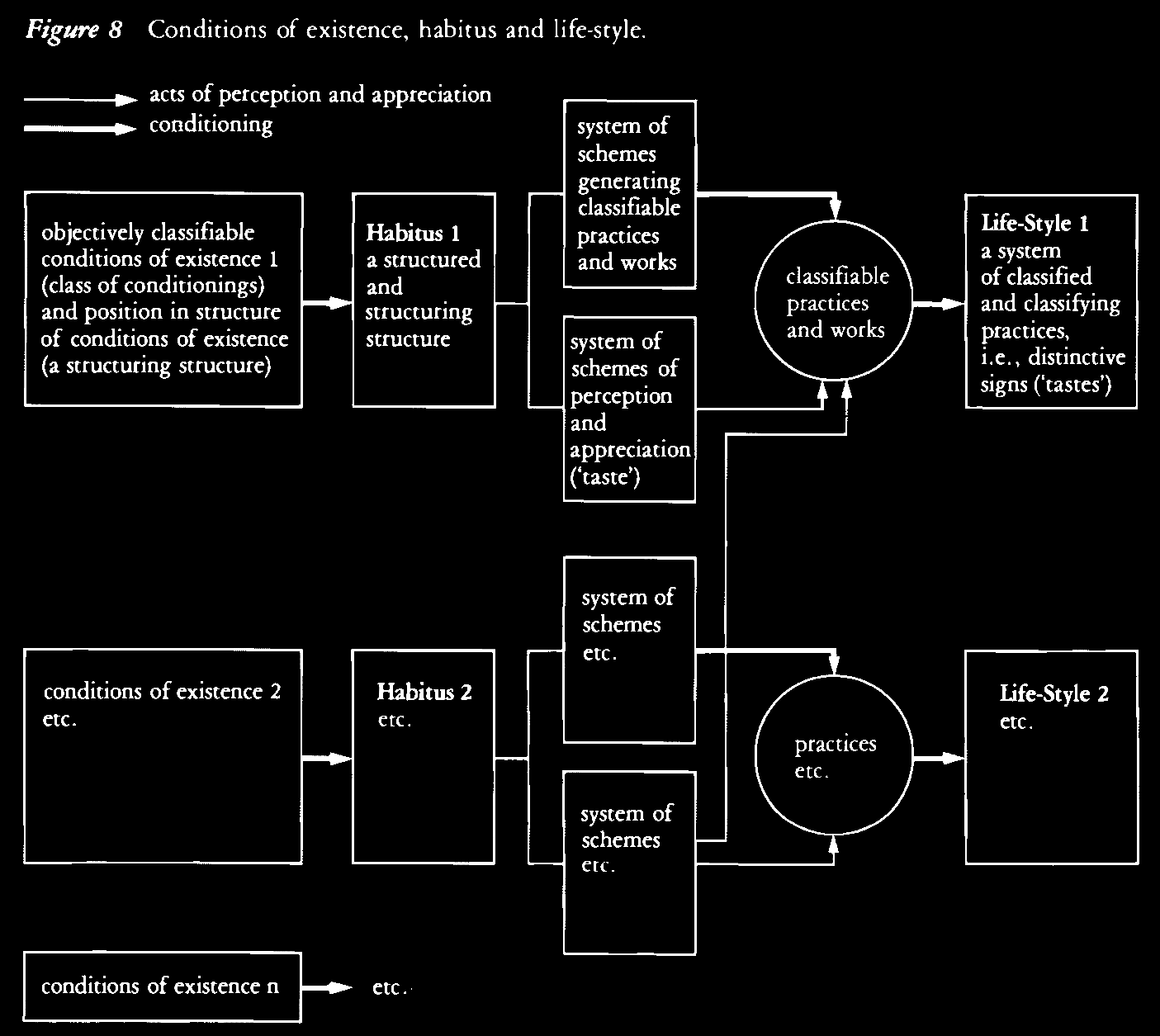
Bourdieu, Distinction, p.171 (1984)
Circulation rehearses,
…the habitus is constructed as the generative formula which makes it possible to account both for the classifiable practices and products and for the judgements, themselves classified, which make these practices and works into a system of distinctive signs.
Bourdieu, Distinction, p.170 (1984)
habitus laminates.
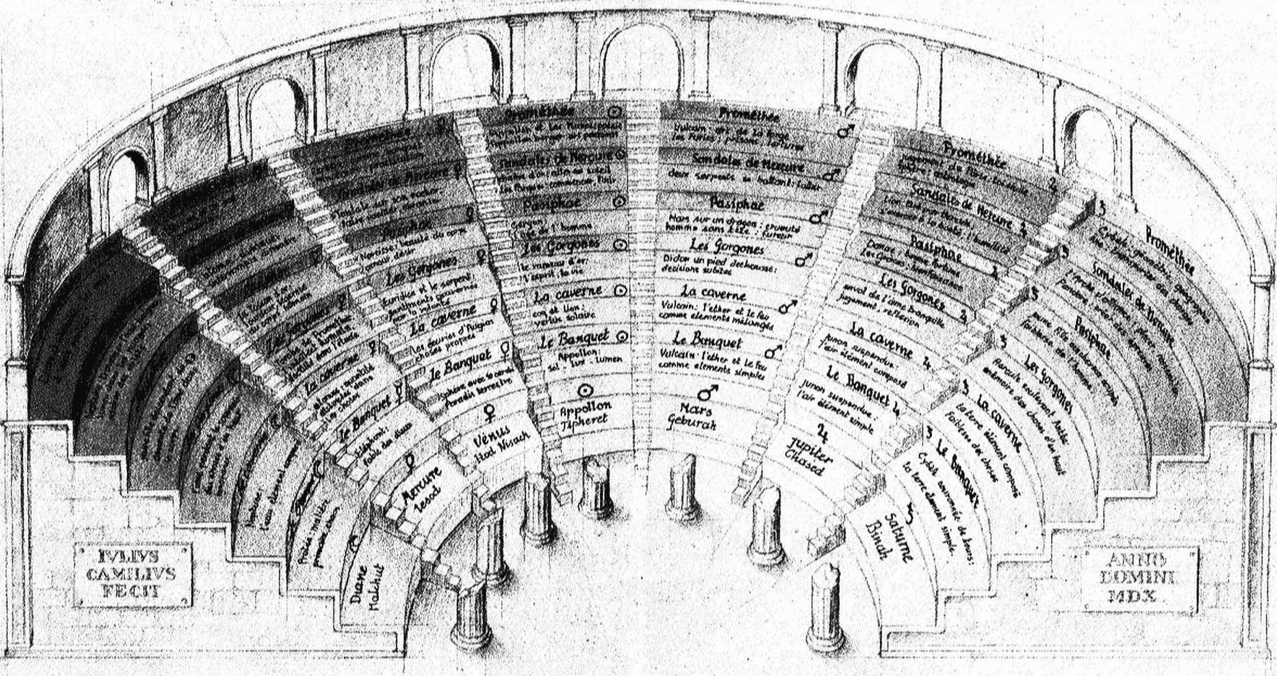
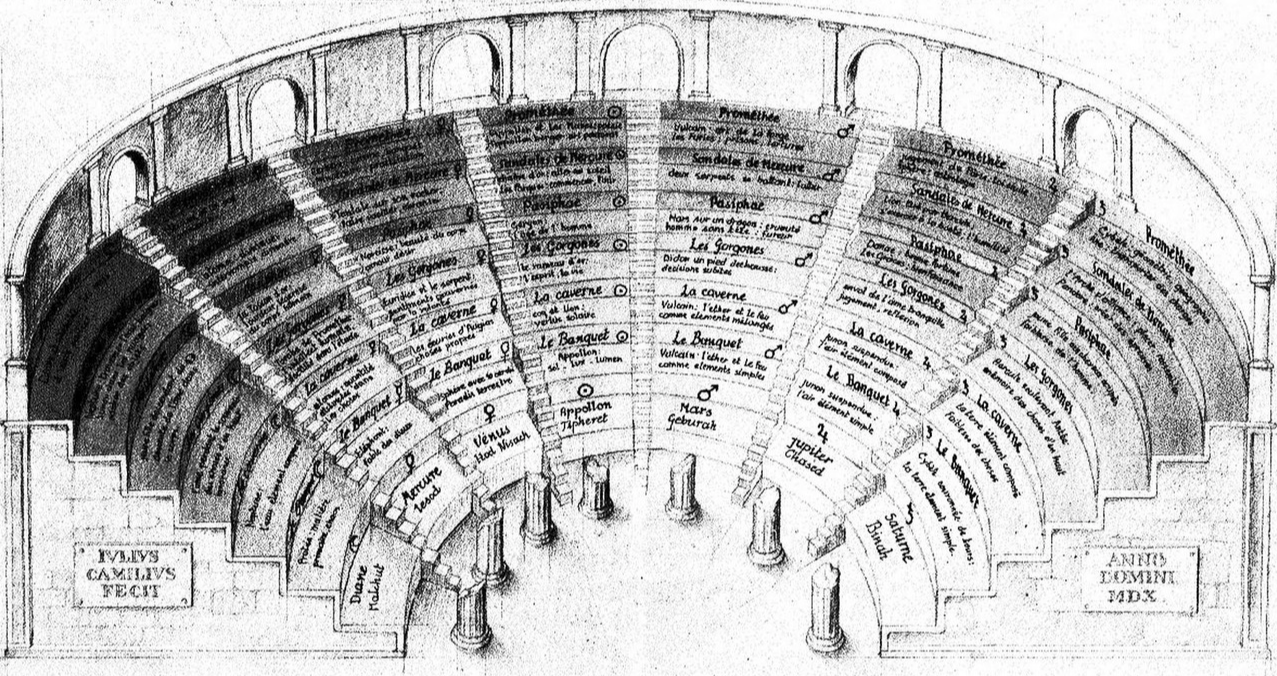
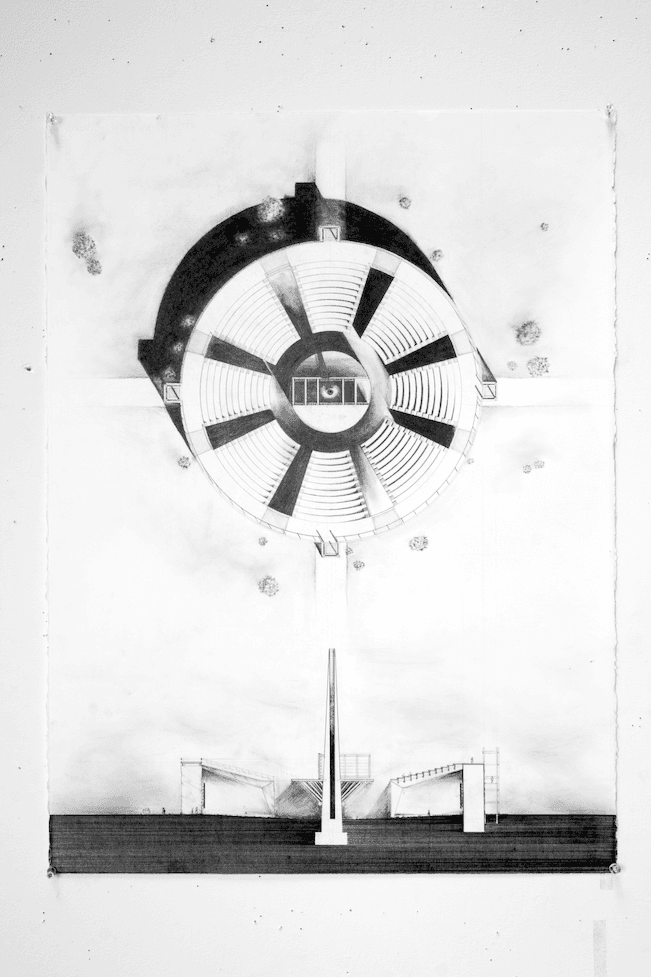
A rendering by an unidentified artist of Camillo's memory theater
What cannot be held through sequence,
I forgot myself at the Ice Carnival the other night. I was so absorbed in looking at it that I forgot what time it was and who and where I was. When I suddenly realized I hadn't been thinking about myself I was frightened to death. The unreality feeling came. I must never forget myself for a single minute. I watch the clock and keep busy, or else I won't know who I am.
Dooley, The Concept of Time in Defense of Ego Integrity, p.17 (1941)
is secured by position.
A further factor is the discontinuity in the temporal self. When there is uncertainty of identity in time, there is a tendency to rely on spatial means of identifying oneself. Perhaps this goes some way to account for the frequently pre-eminent importance to the person of being seen. However, sometimes the greatest reliance may be placed on the awareness of oneself in time…This is especially so when time is experienced as a succession of moments.
Laing, The Divided Self, p.109 (1960)
Repeatable positions,
…But I who am bound by my mirror
as well as my bed
see causes in color
as well as sex
and sit here wondering which me will survive
all these liberations.
Audre Lorde, Who Said it Was Simple (1973)
POSITIONS ONE CAN RETURN TO.
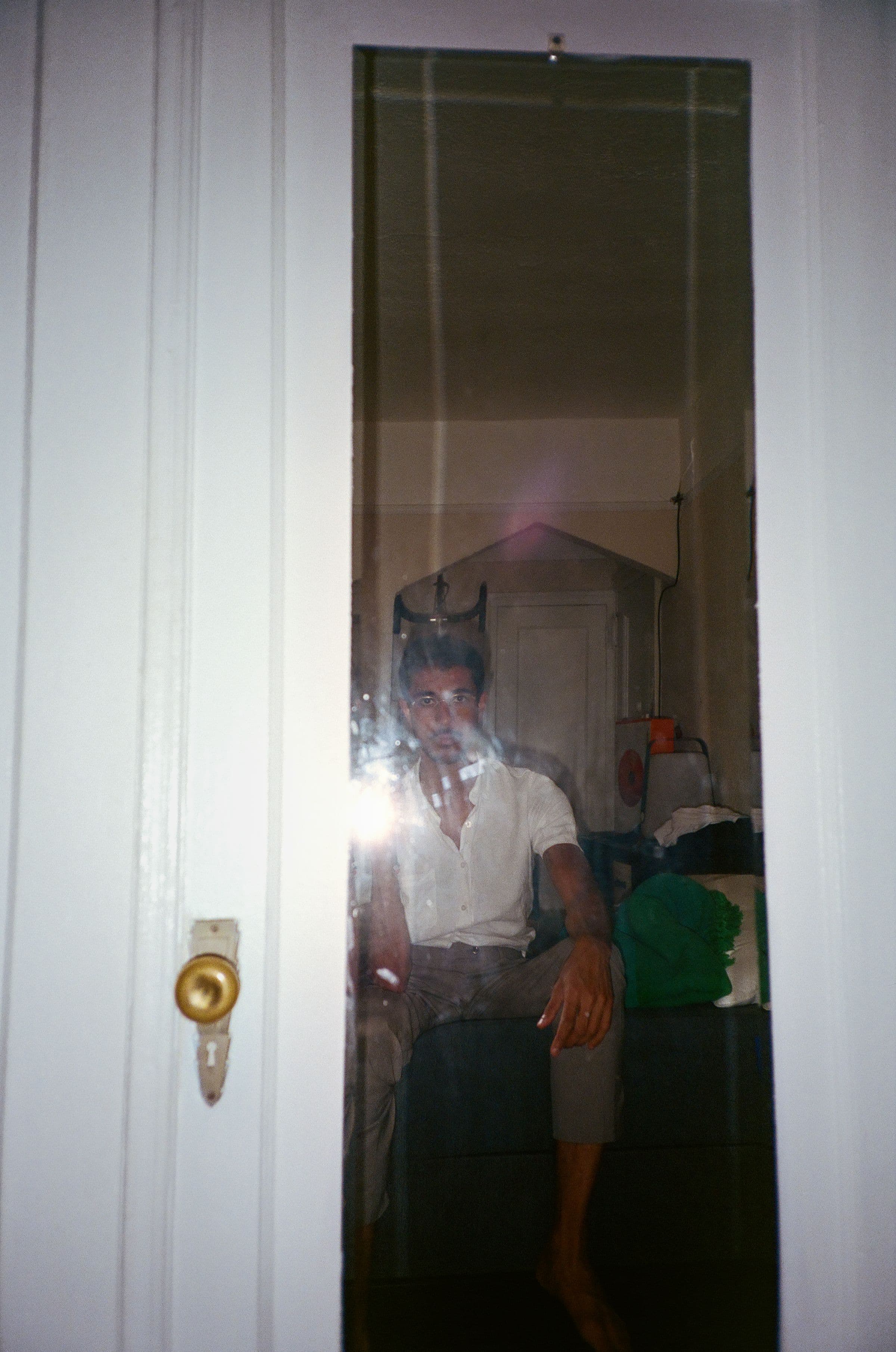
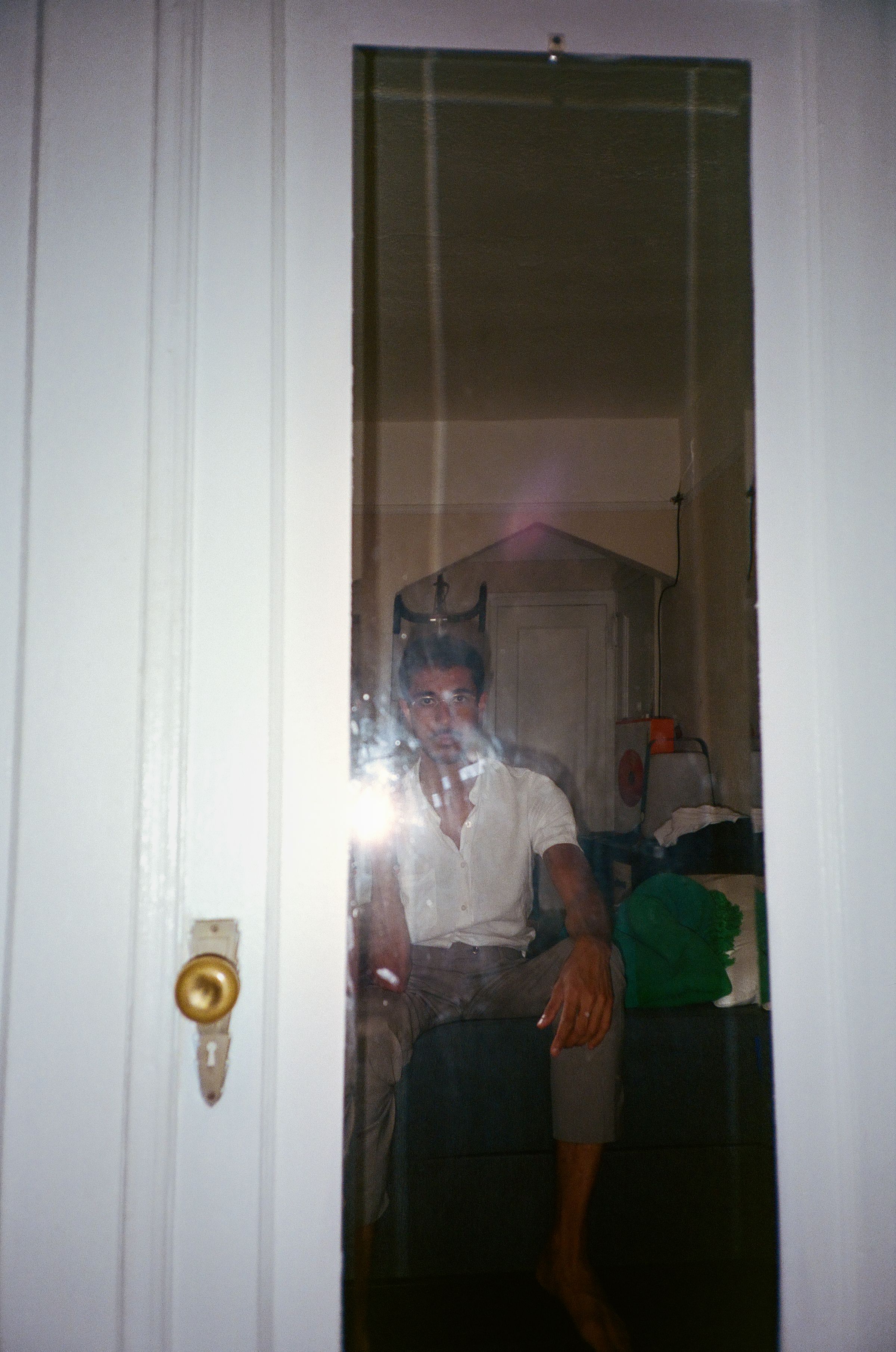


THE ROOM REMAINS,
To accept the unknown factors in oneself, this is obviously a terrific task. It’s easier to make oneself into a magical lantern and project them on to the screen of an outer world of gods and giants…why not ritualize my knowledge of my own smallness and make it a bearable thought?
Milner, An Experiment in Leisure, p.46 (1937)
In a world full of danger, to be a potentially seeable object is to be constantly exposed to danger. Self-consciousness, then, may be the apprehensive awareness of oneself as potentially exposed to danger by the simple fact of being visible to others. The obvious defence against such a danger is to make oneself invisible in one way or another.
LAING, THE DIVIDED SELF, P.109 (1960)
THE ROOM TRAVELS.
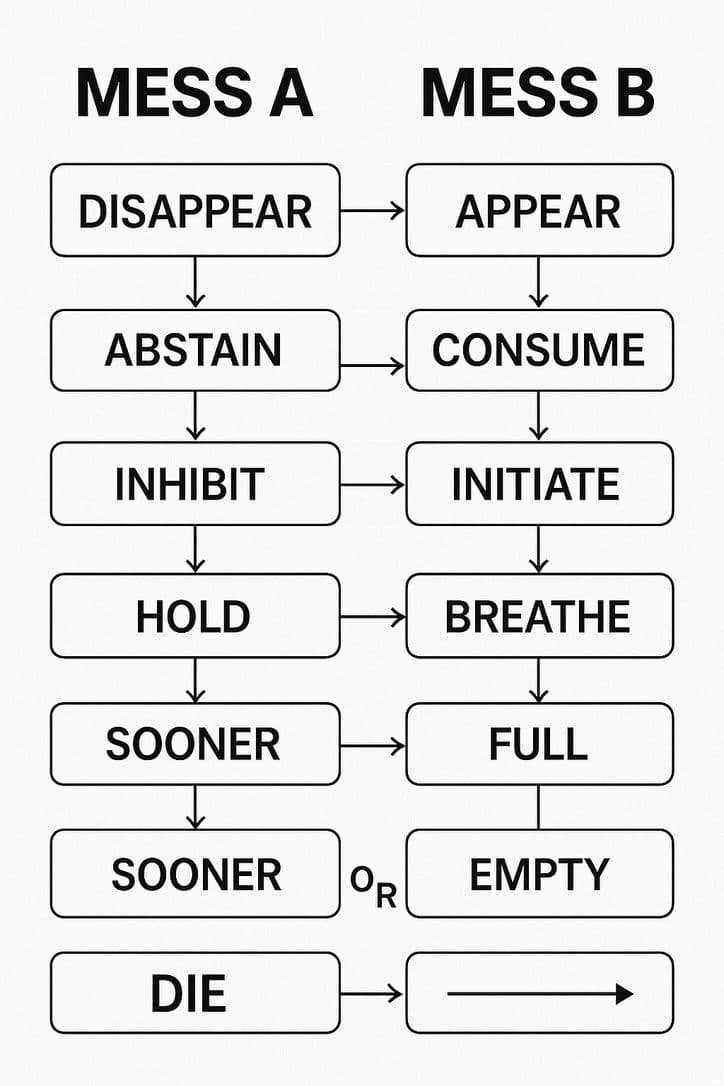
…to follow up passions, then, every little passion for a flower or a shell or a wild duck, is it collecting all your scattered self?
Milner, An Experiment in Leisure, p.175 (1937)