| ENGAGEMENT | RANGE | SCOPE |
|---|---|---|
| SPRINT | $1,500 - $3,500 | Shape the project before production begins. |
| PROFILE | $2,500+ | A focused portrait, testimonial, or interview. |
| CASE STUDY | $7,500 - $15,000+ | Focused documentary or commercial story. |
| CAMPAIGN | $15,000 - $35,000+ | One seasonal production arc. |
| ADVISORY | $3,500+ /mo | Recurring creative and production support. |
See our studio rate schedule.
Send project brief, schedule, and budget here.
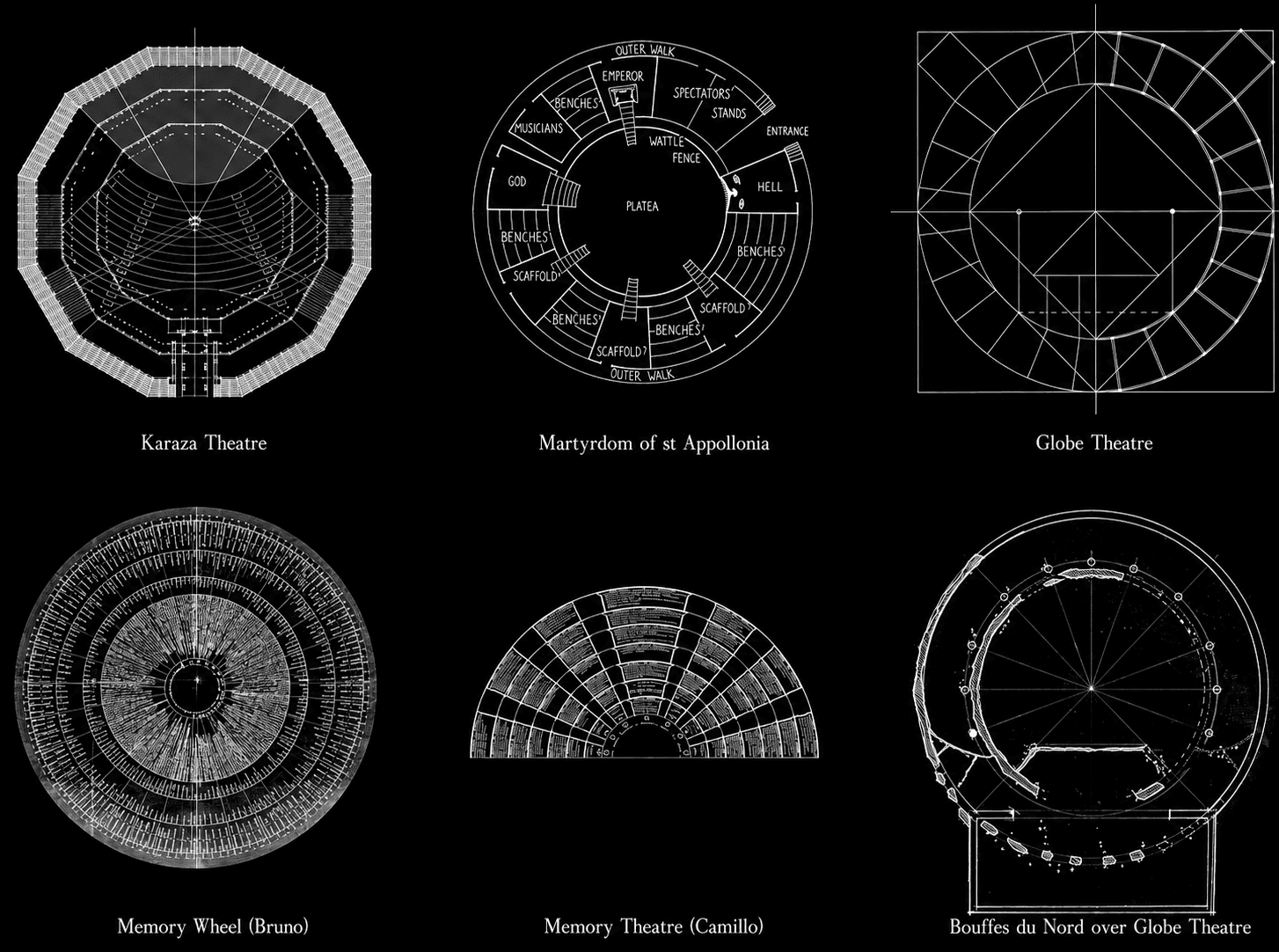
I call a theatre (a place in which) all actions of words, of sentences, of particulars of a speech or of subjects are shown, as in a public theatre in which comedies and tragedies are acted.
FLUDD, Utriusque cosmi maioris scilicet et minoris metaphysica, physica atque technica historia, p.55 (1617)
Pollard, Exquisite Corpse (2010)
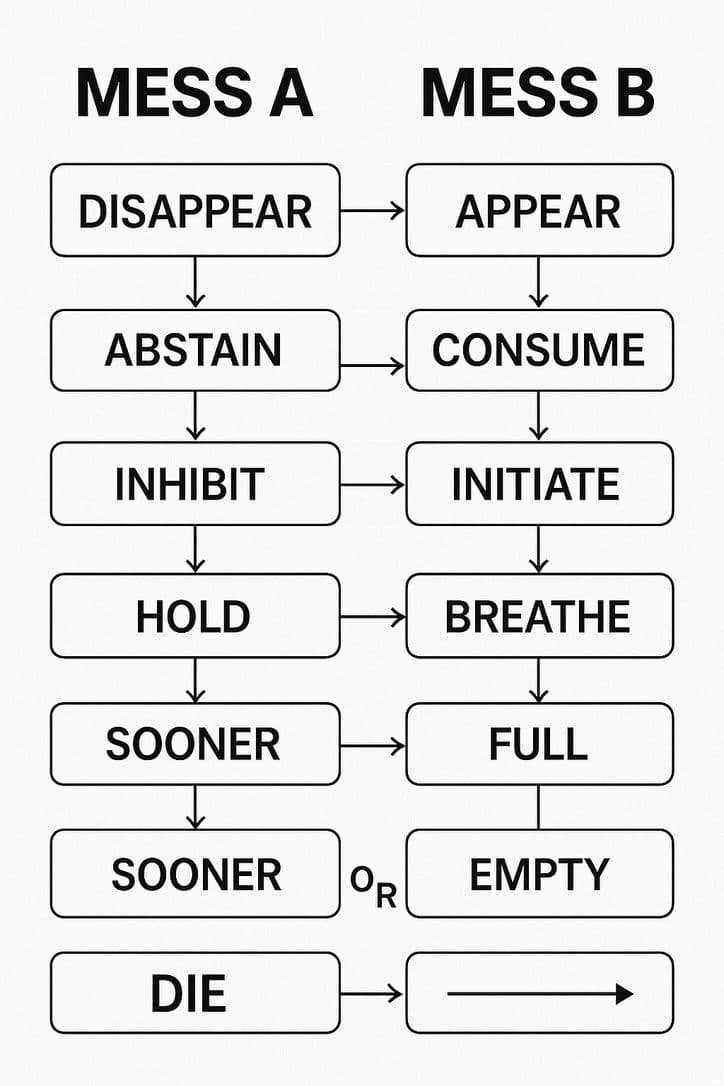
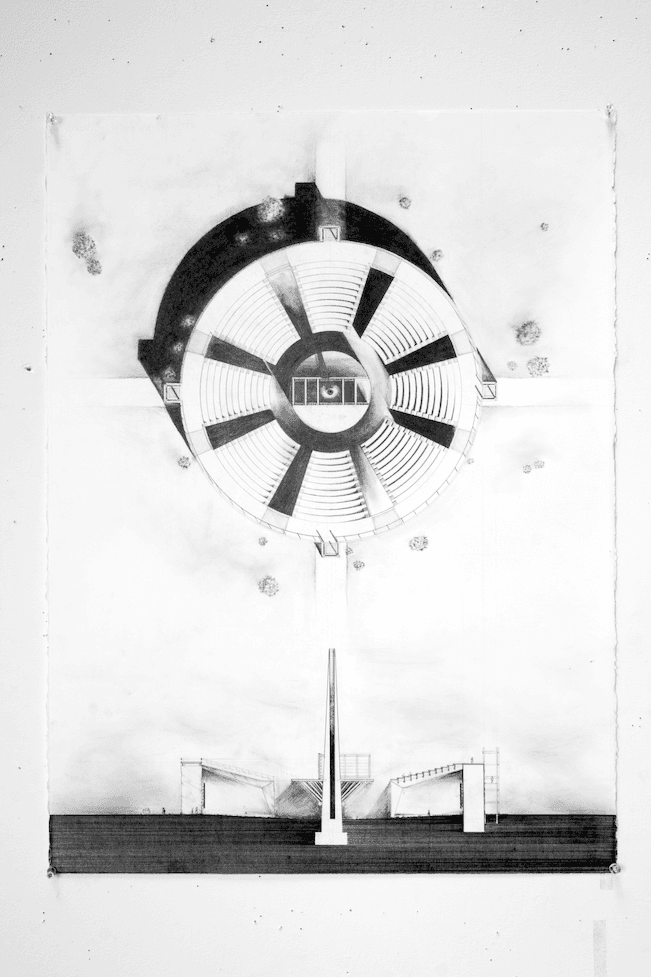
THE MEMORY THEATRE IS NOT A DEVICE FOR RECALL,
It is a structure for orientation.
To enter the theatre is to locate a state inside a field of possible action:
| CONFLICT (MARS) | DESIRE (VENUS) |
| JUDGMENT (JUPITER) | BEAUTY (DIANA) |
To move within the theatre is to transform that state according to its placement (loci).
PLACEMENT DETERMINES WHAT CAN FOLLOW.
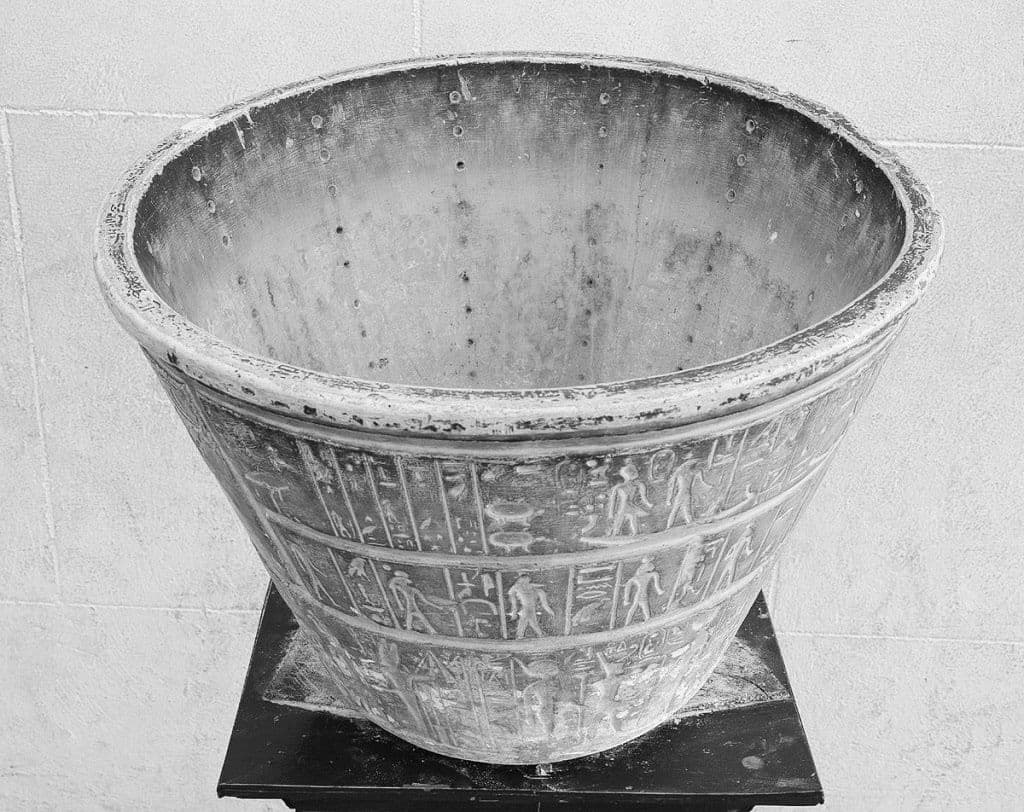
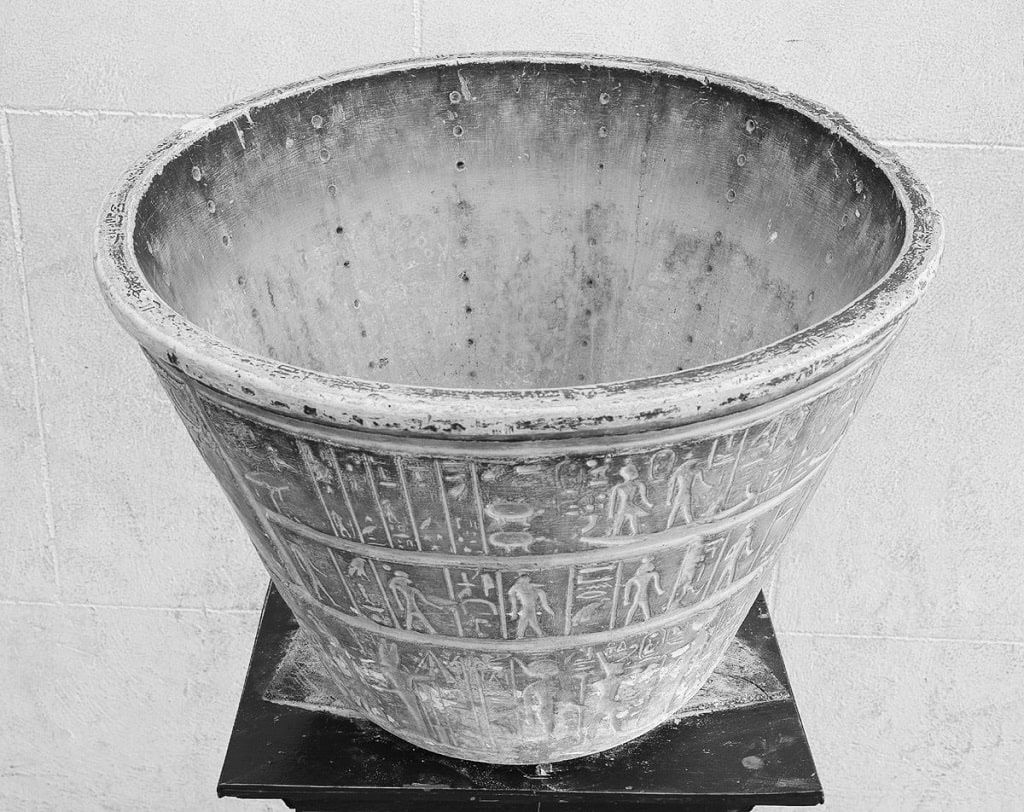
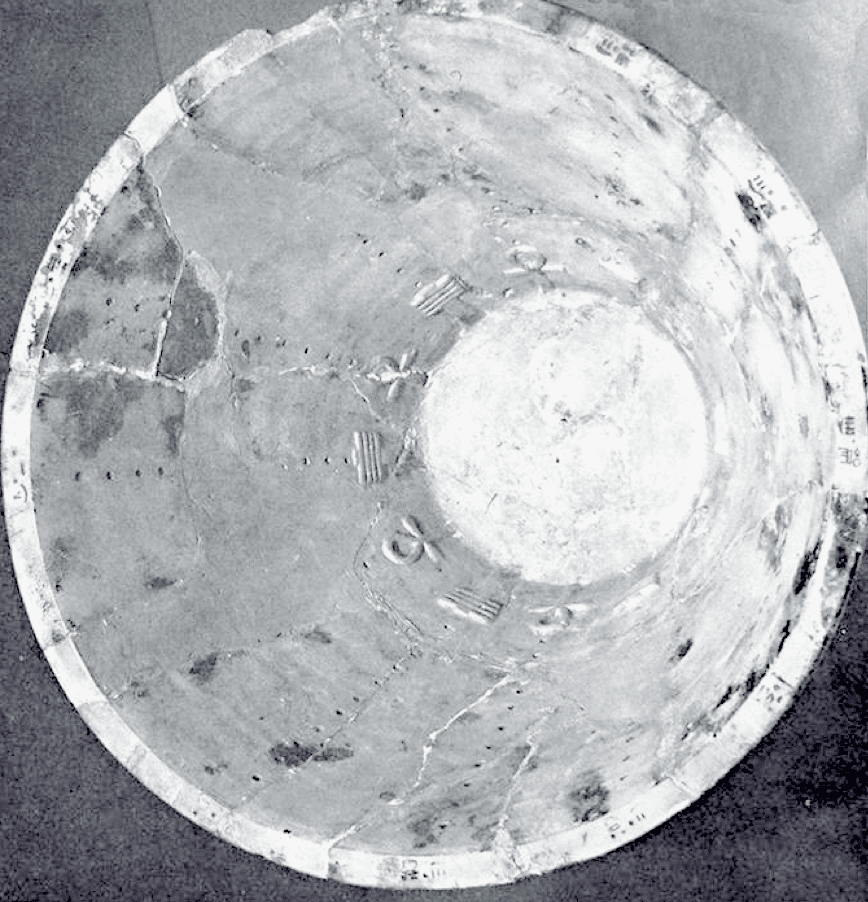
Clepsydra at Temple of Amen-Re at Karnak, (1417–1379 BC)
I have read, I believe in Mercurius Trismegistus, that in Egypt there were such excellent makers of statues that when they had brought some statue to the perfect proportions it was found to be animated with an angelic spirit: for such perfection could not be without a soul. Similar to such statues, I find a composition of words, the office of which is to hold all the words in a proportion grateful to the ear…Which words as soon as they are put into their proportion are found when pronounced to be as it were animated by a harmony.
Camillo, Discorsa in materia del suo Teatro, p.33 (1550)
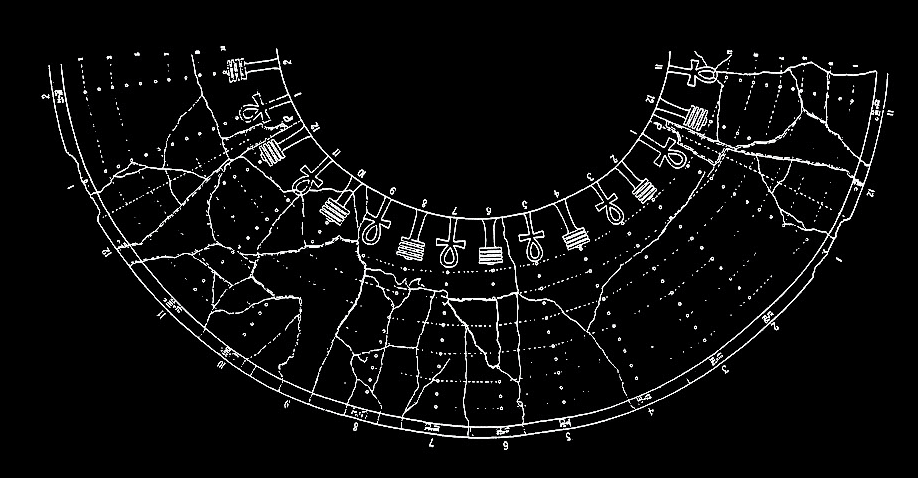
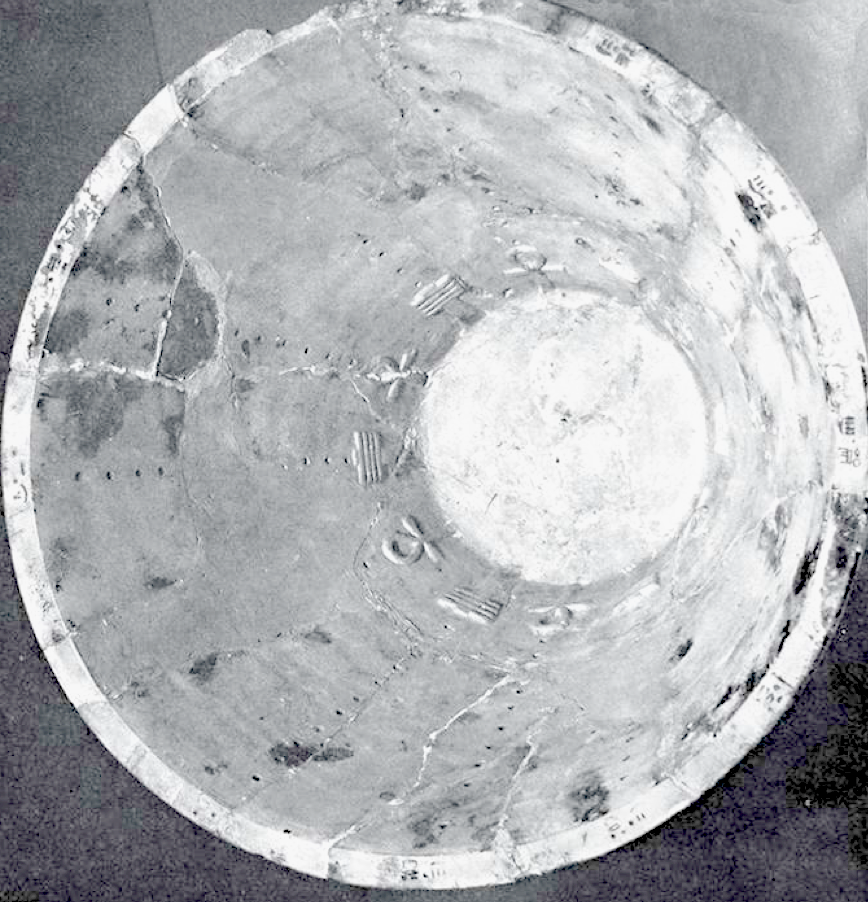
Borchardt, L'intérieur de la clepsydre de Karnak (1920)
THE CLEPSYDRA DOES NOT MEASURE TIME,
IT STAGES IT.
Filled and emptied,
it produces a sequence of states:
The observer generates a spoken description of his cognitive domain (which includes his interactions with and through instruments). Whatever description he makes, however, that description corresponds to a set of permitted states of relative activity in his nervous system embodying the relations given in his interactions. These permitted states of relative activity and those recursively generated by them are made possible by the anatomical and functional organization of the nervous system through its capacity to interact with its own states. The nervous system in turn has evolved as a system structurally and functionally subservient to the basic circularity of the living organization, and hence, embodies an inescapable logic: that logic which allows for a match between the organization of the living system and the interactions into which it can enter without losing its identity.
Maturana, Autopoiesis & Cognition, p.32 (1972)
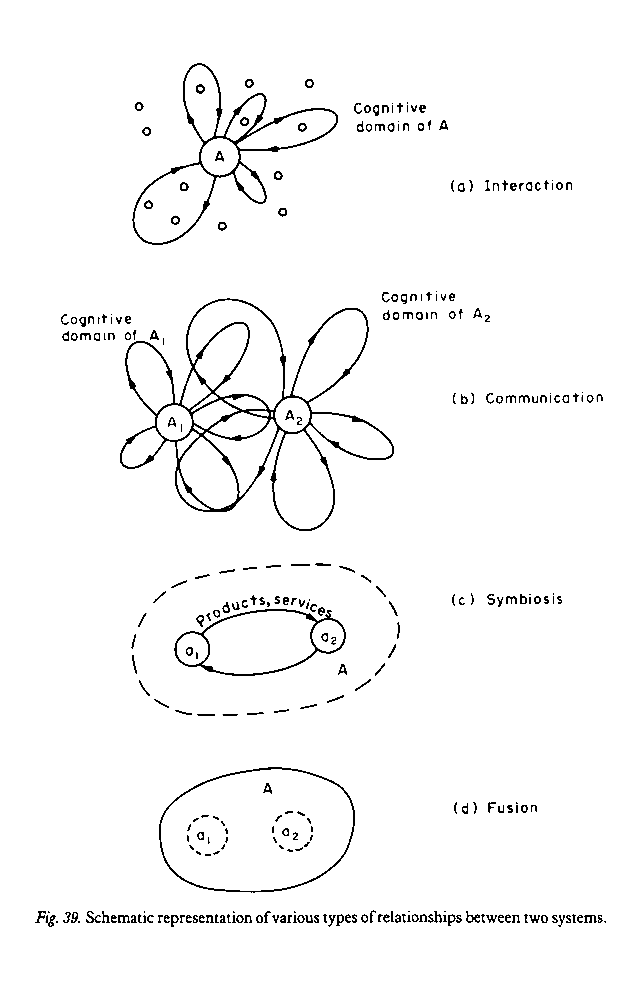
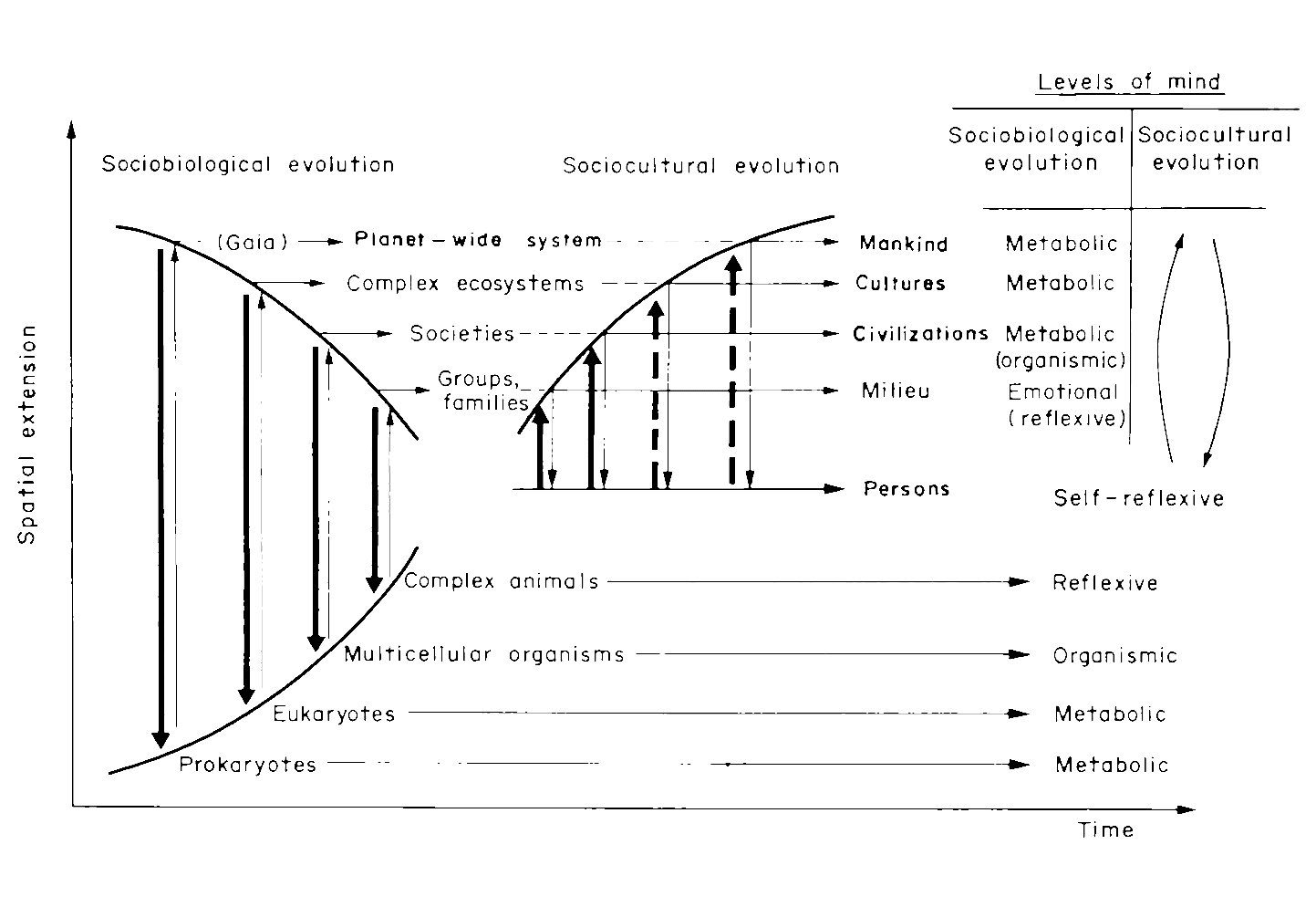
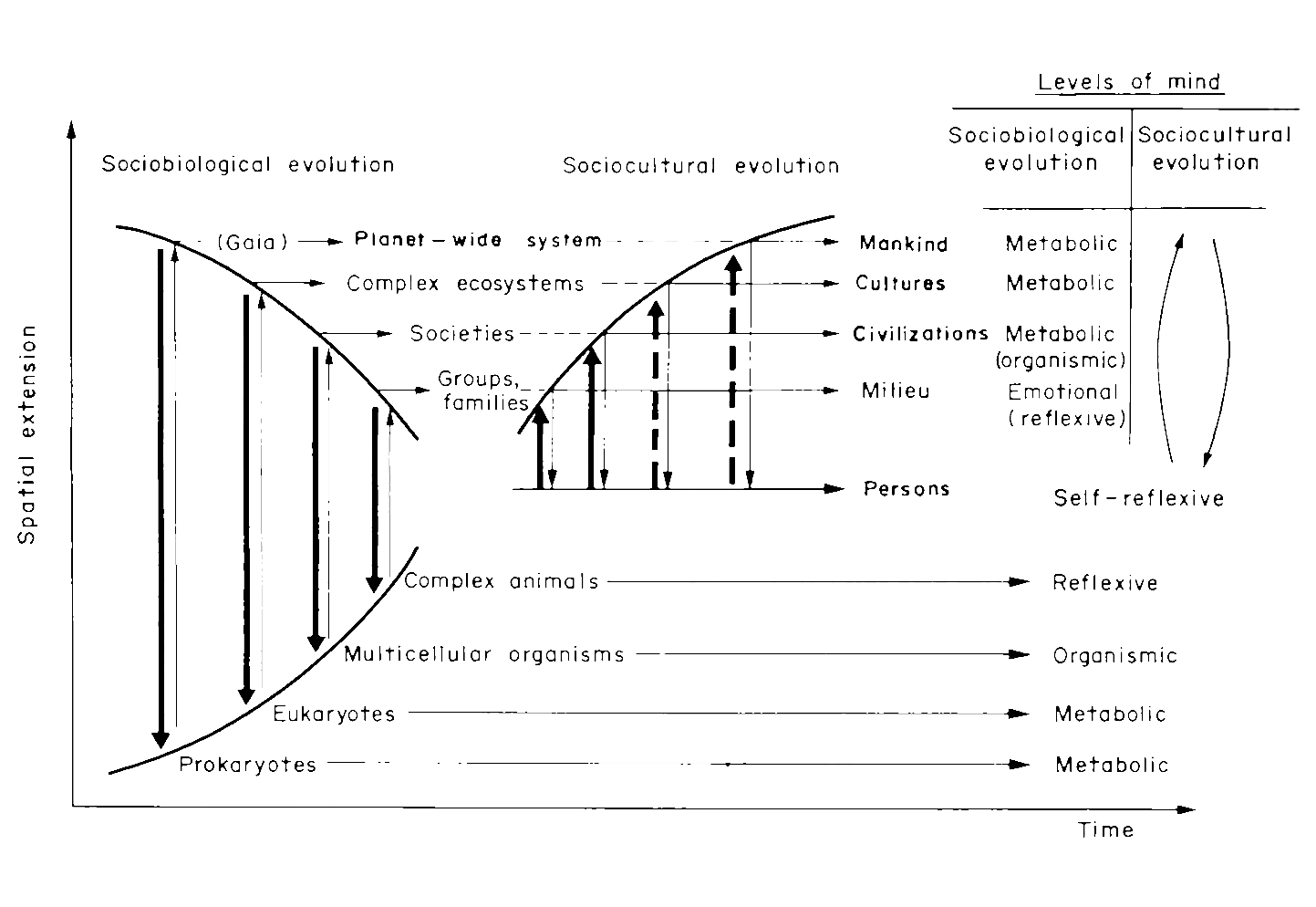
Jantsch, Self Organizing Universe p.204, p.175 (1980)
Relation scales,
We can say that every internal interaction changes us because it modifies our internal state, changing our posture or perspective (as a functional state) from which we enter into a new interaction. As a result new relations are necessarily created in each interaction and, embodied in new states of activity, we interact with them in a process that repeats itself as a historical and unlimited transformation.
Varela & Maturana, Autopoiesis & Cognition, p.39 (1972)
domain stabilizes,
The basic function of language as a system of orienting behavior is not the transmission of information or the description of an independent universe about which we can talk, but the creation of a consensual domain of behavior between linguistically interacting systems through the development of a cooperative domain of interactions.
Varela & Maturana, Autopoiesis & Cognition, p.50 (1972)
Action requires form.
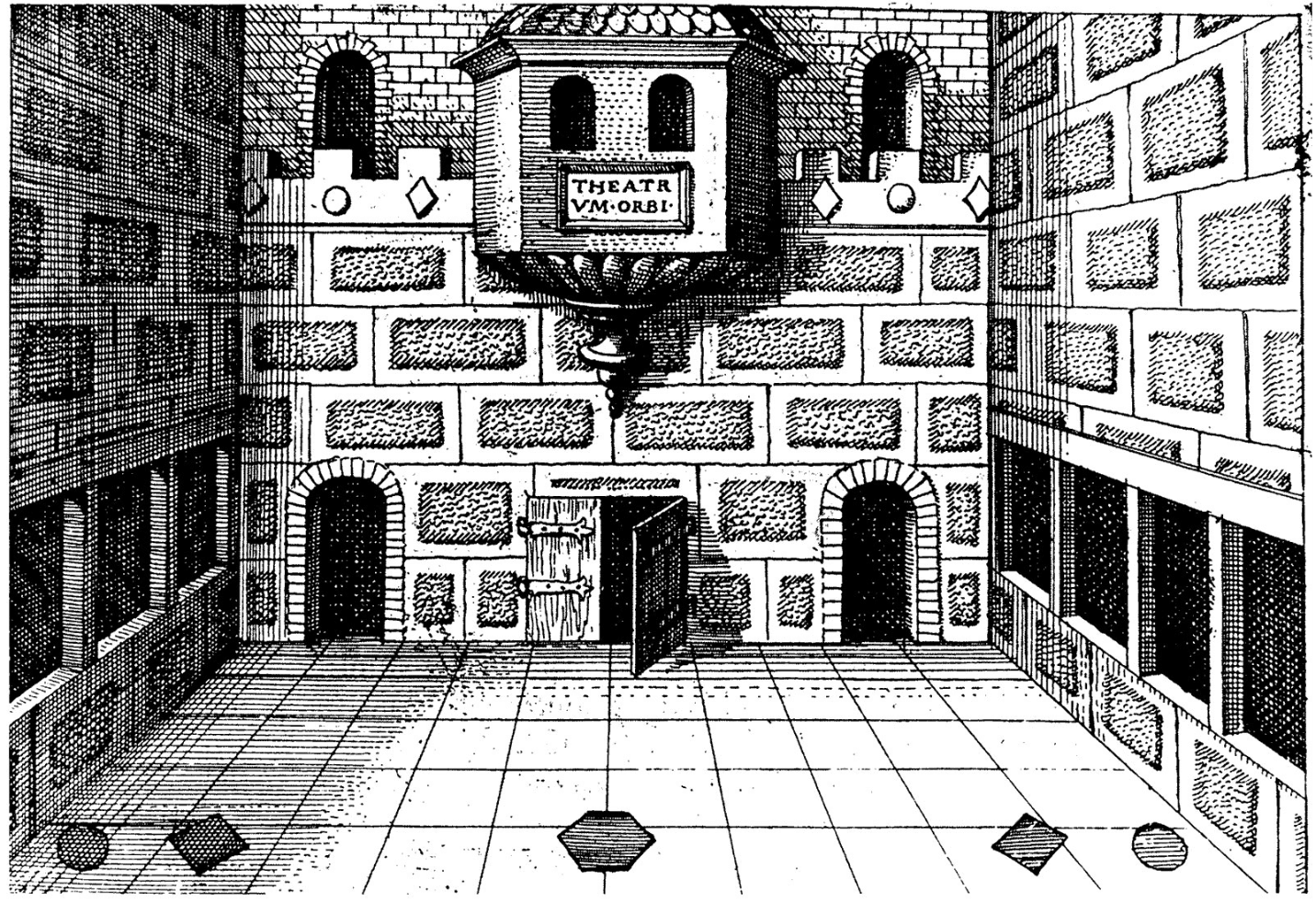
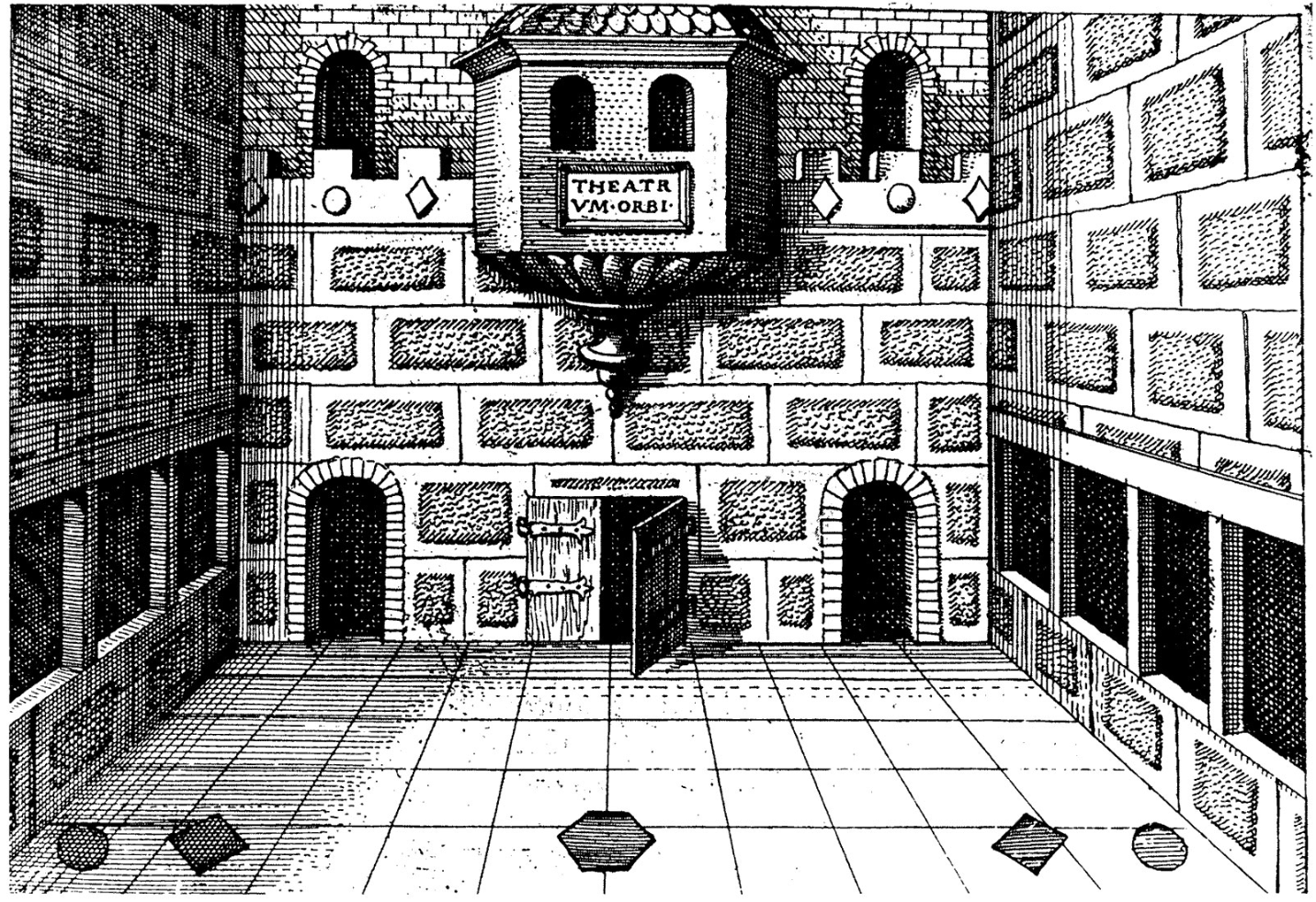
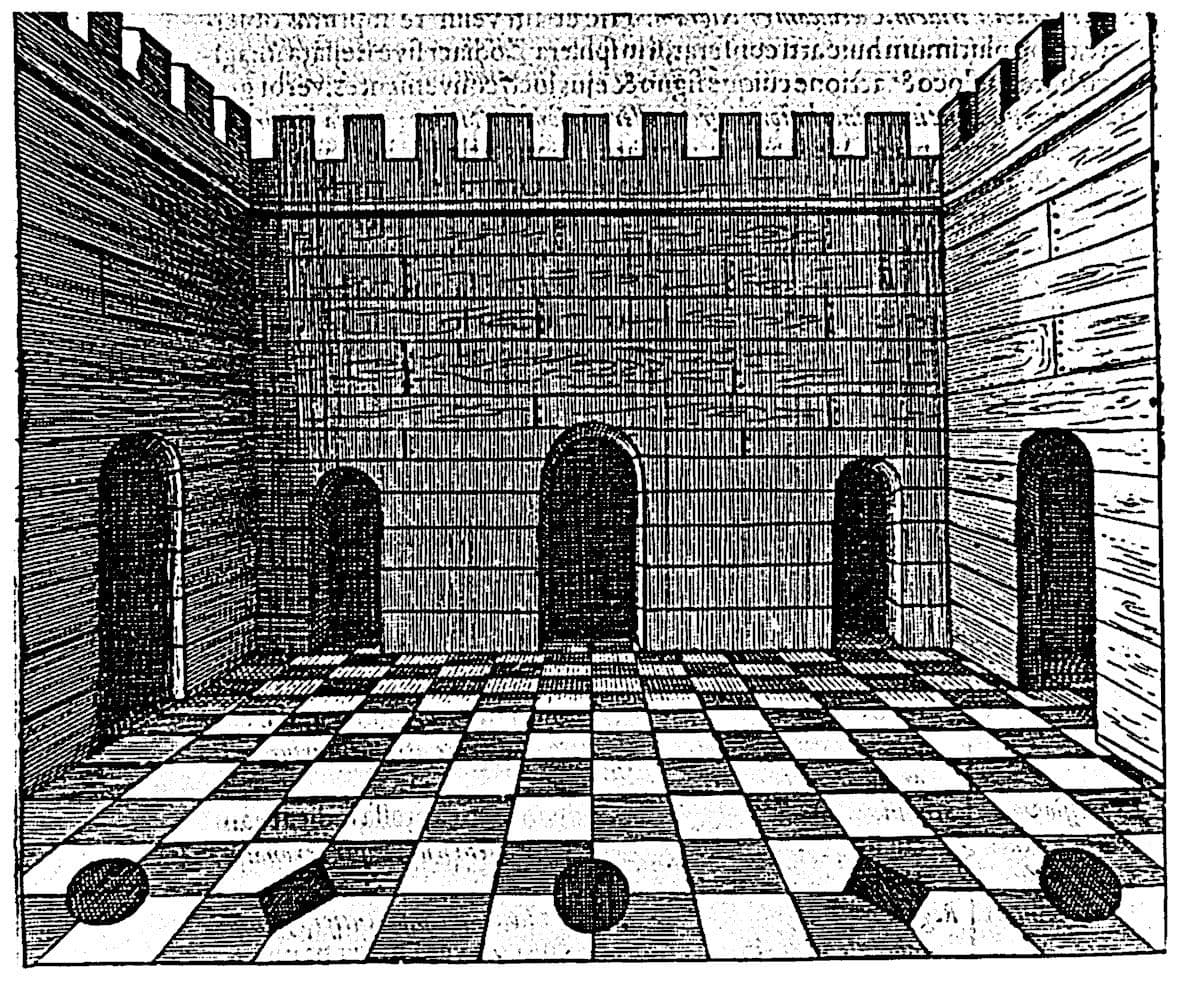
Fludd, Utriusque Cosmi…Historia, p.55, p.64 (1617)
Camillo’s Theatre is in many ways analogous to Fludd’s Theatre system. There is in both cases a distortion of a ‘real’ theatre for the purposes of a Hermetic memory system. Camillo distorts the Vitruvian theatre by transferring the practice of decorating with imagery the five entrances to its stage to the seven times seven imaginary gates which he erects in the auditorium. Fludd stands with his back to the auditorium and looking towards the stage, loading with imaginary imagery its five doors, used as memory loci, and distorting the stage for his mnemonic purposes by crushing it into a memory room. In both cases there is a distortion of a real theatre, though the distortions are of a different kind.
Yates, The Art of Memory p.367 (1966)
To name a thing is to place it.
To recall it is to return it to position.
THE FORM IS CONTINGENT; ITS POSTURE INVARIANT.
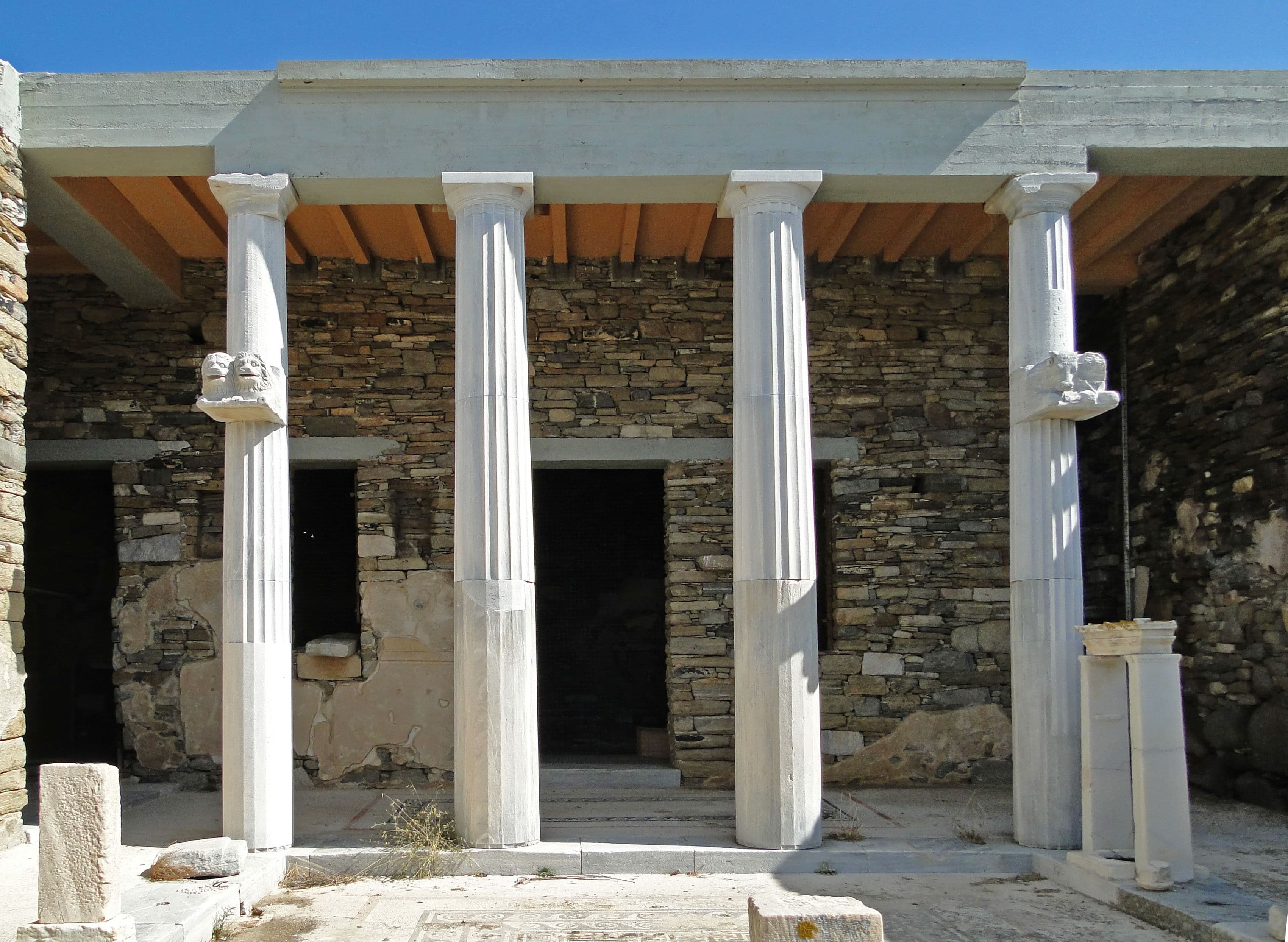
House of The Trident, Delos
ECONOMY
n. < Gk. oikos (house) + nomos (rule, law)
Management of a household, administration of an estate, including the family, farm animals, crops and slaves.
Step inside.
- The chair is where you expect it.
- The light switch is where your hand reaches.
Before you see it.
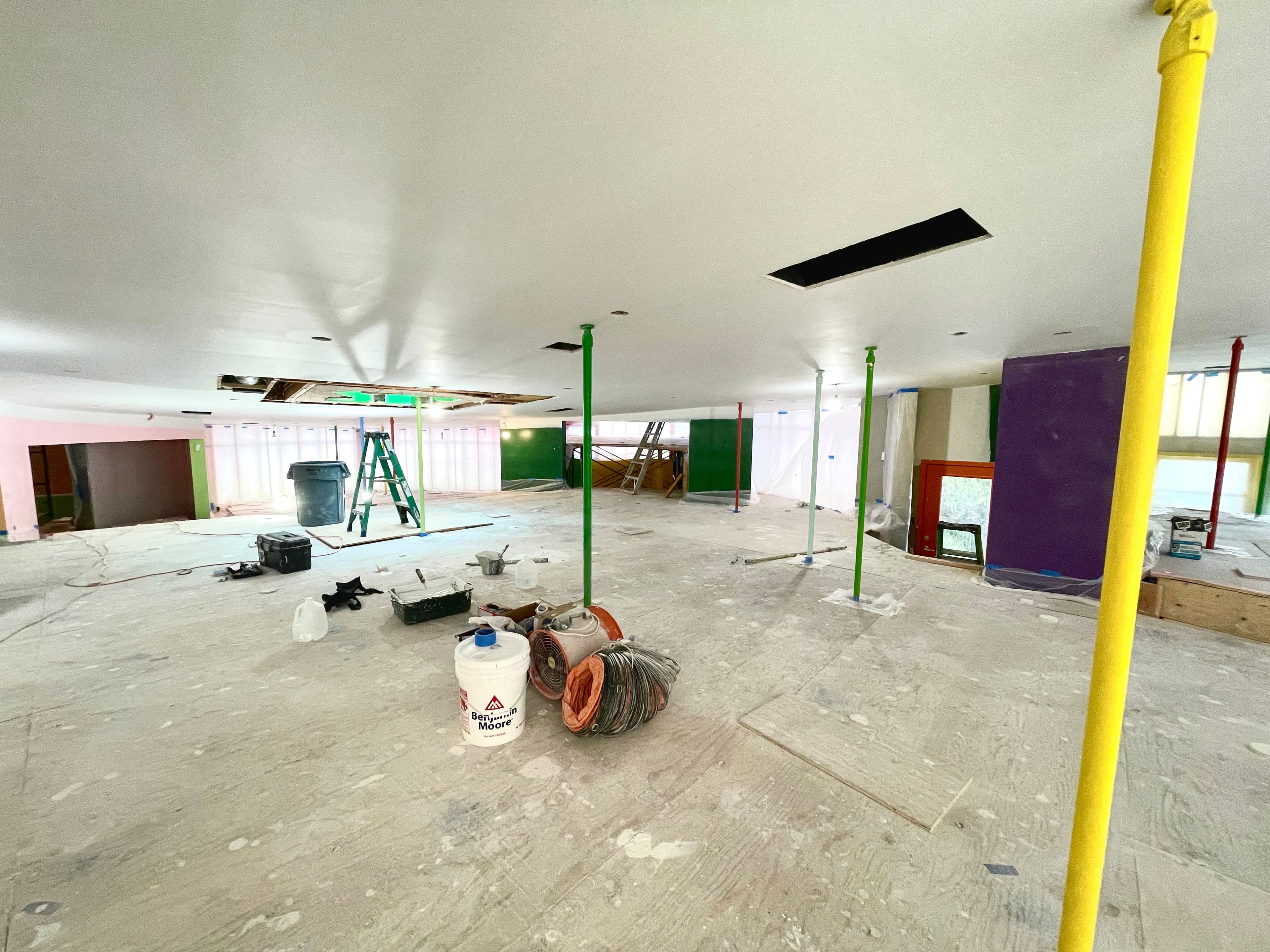
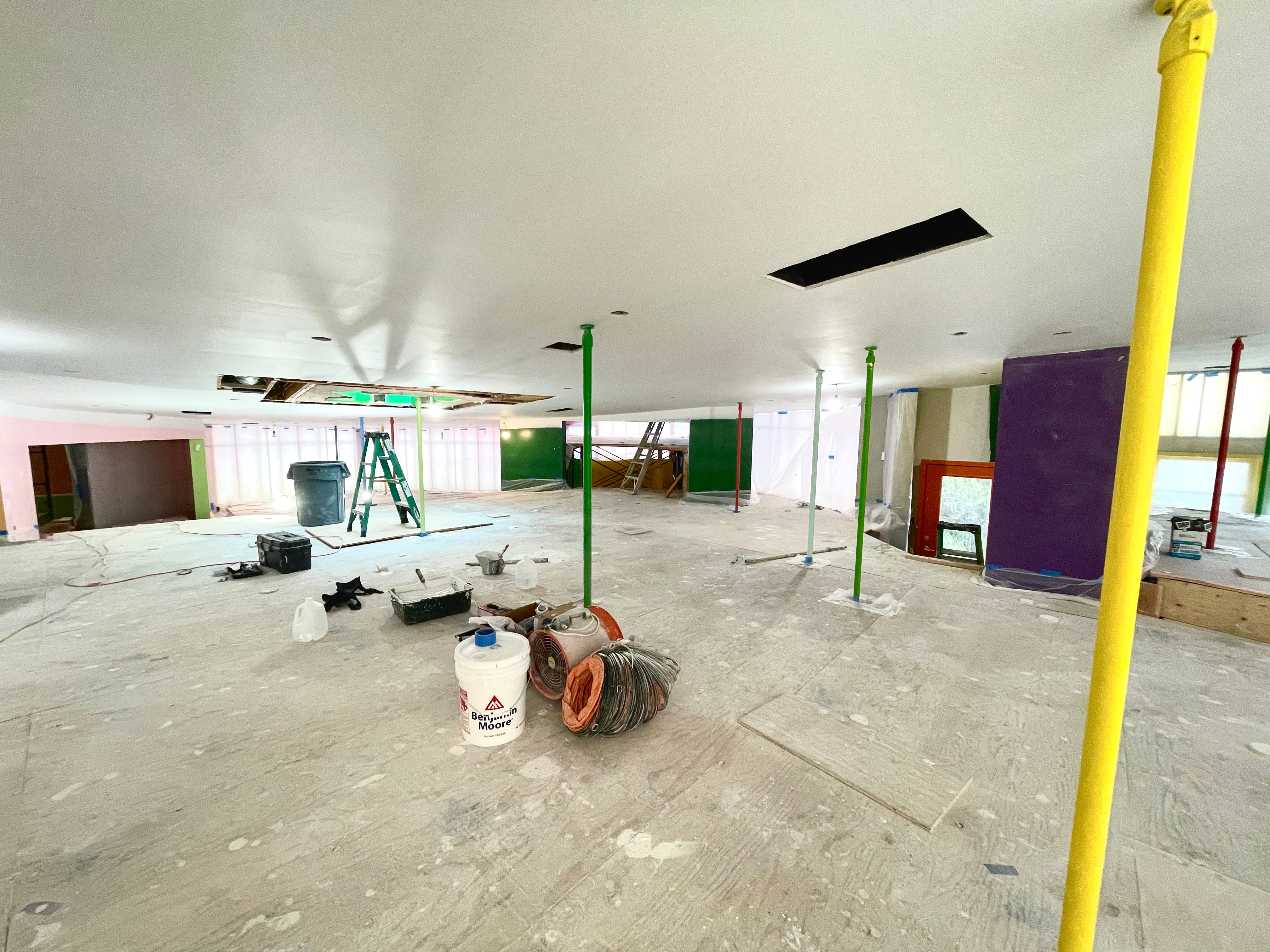
Arakawa+Gins, Bioscleave House (Lifespan Extending Villa), interior, 2008, residence, 2,700 sq. ft. (255 m2), East Hampton, NY, USA. © 2008 Reversible Destiny Foundation. Reproduced with permission of the Reversible Destiny Foundation
The house organizes its own behavior;
It is learned by way of things.
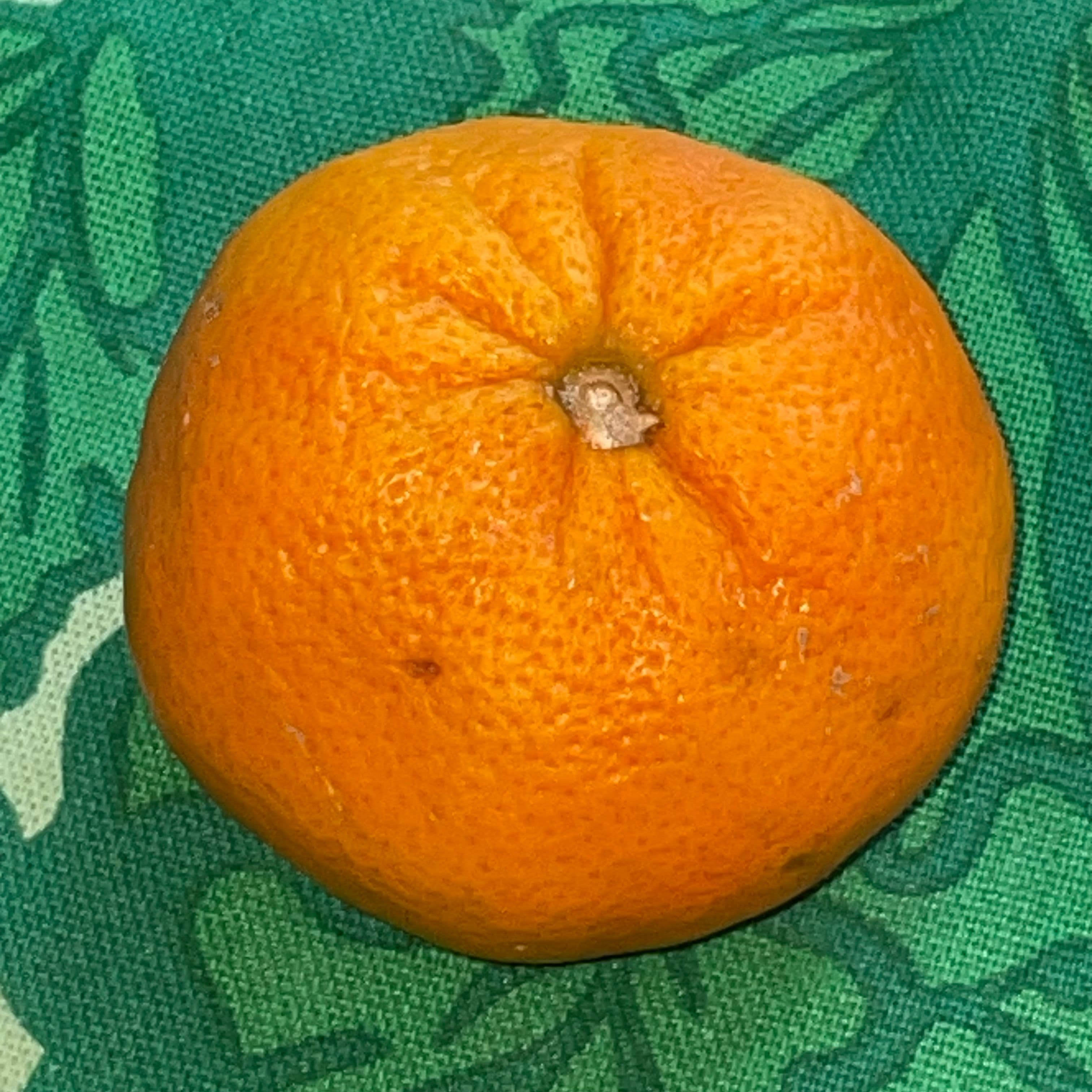


What the house teaches through use,
the theatre formalizes through placement.
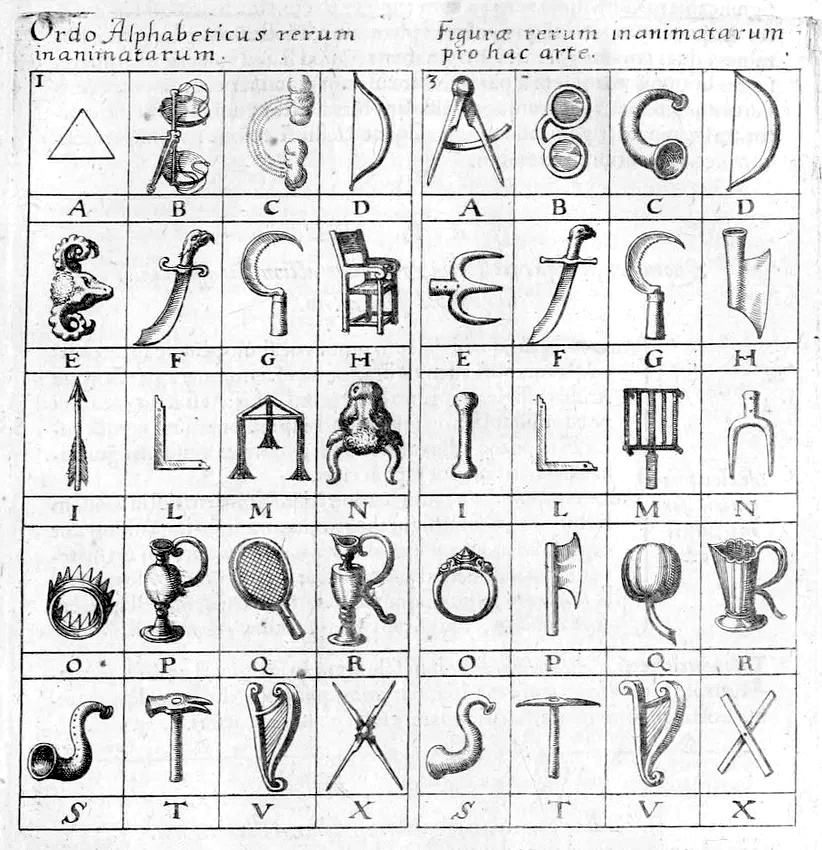
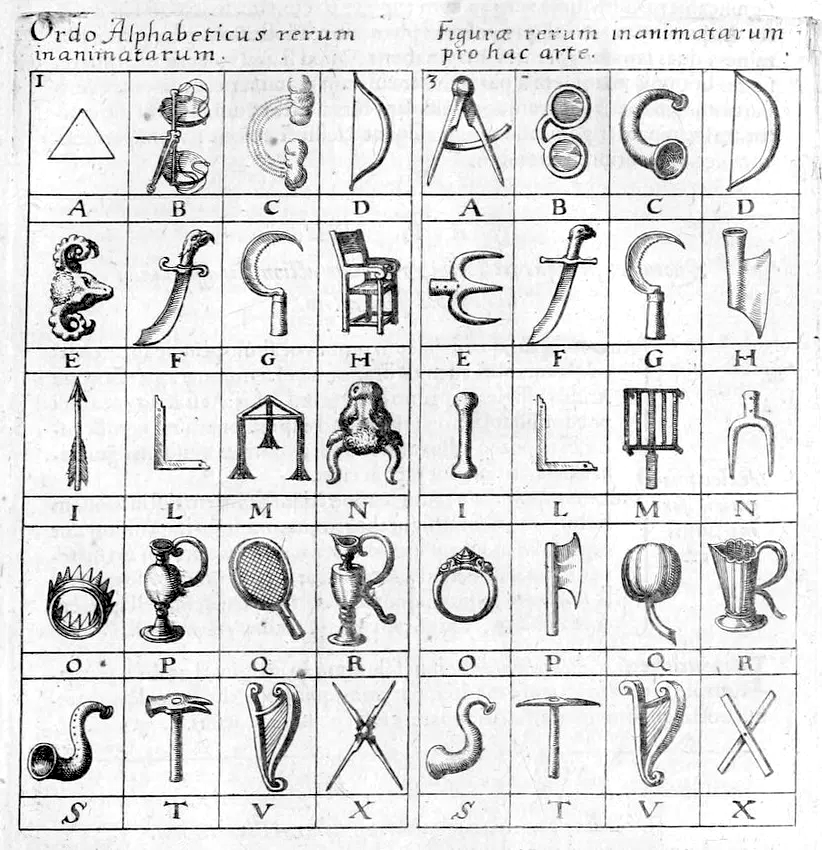
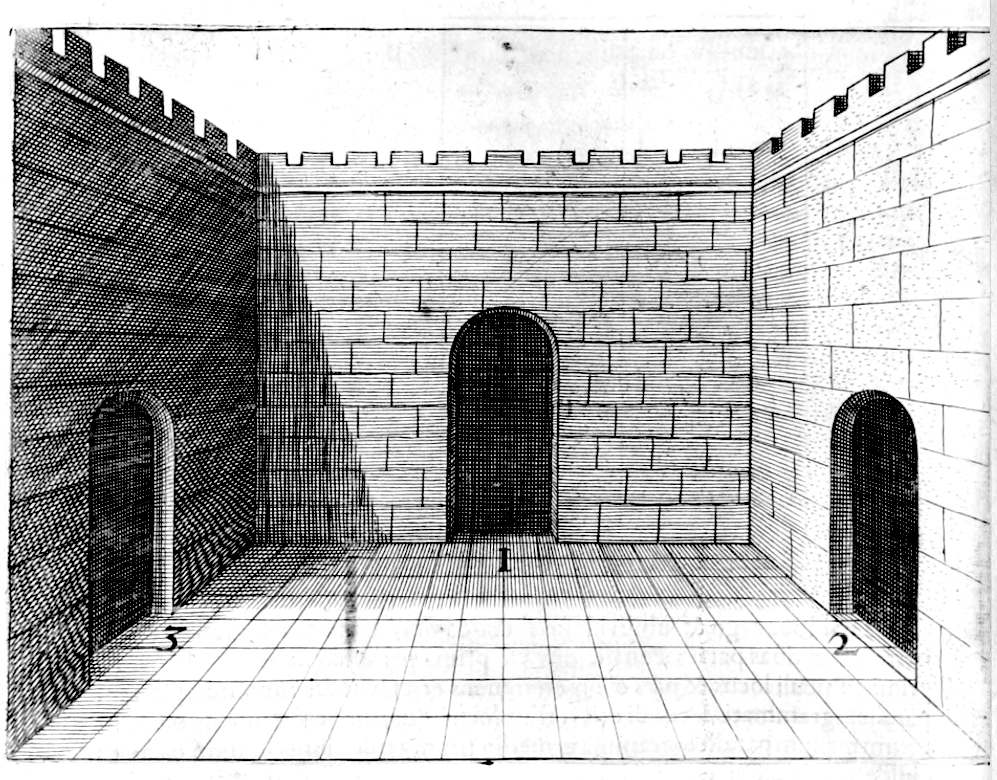
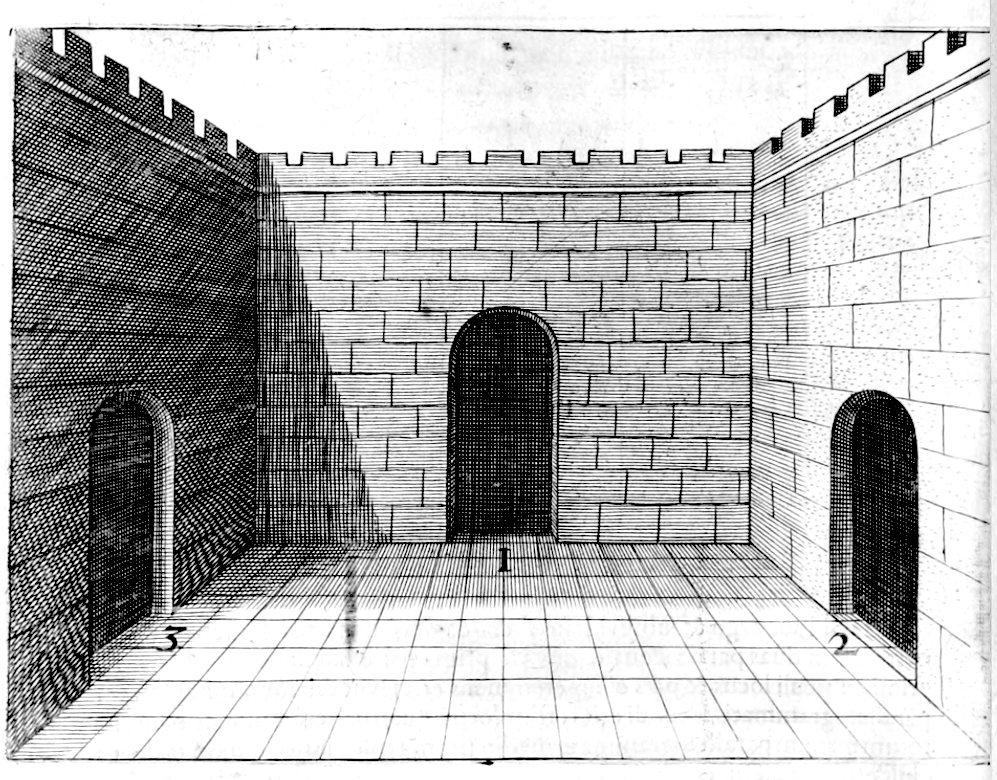
Fludd, Utriusque Cosmi…Historia, p.61, p.58 (1617)
Fludd is going to use this theatre as a memory place system for memory for words and memory for things. But the theatre itself is like ‘a public theatre in which comedies and tragedies are acted.’ Those great wooden theaters in which the works of Shakespeare and others were played were technically known as ‘public theaters’. In view of Fludd’s strong convictions about the undesirability of using ‘fictitious places’ in memory, can we assume that this is a real stage in a public theatre which he is showing us?
Frances A. Yates, The Art of Memory p.331 (1966)


'The Kardashians' S7 (2025)
Once the theatre becomes public,
placement no longer serves memory alone,
Meaning can be defined as a medium that is generated by a surplus of indications of other options.
Luhmann, Risk, p.17 (1991)
it stages it.




'Selling Sunset' S4 (2021)
What moves between observers is not substance alone,
| ASPIRATION | KINSHIP | RITUAL |
| CONSUMPTION | INTIMACY | CONFLICT |
but the conditions under which it will be received.
Once something is framed in crust, it seems worthy of framing.
Adler, An Everlasting Meal, p.84 (2011)
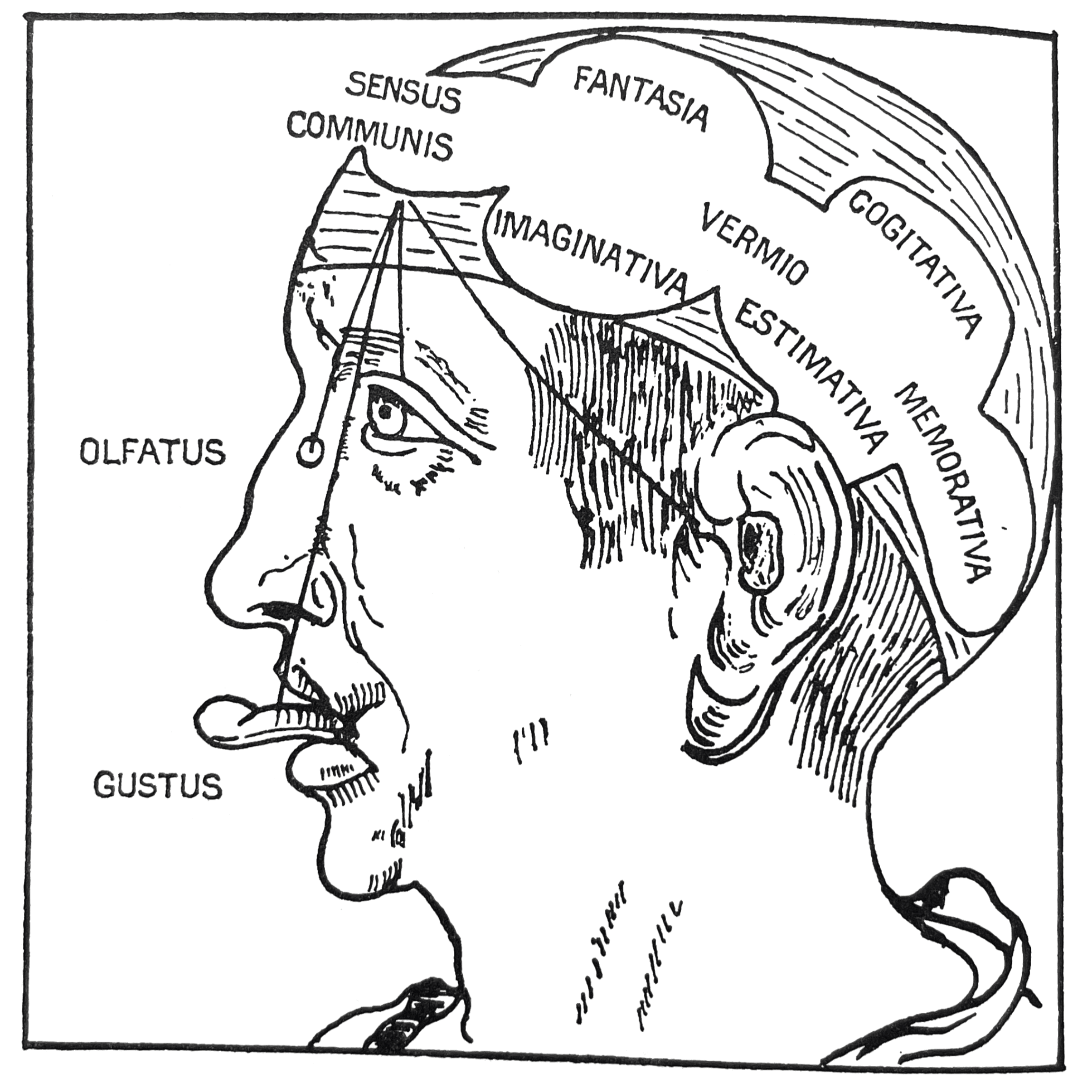
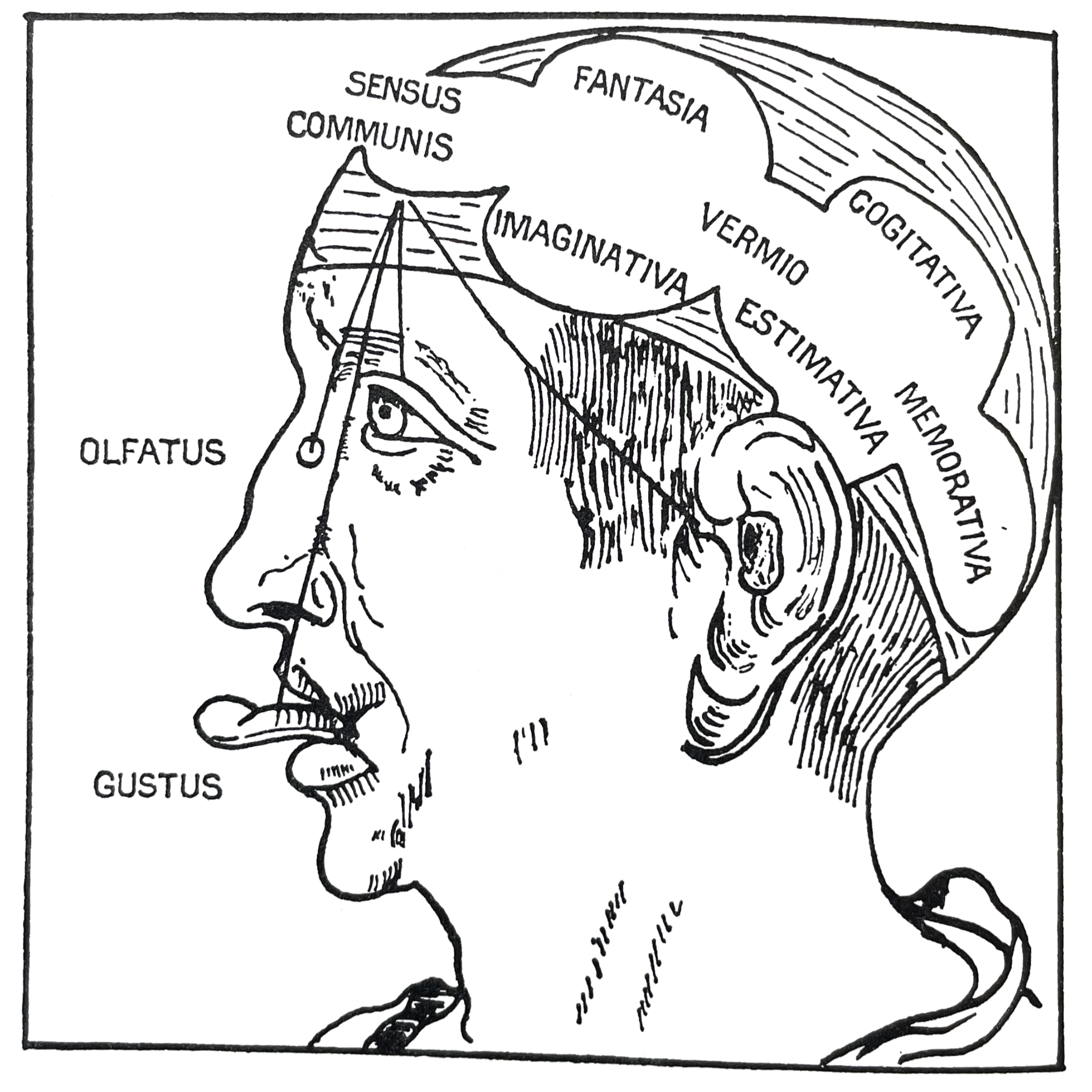
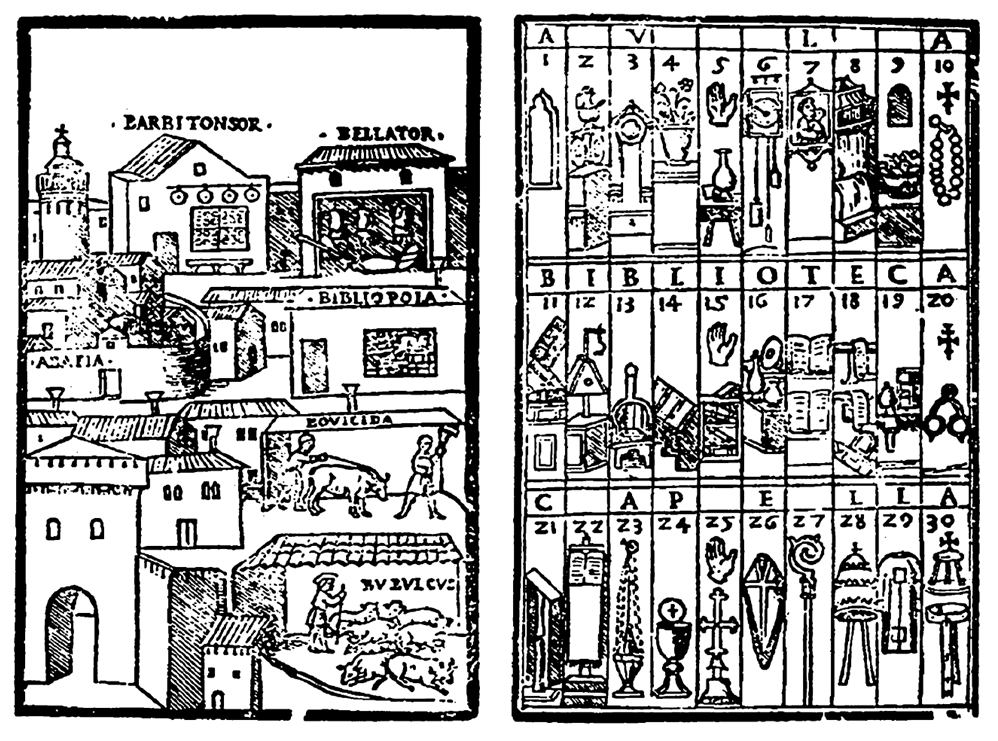
Romberch, Congestorium artificiose memoriae, p.12, p.36-37 (1533)
Taste begins in the mouth; it does not argue.
Form operates inside this domain.
Indeed, for many things we use the letters of the alphabet with vowels and consonants, from which an almost innumerable number of names of places can be made. And from these names we can establish for ourselves other places, fictive ones, or else receive them from the strange compositions of letters mentioned above.
Romberch, Congestorium artificiose memoriae, p.33 (1533)
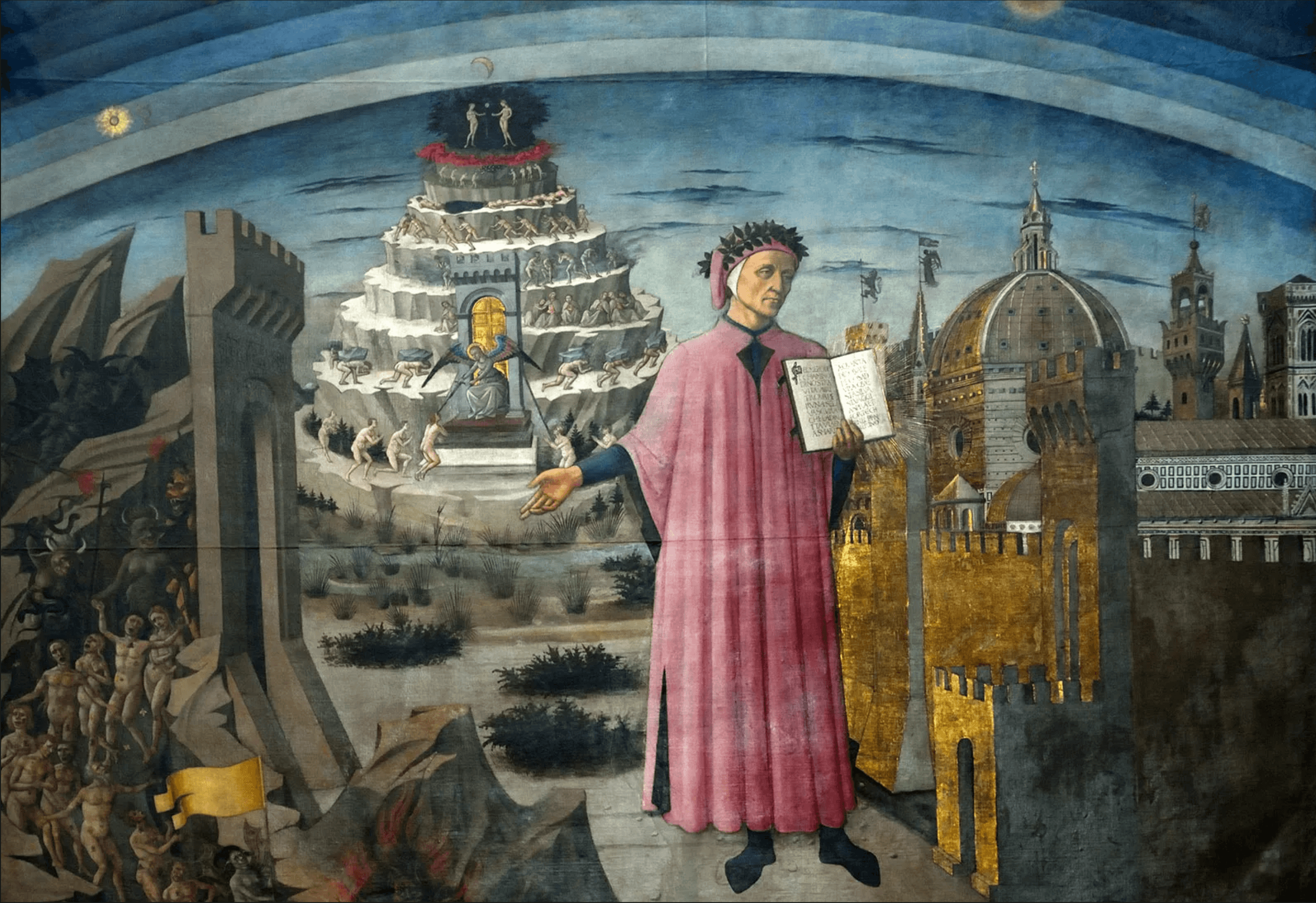
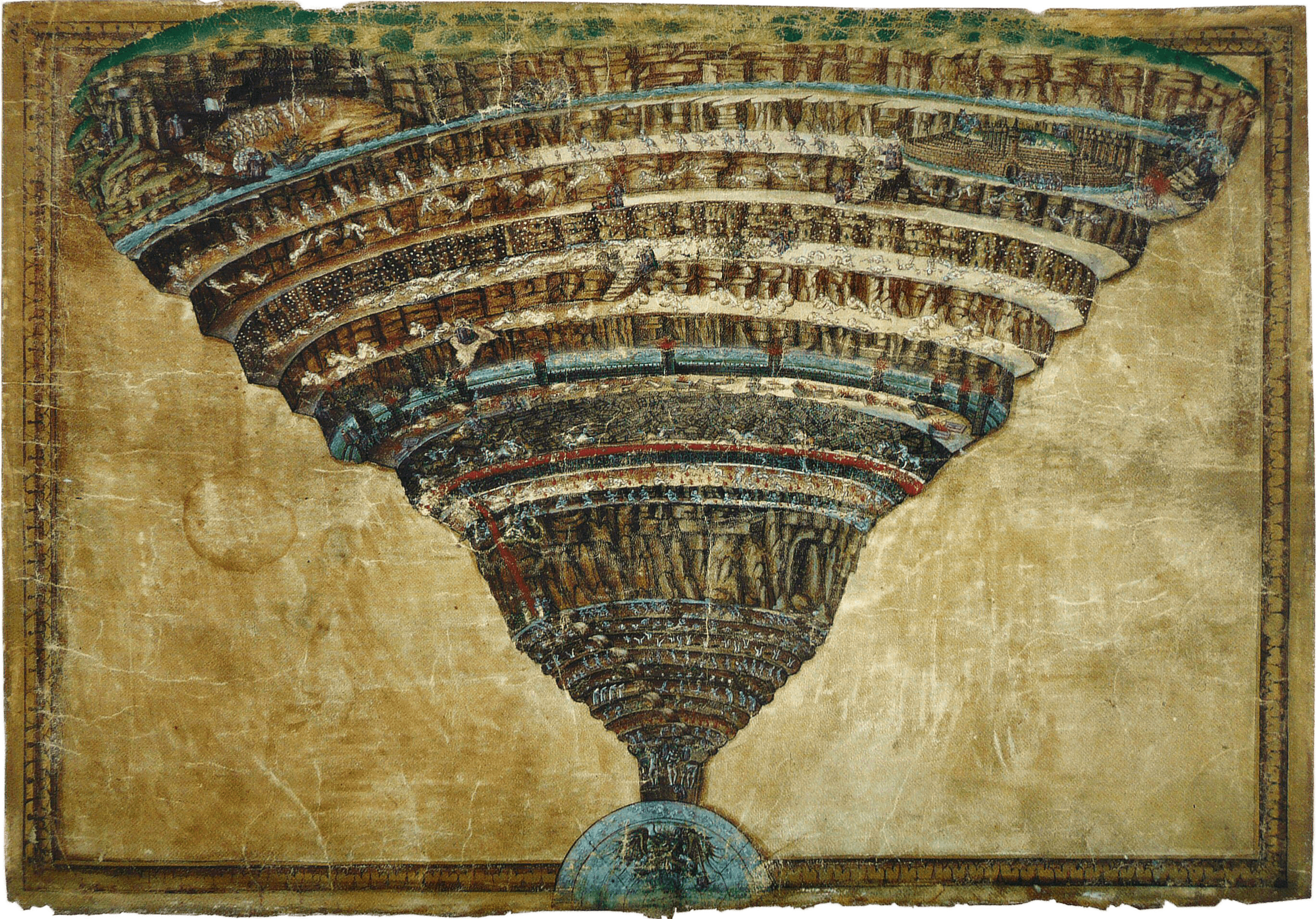
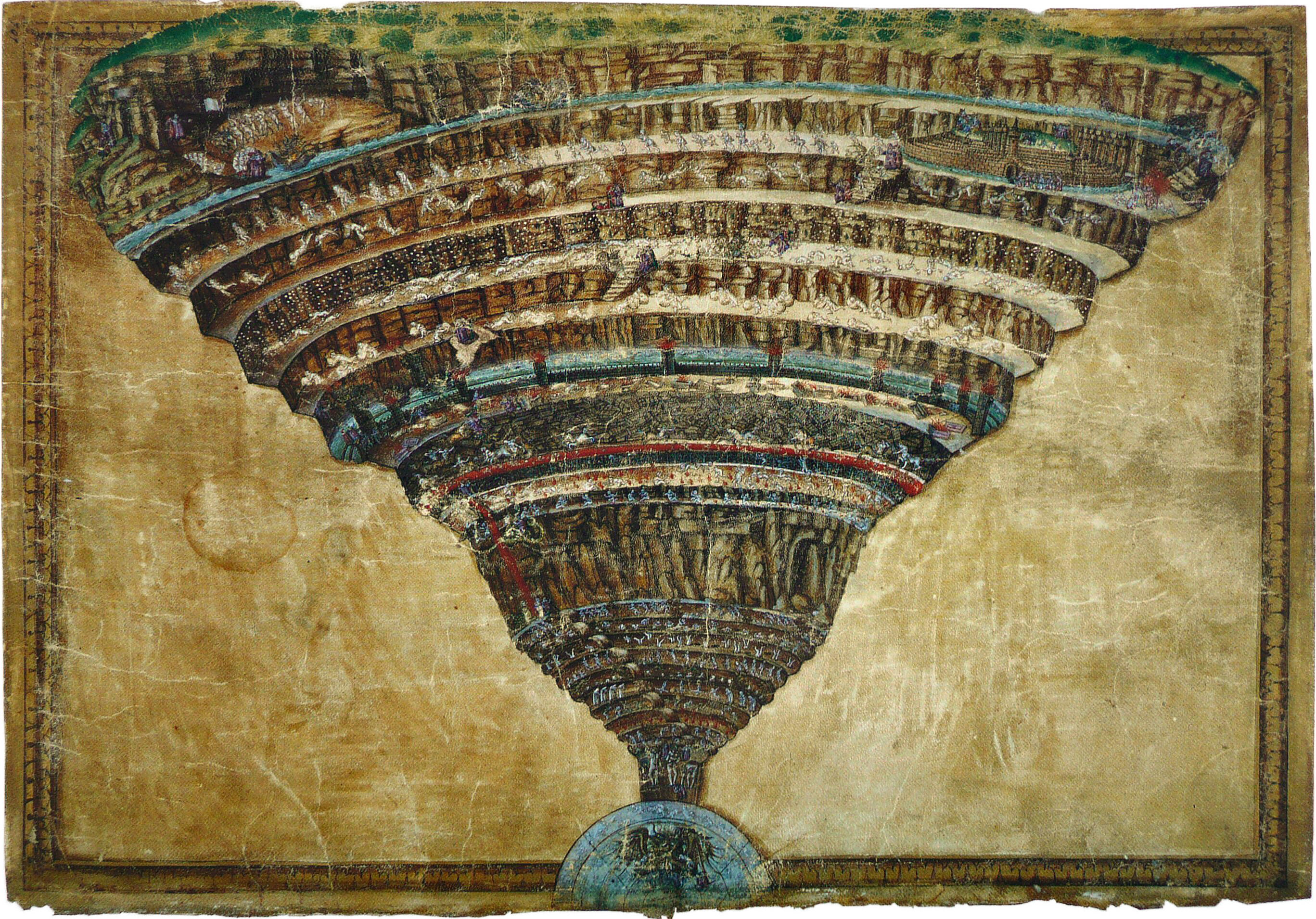
FORM ORDERS A WORLD
By imprinting on memory the images of the ‘superior agents’, we shall know the things below from above; the lower things will arrange themselves in memory once we have arranged there the images of the higher things, which contain the reality of the lower things in a higher form…
Yates, The Art of Memory, p.216 (1966)
Brand, The Clock of the Long Now (1999)
Systems do not move at one speed.
Fast learns, slow remembers. Fast proposes, slow disposes. Fast is discontinuous, slow is continuous. Fast and small instructs slow and big by accrued innovation and by occasional revolution. Slow and big controls small and fast by constraint and constancy. Fast gets all our attention, slow has all the power.
Brand, Pace Layering, 2018
What changes slowly absorbs what changes quickly.
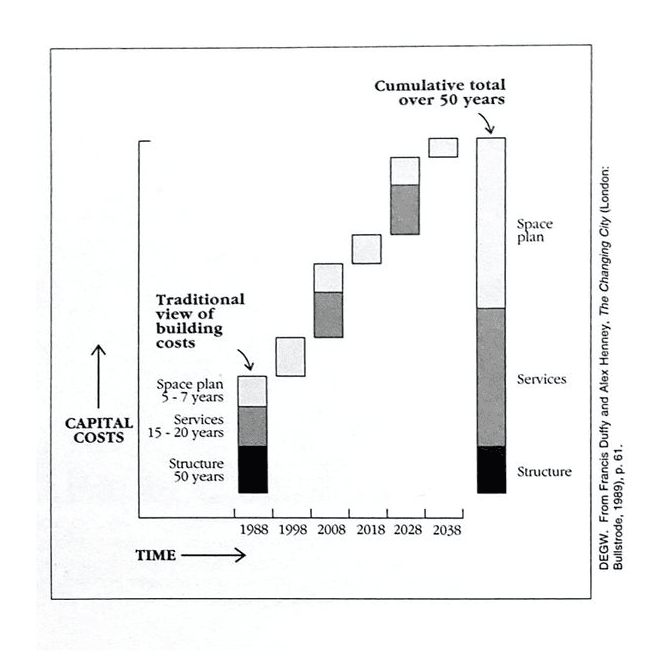
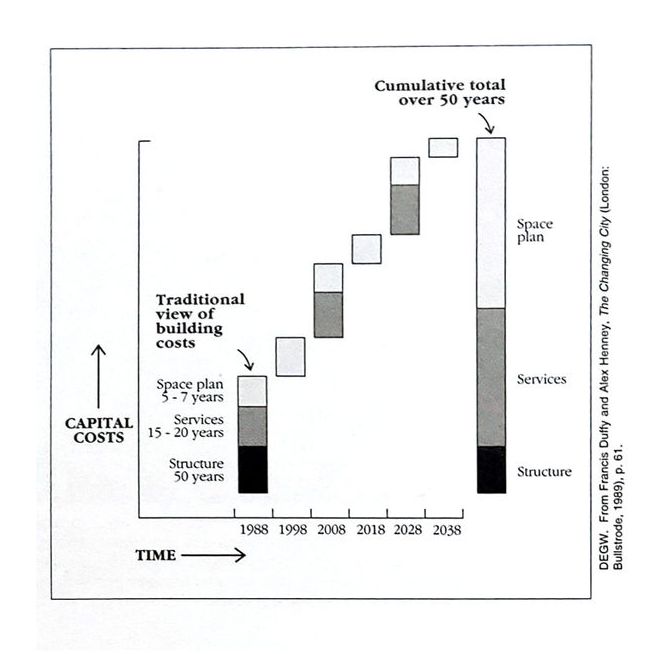
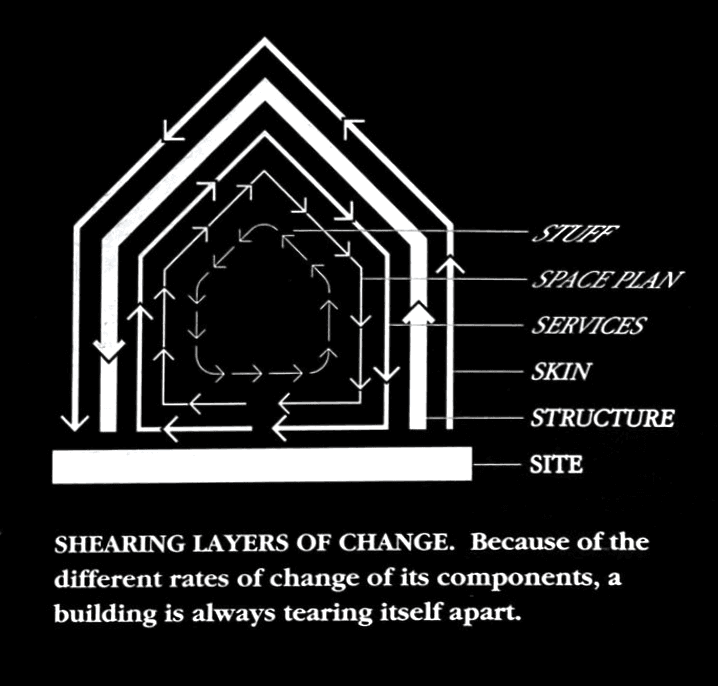
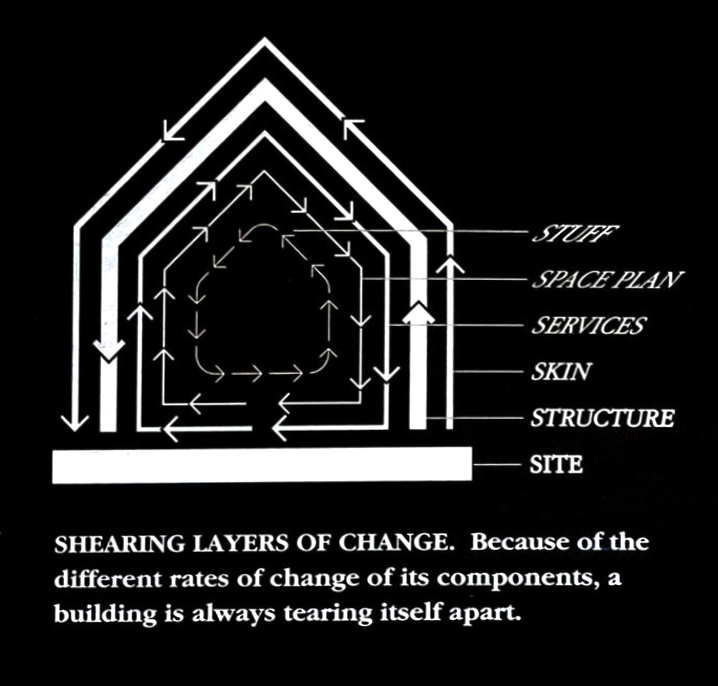
Shearing produces pressure.
Temporary is permanent, and permanent is temporary. Grand, final-solution buildings obsolesce and have to be torn down because they were too overspecified to their original purpose to adapt easily to anything else. Temporary buildings are thrown up quickly and roughly to house temporary projects. Those projects move on soon enough, but they are immediately supplanted by other temporary projects―of which, it turns out, there is an endless supply.
Brand, How Buildings Learn, p.28 (1995)
Pressure routes.
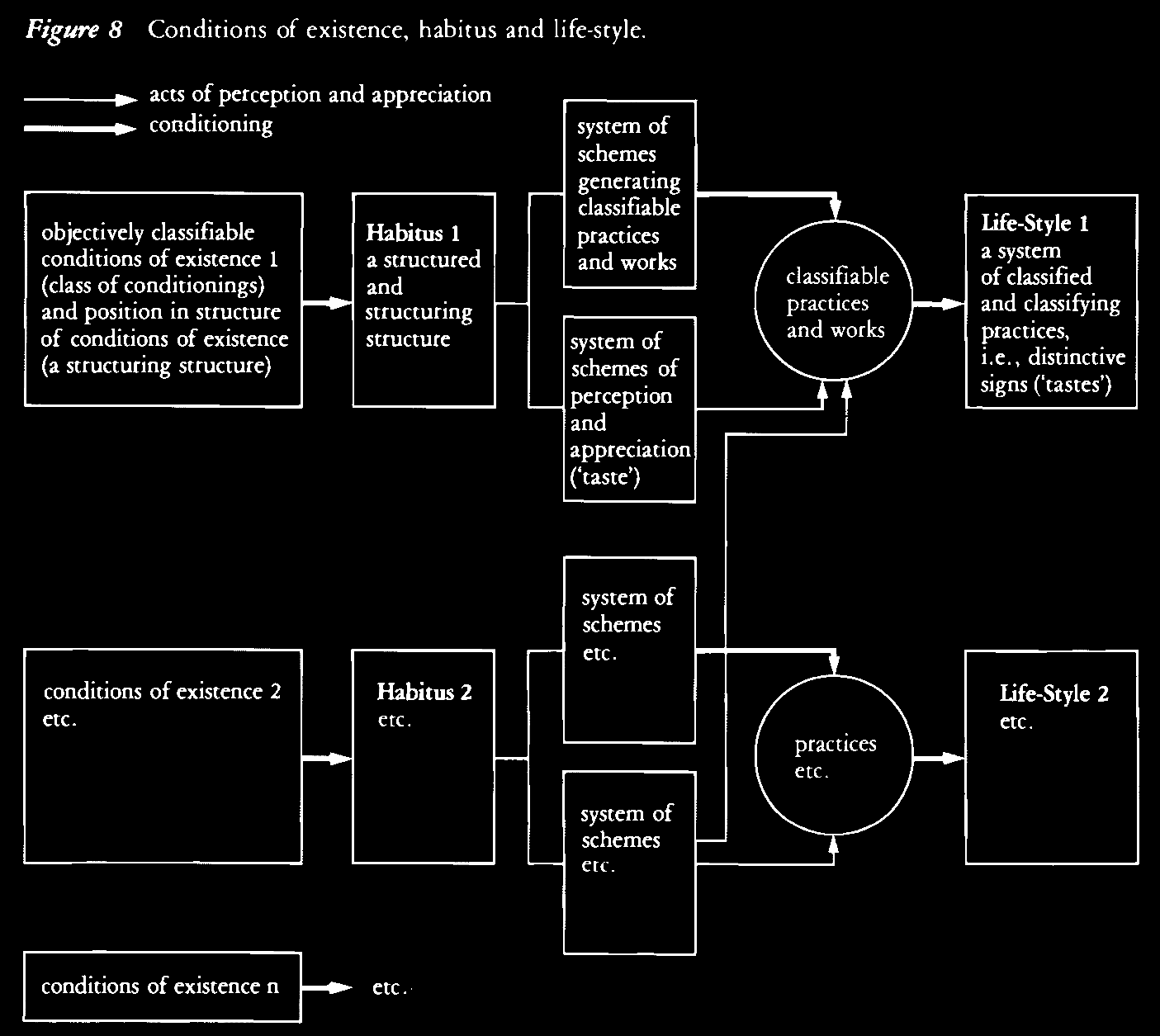
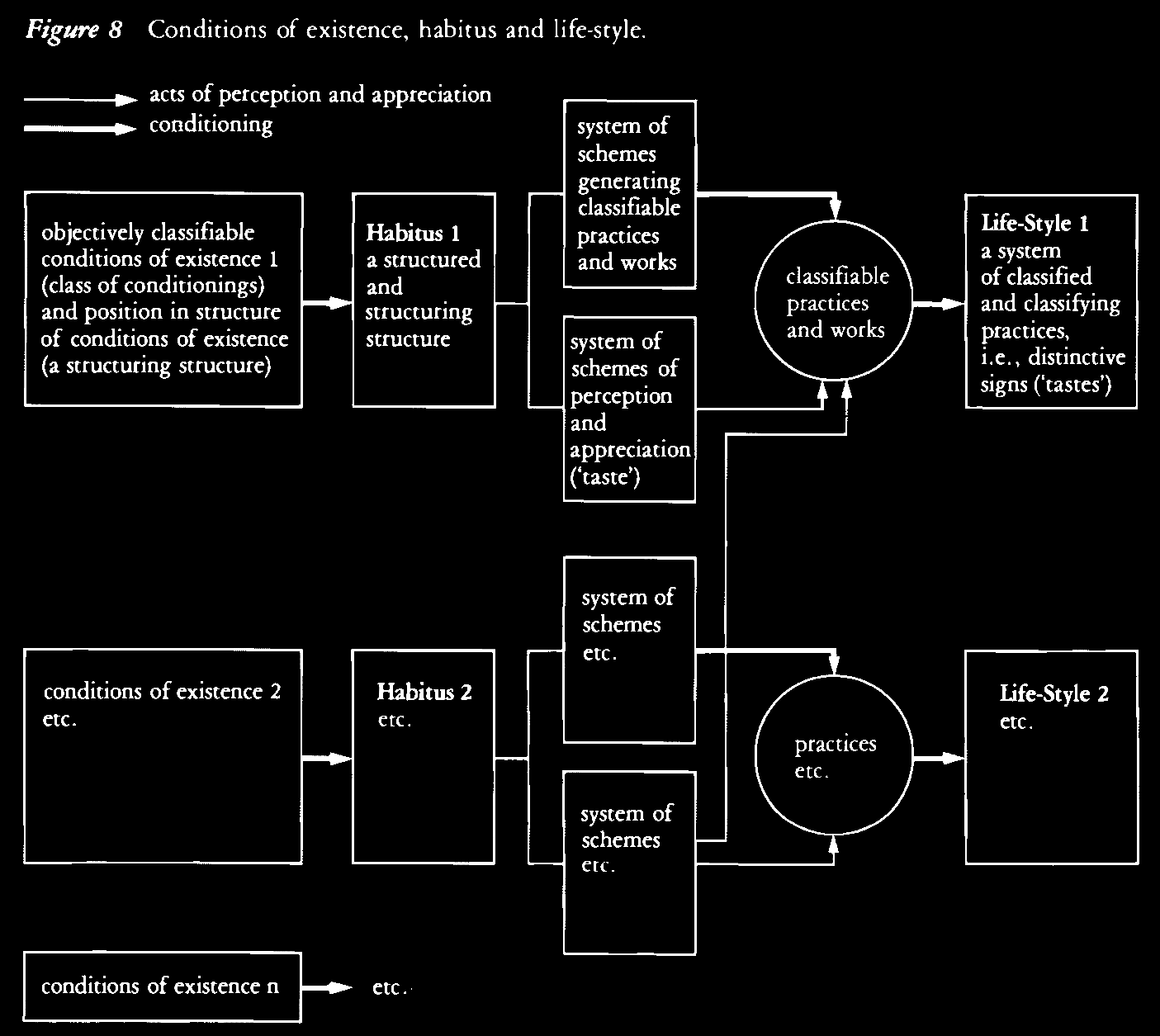
Bourdieu, Distinction, p.171 (1984)
Circulation rehearses,
…the habitus is constructed as the generative formula which makes it possible to account both for the classifiable practices and products and for the judgements, themselves classified, which make these practices and works into a system of distinctive signs.
Bourdieu, Distinction, p.170 (1984)
habitus laminates.
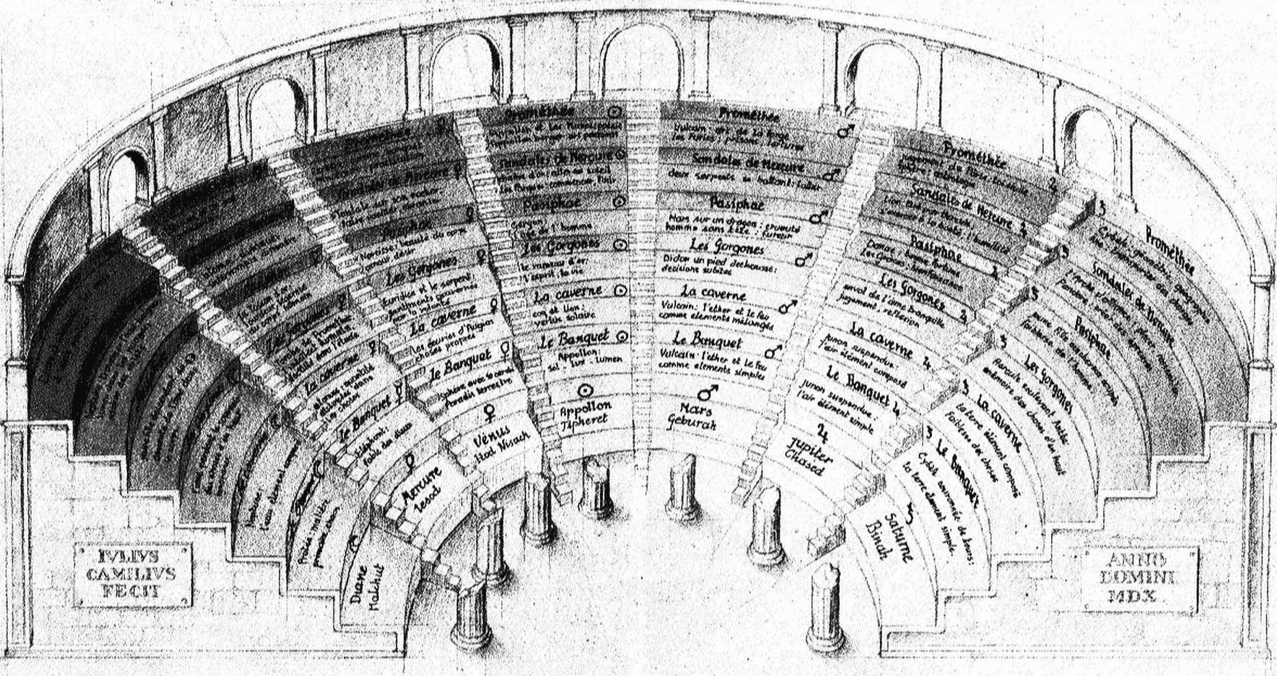
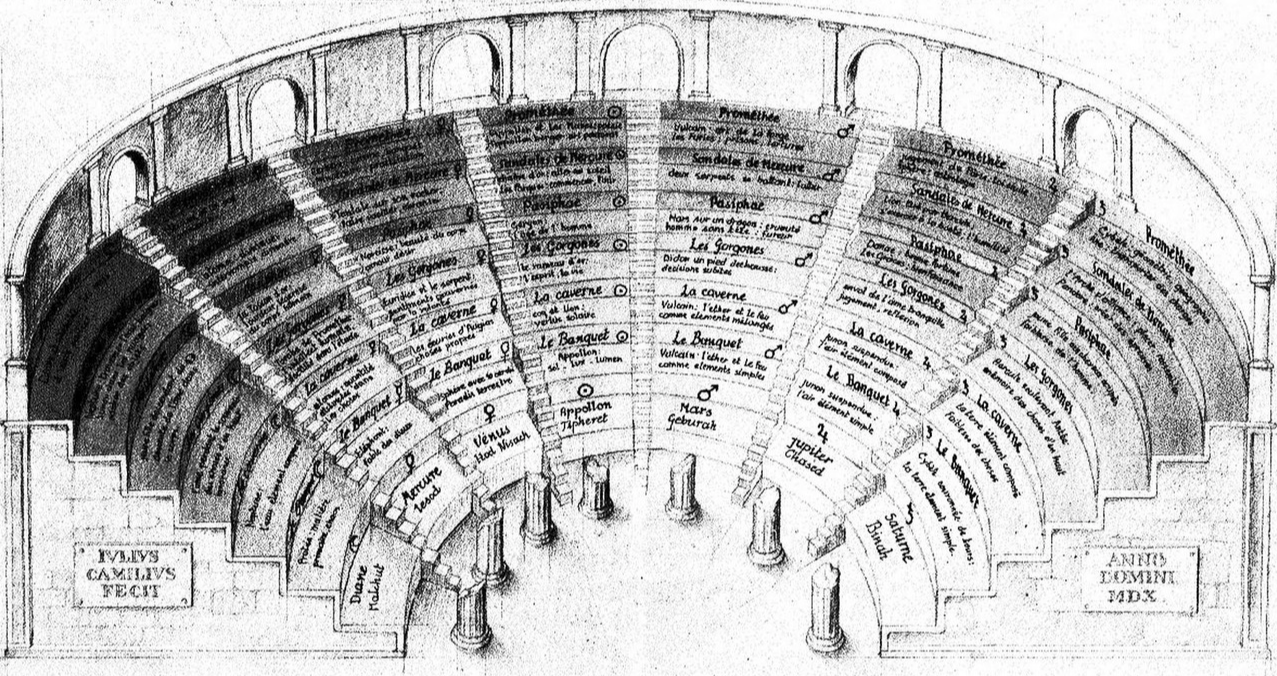
A rendering by an unidentified artist of Camillo's memory theater
What cannot be held through sequence,
I forgot myself at the Ice Carnival the other night. I was so absorbed in looking at it that I forgot what time it was and who and where I was. When I suddenly realized I hadn't been thinking about myself I was frightened to death. The unreality feeling came. I must never forget myself for a single minute. I watch the clock and keep busy, or else I won't know who I am.
Dooley, The Concept of Time in Defense of Ego Integrity, p.17 (1941)
is secured by position.
A further factor is the discontinuity in the temporal self. When there is uncertainty of identity in time, there is a tendency to rely on spatial means of identifying oneself. Perhaps this goes some way to account for the frequently pre-eminent importance to the person of being seen. However, sometimes the greatest reliance may be placed on the awareness of oneself in time…This is especially so when time is experienced as a succession of moments.
Laing, The Divided Self, p.109 (1960)
Repeatable positions,
…But I who am bound by my mirror
as well as my bed
see causes in color
as well as sex
and sit here wondering which me will survive
all these liberations.
Audre Lorde, Who Said it Was Simple (1973)
POSITIONS ONE CAN RETURN TO.
THE ROOM REMAINS,
To accept the unknown factors in oneself, this is obviously a terrific task. It’s easier to make oneself into a magical lantern and project them on to the screen of an outer world of gods and giants…why not ritualize my knowledge of my own smallness and make it a bearable thought?
Milner, An Experiment in Leisure, p.46 (1937)
In a world full of danger, to be a potentially seeable object is to be constantly exposed to danger. Self-consciousness, then, may be the apprehensive awareness of oneself as potentially exposed to danger by the simple fact of being visible to others. The obvious defence against such a danger is to make oneself invisible in one way or another.
LAING, THE DIVIDED SELF, P.109 (1960)
THE ROOM TRAVELS.
…to follow up passions, then, every little passion for a flower or a shell or a wild duck, is it collecting all your scattered self?
Milner, An Experiment in Leisure, p.175 (1937)
For out of the abundance of the heart his mouth speaks.
Luke 6:45
Find the analogy, deep in your nature.
Draw the line. Where it lands, decide its place.
Inside, easy—outside, then what?
Form it into structure. Fix its purpose in place.
Now, find the cup.
Ask: for whom does it wait?
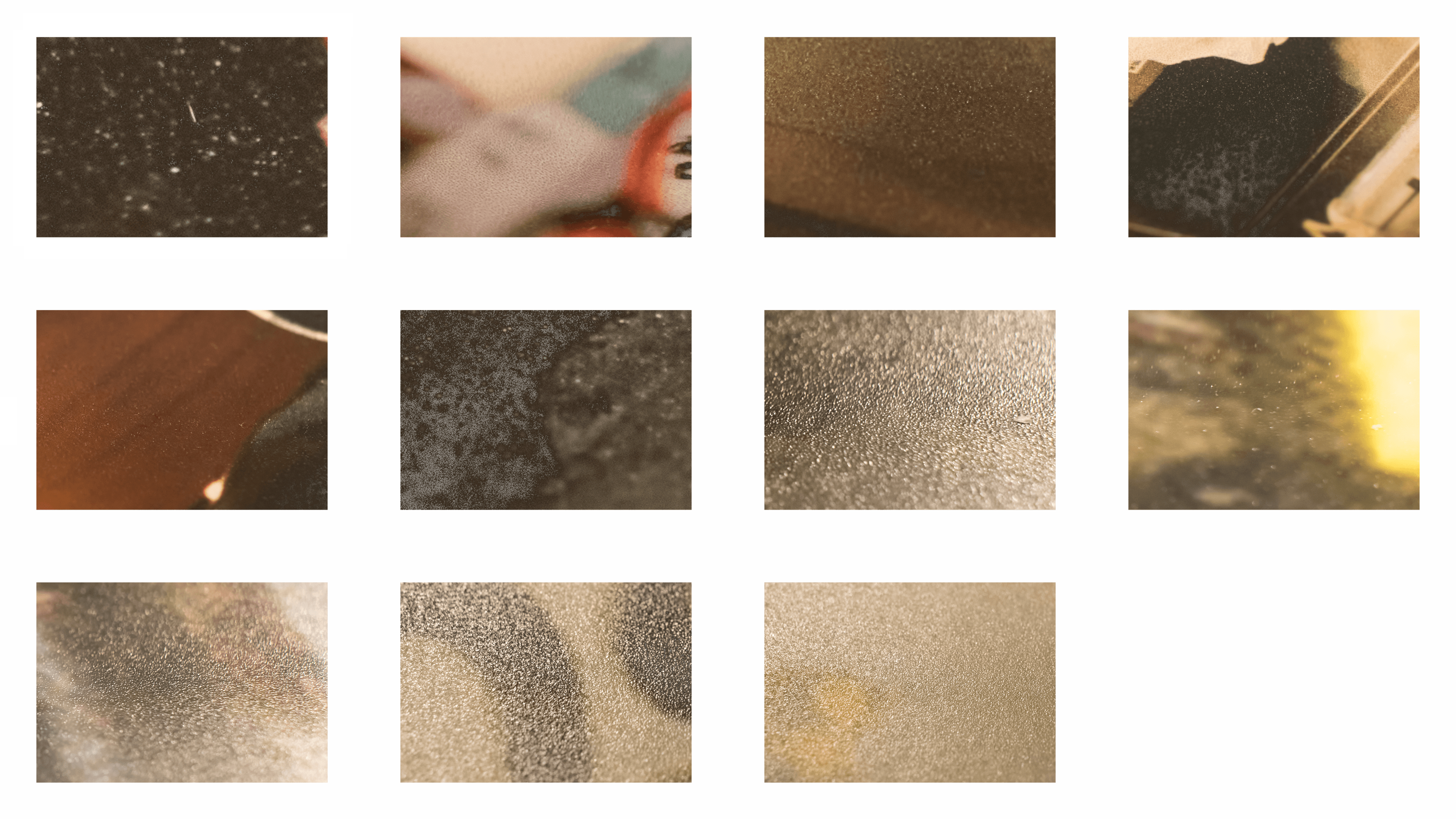
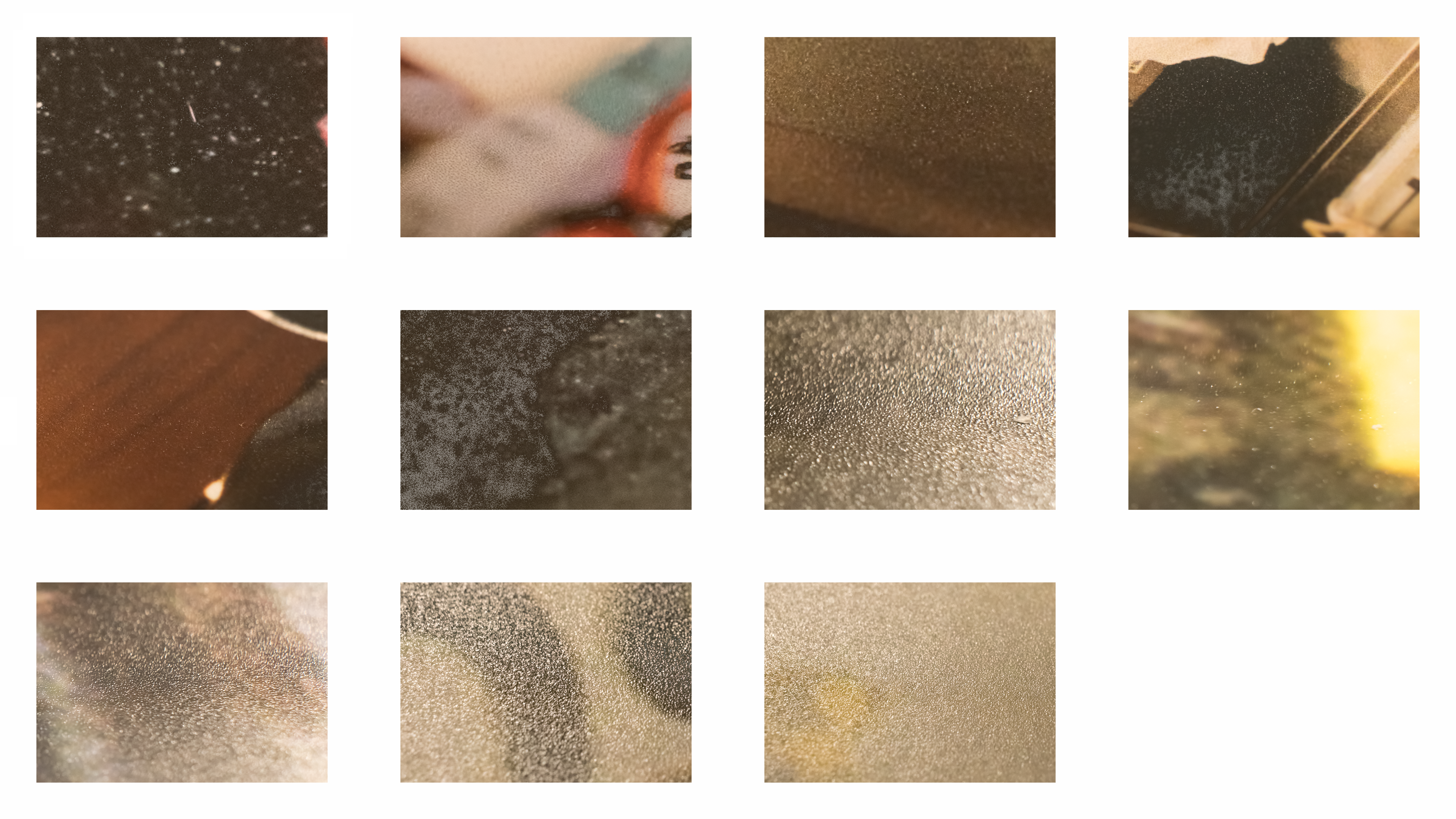
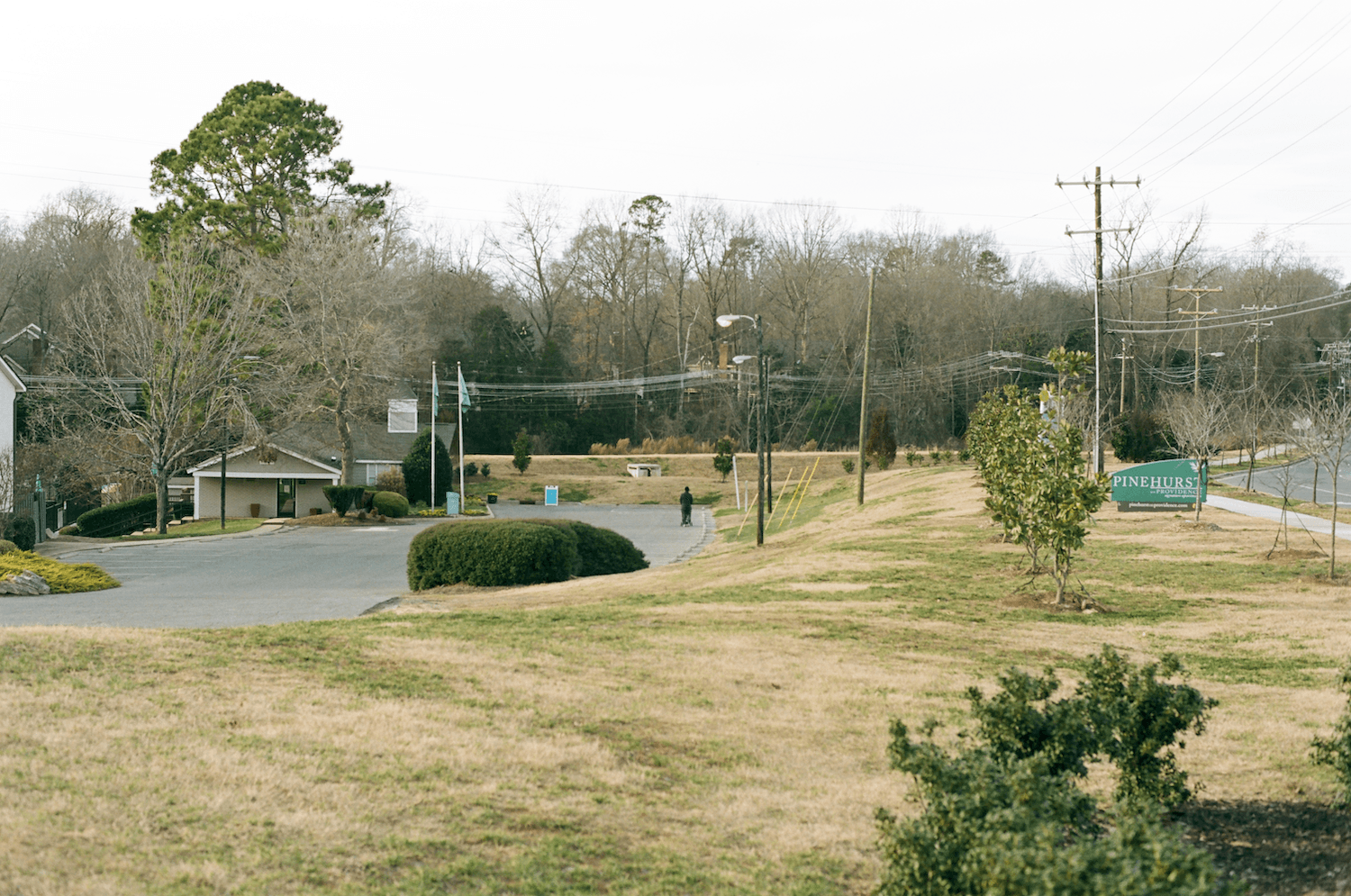
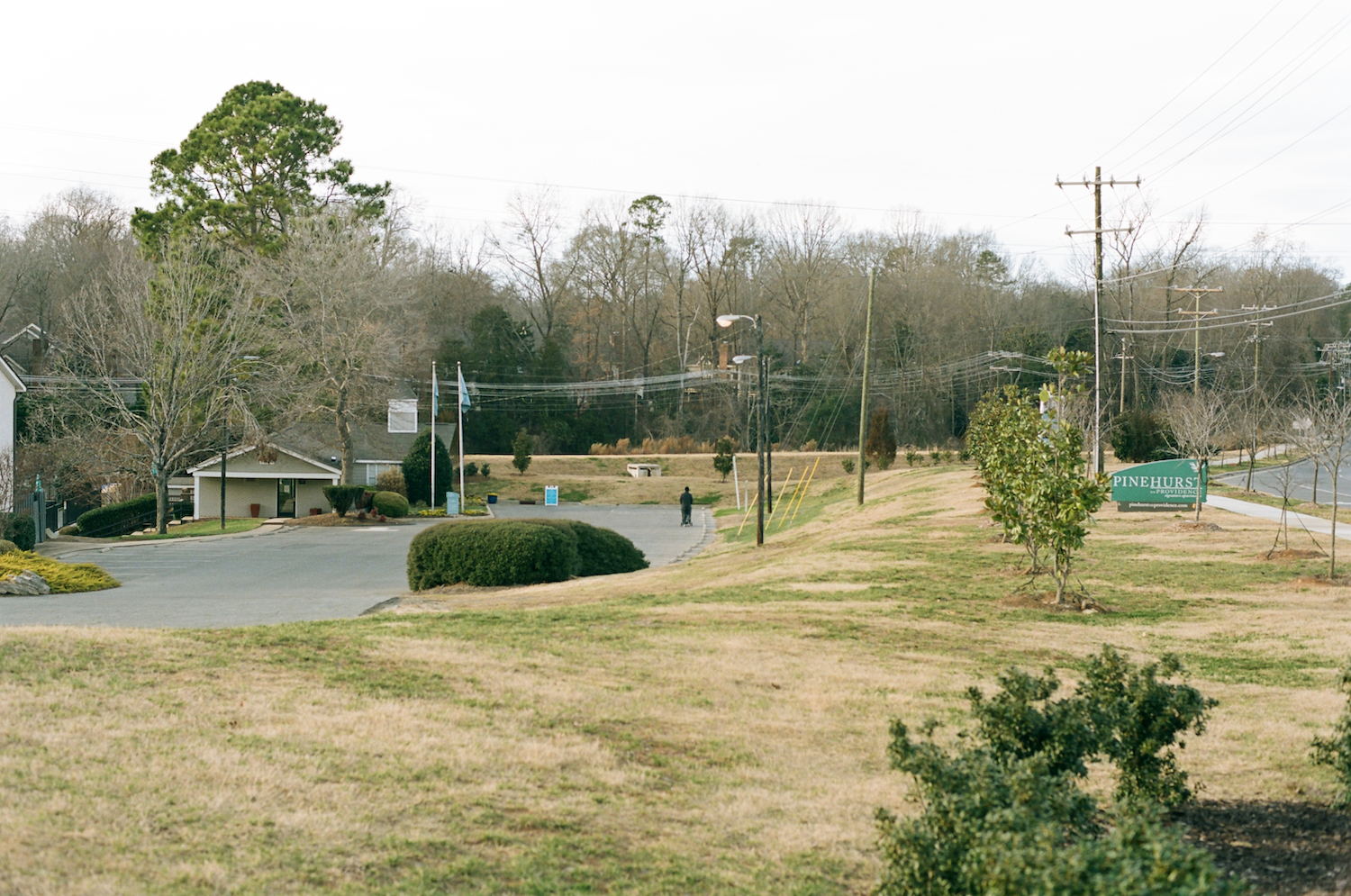
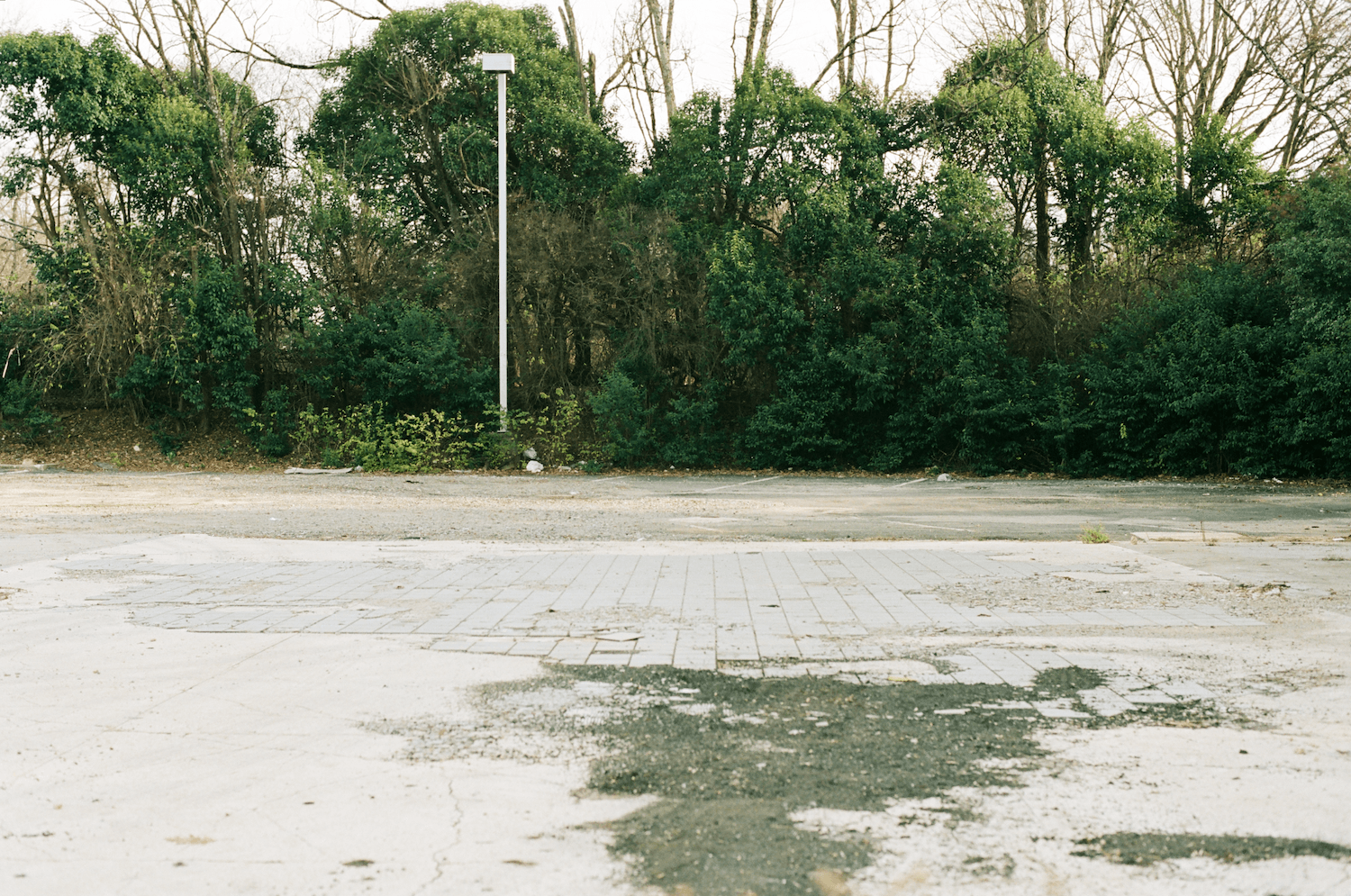
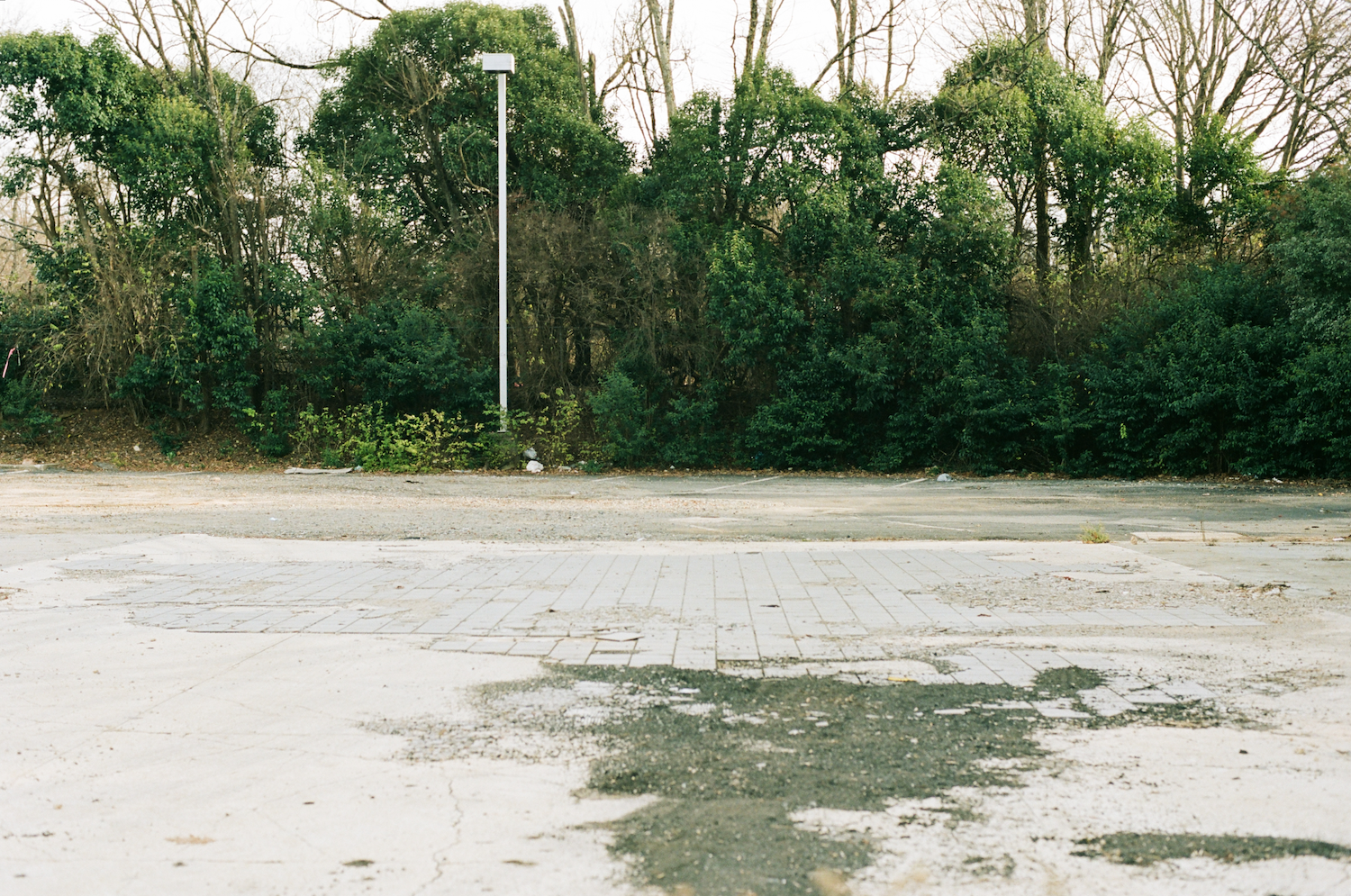
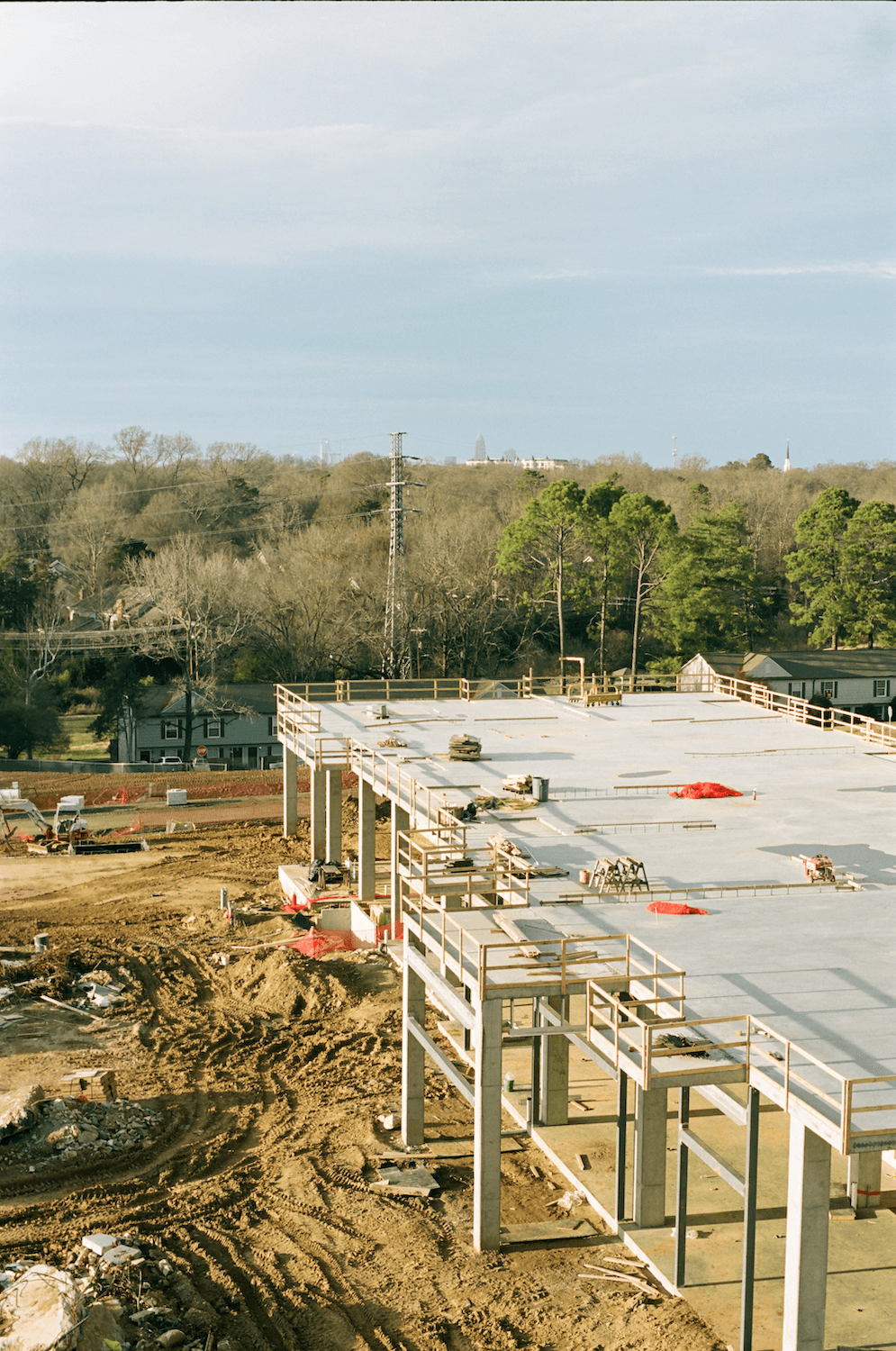
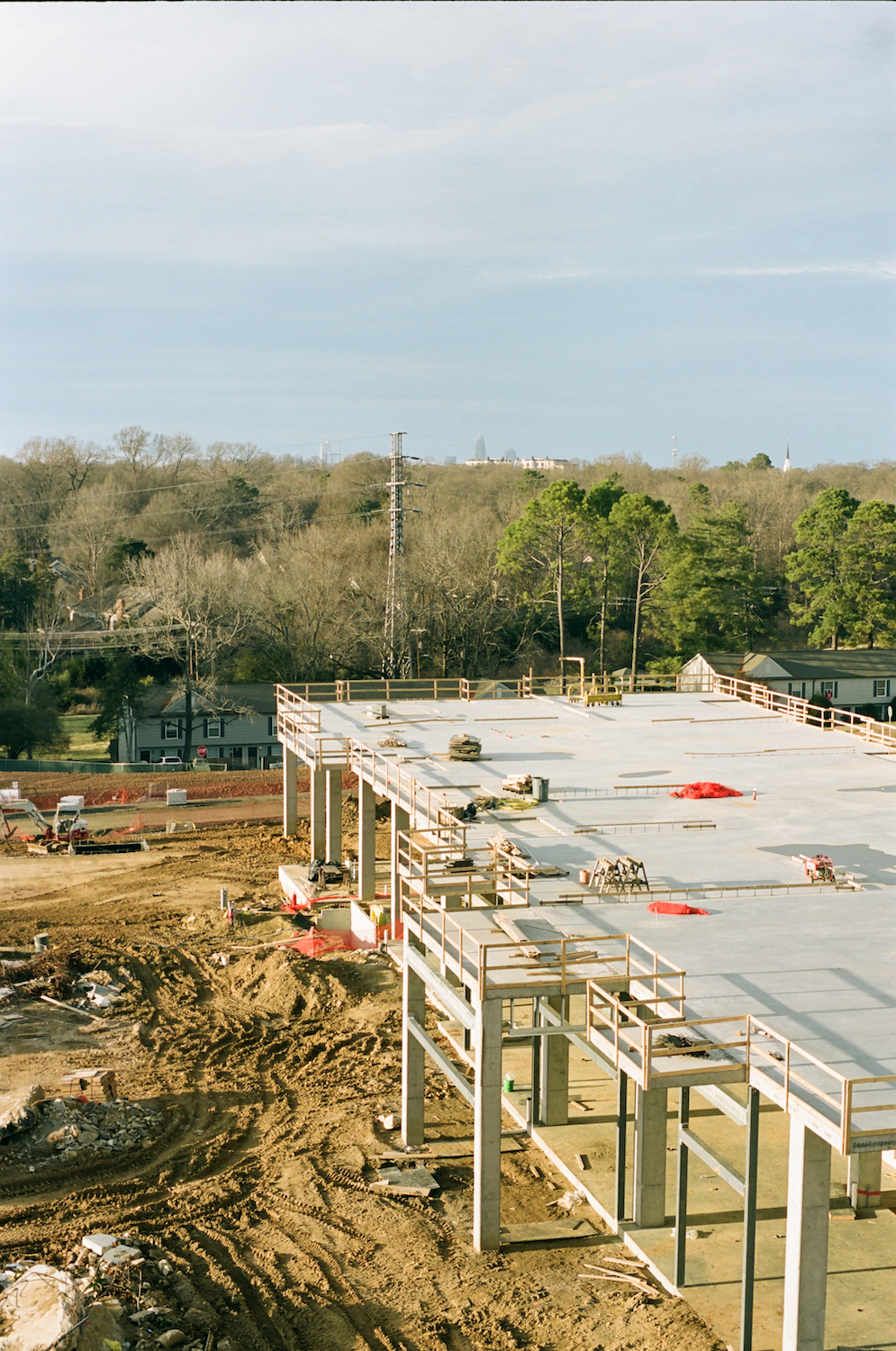
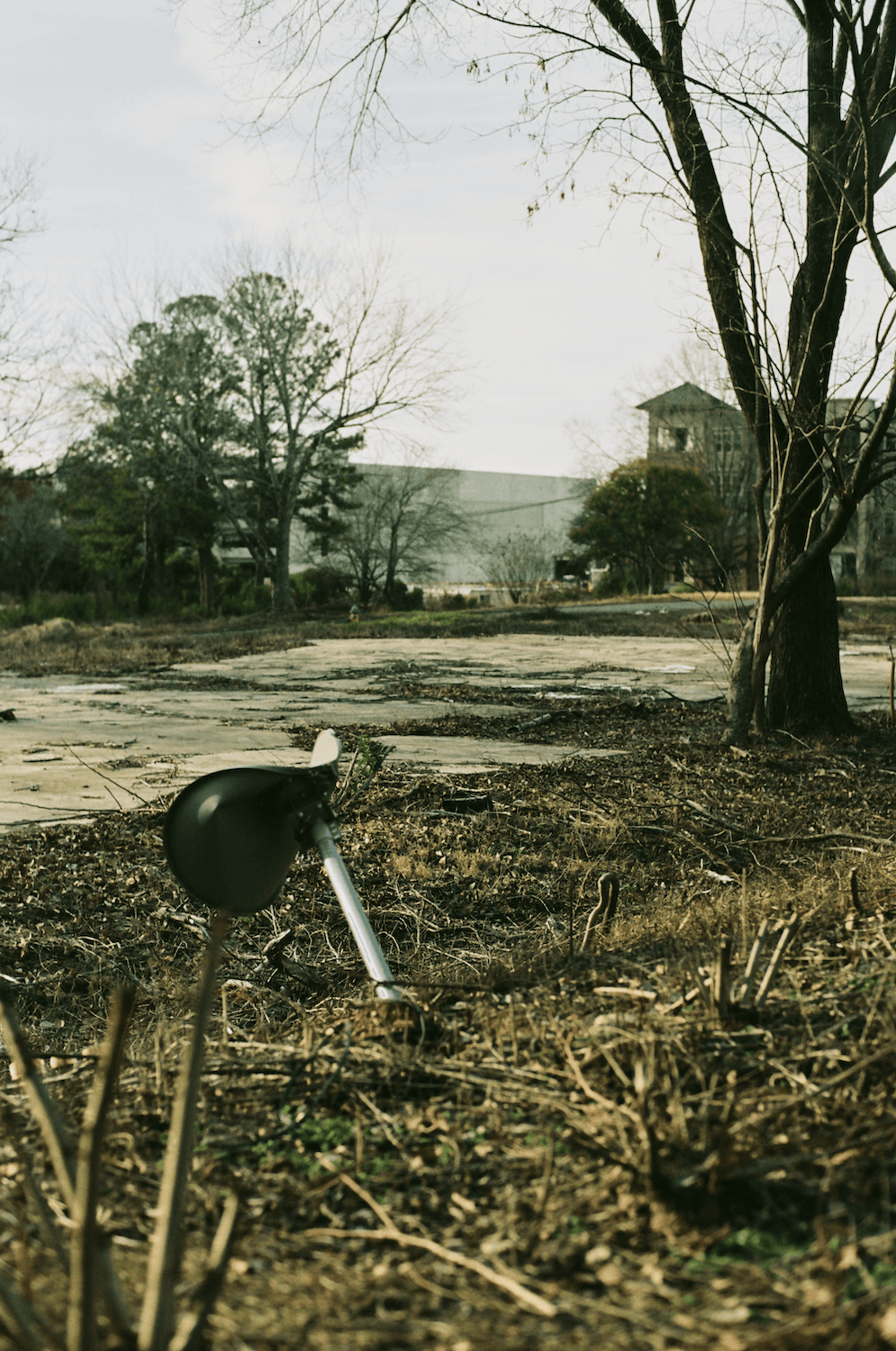
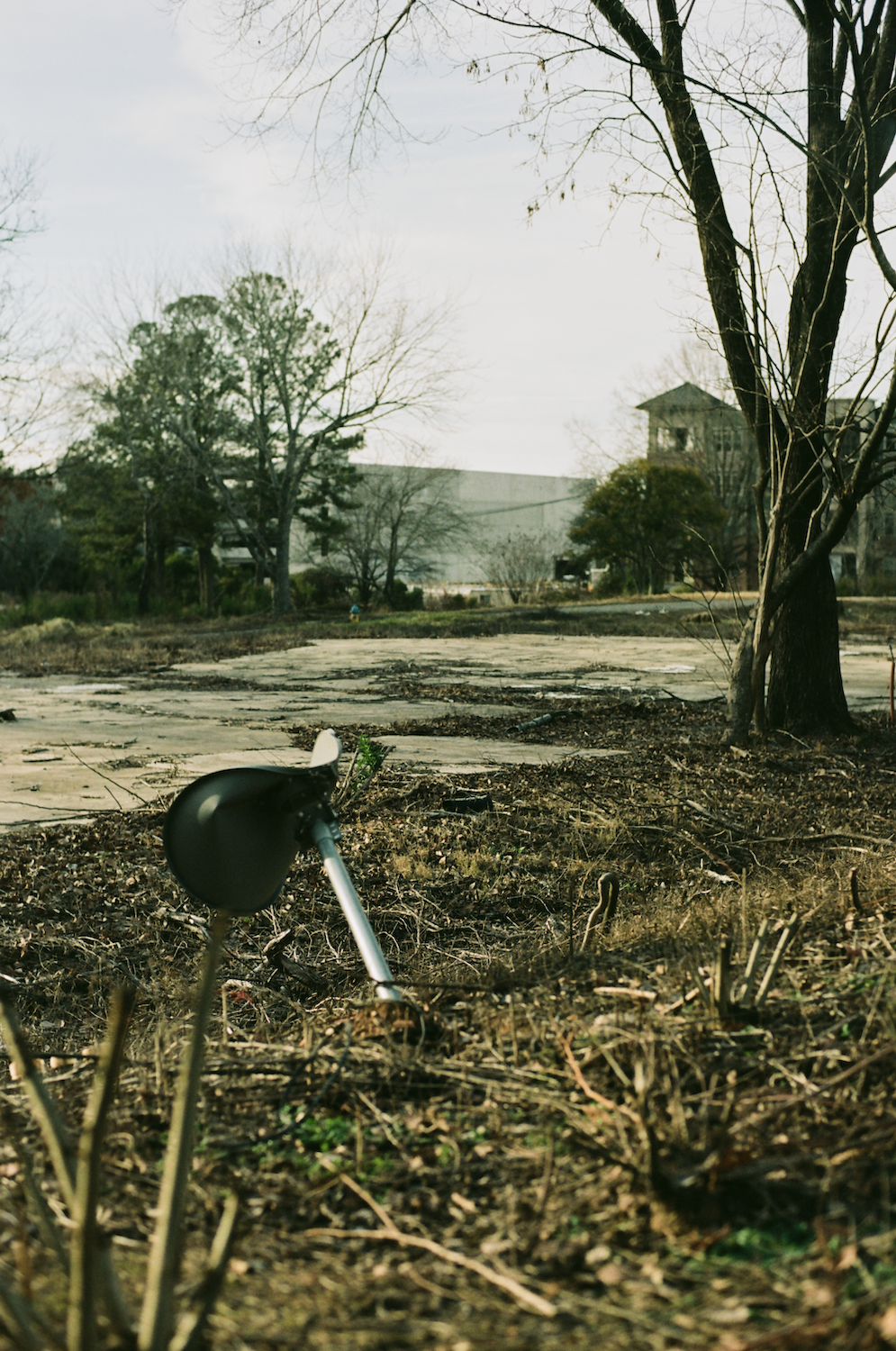
I come here to reminisce about when we’d steal lighters from the 7-11 and smoke cigarettes around the bend where the waste water meets the creek. How far up we dare to crawl, what we stepped in. Up a little further was the complex on the corner. It's been empty for nearly a decade.
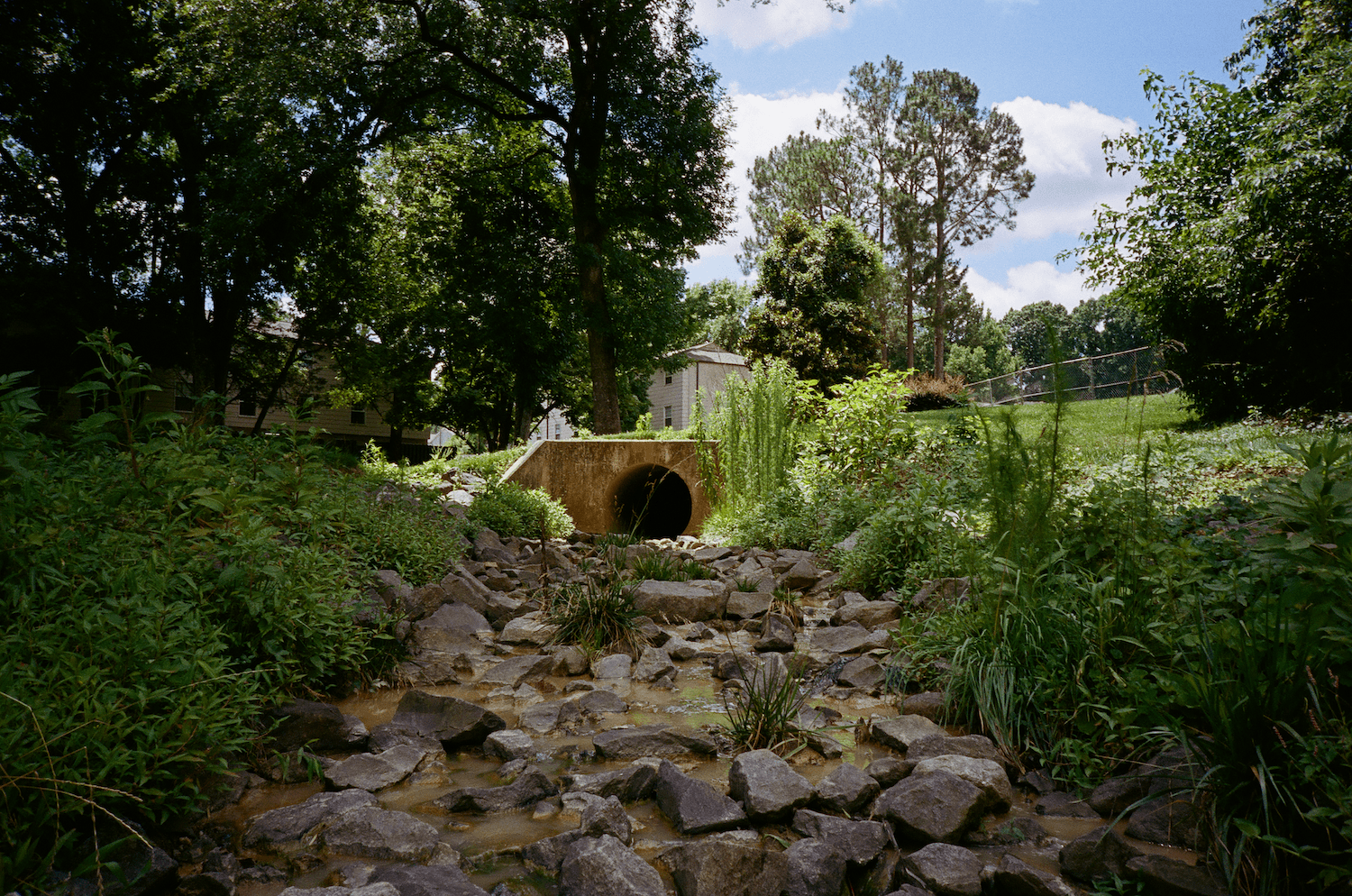
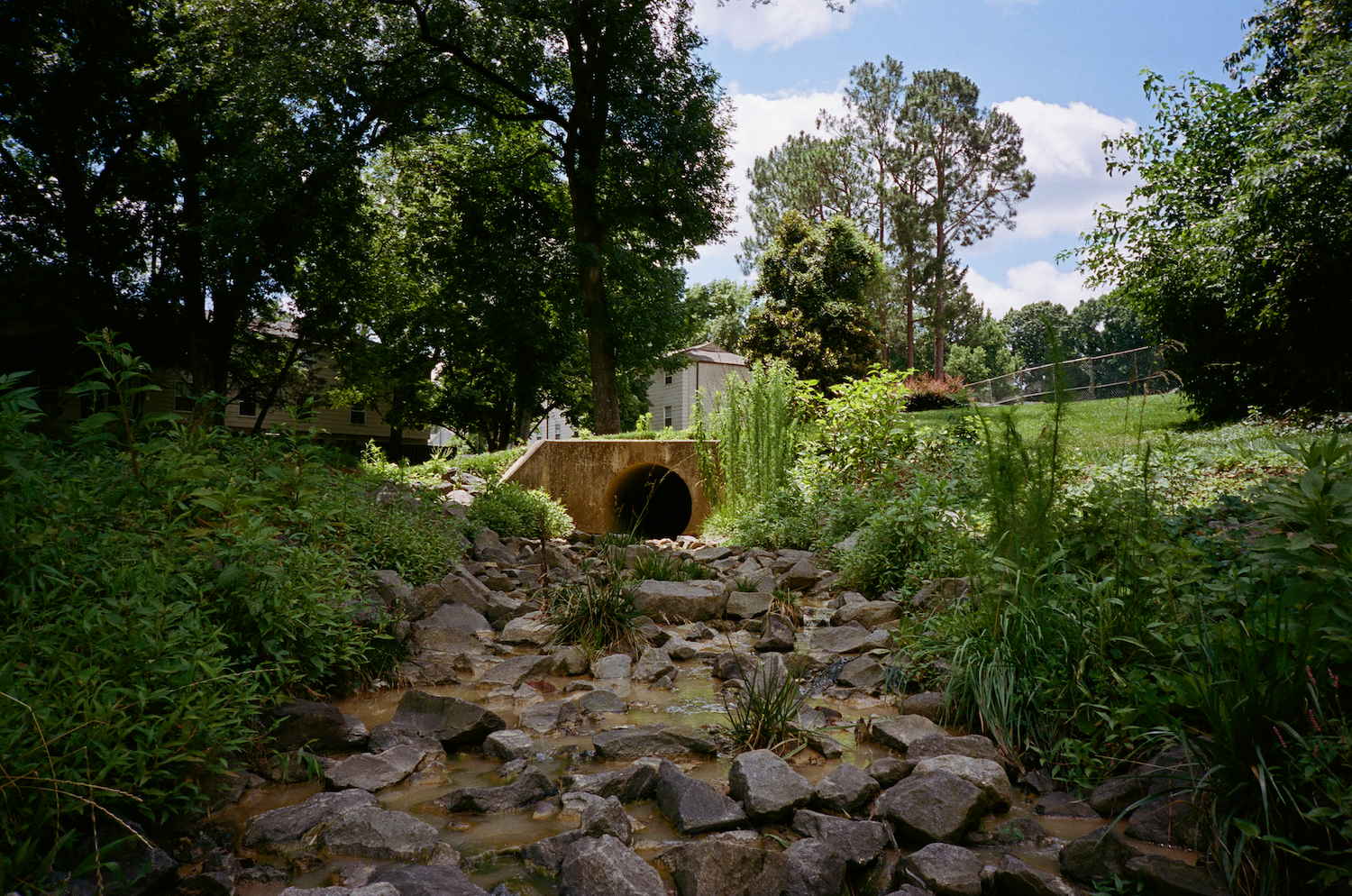
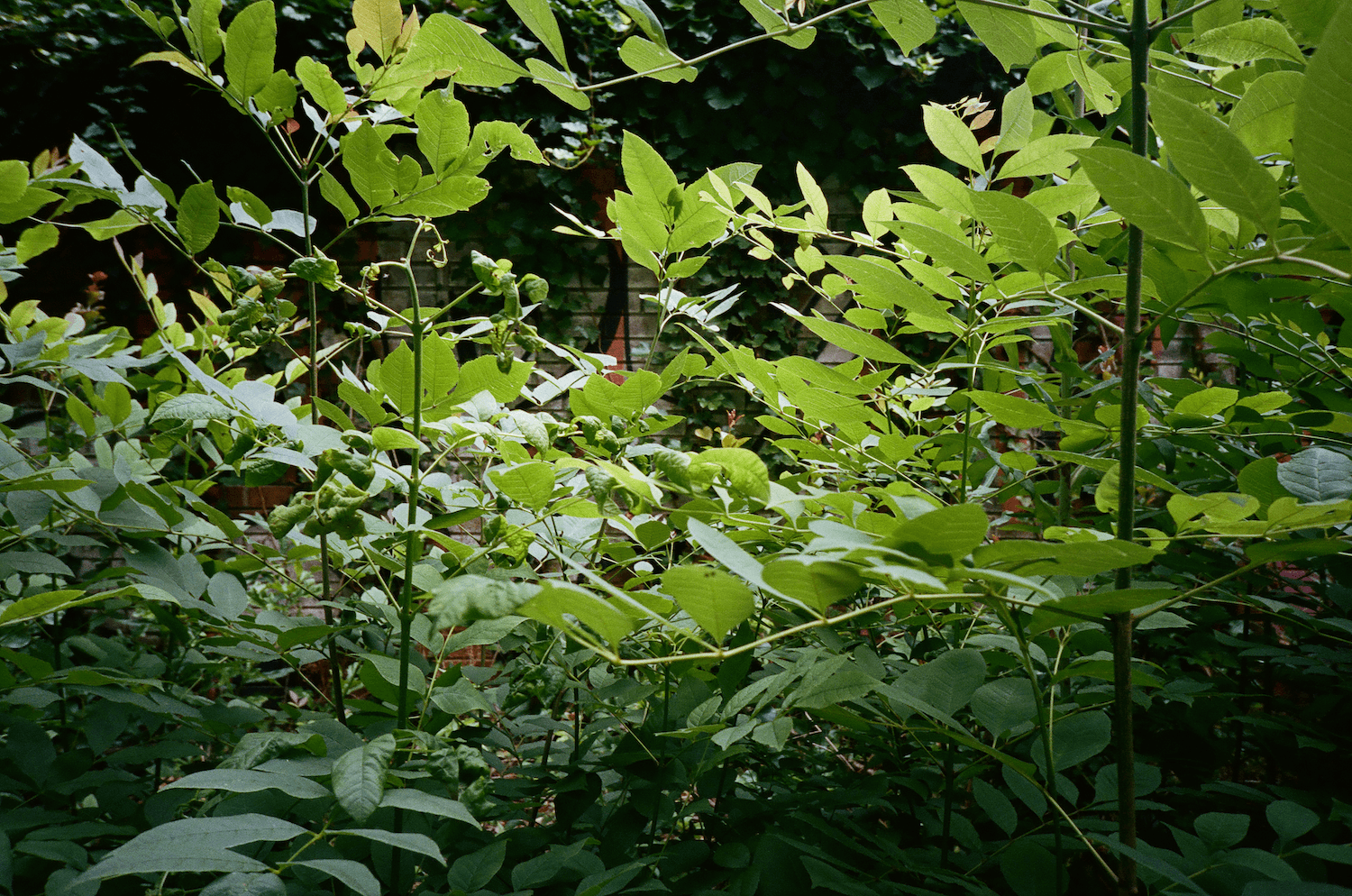
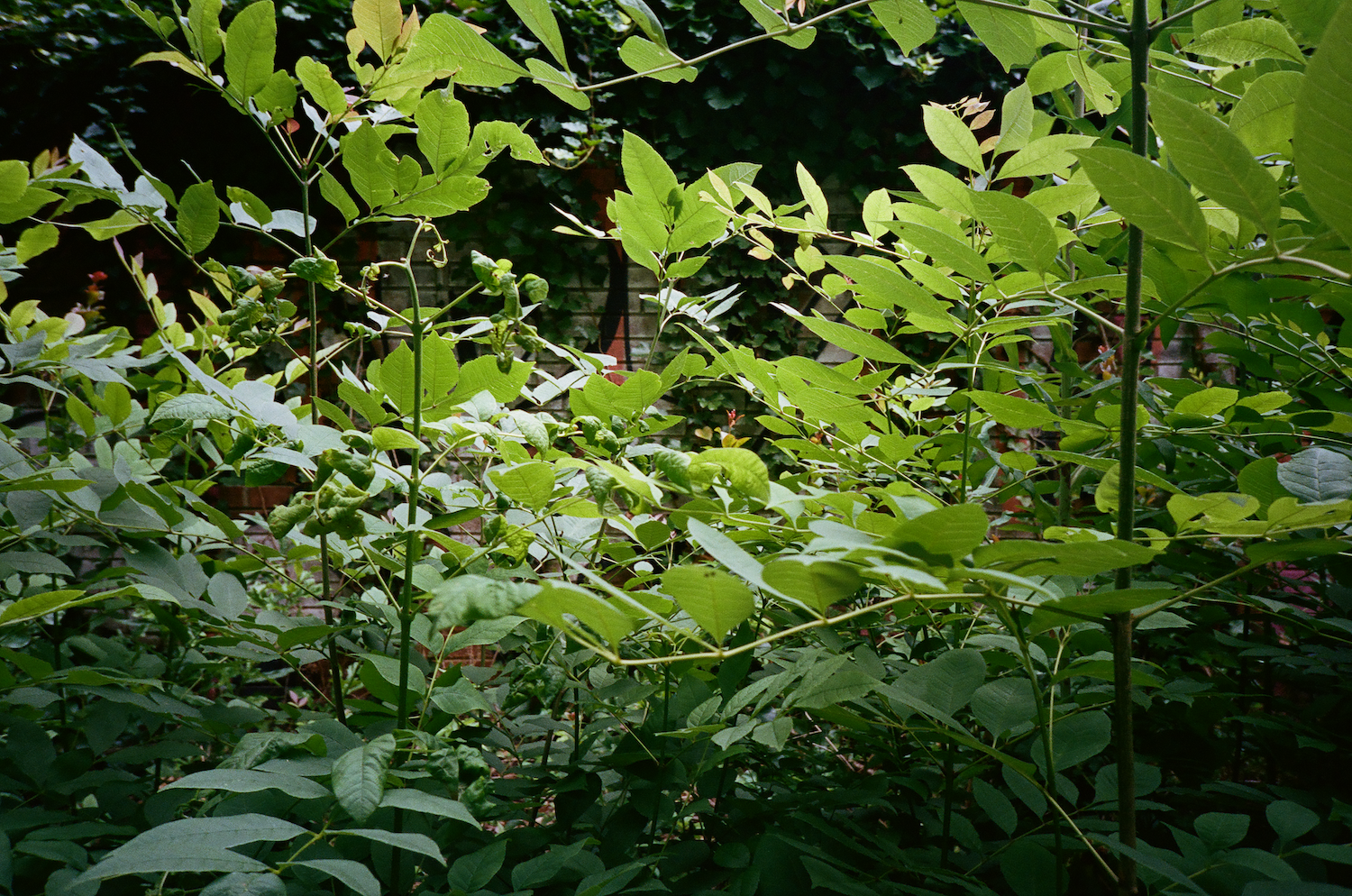
Back to the 7-11, this time for SoBe, the one with the lizard we all share. Glass bottles floating in the pool, the radio blasting, Joey doing the macarena. He and Davis later worked the butcher counter across the street. Joey Sr. had all the games, but Michelle, Michelle, Michelle, will you please take us to the South Park movie?
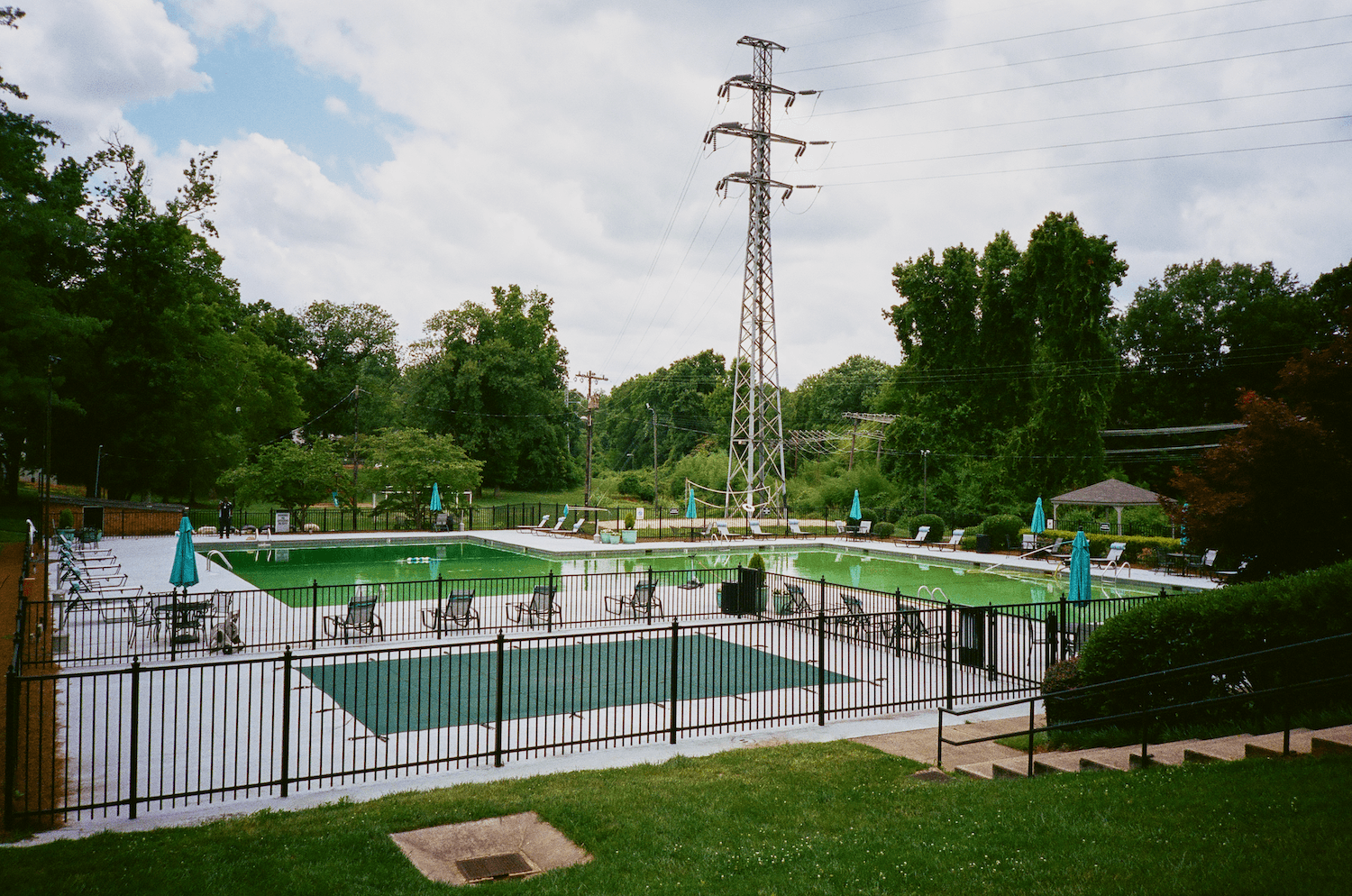
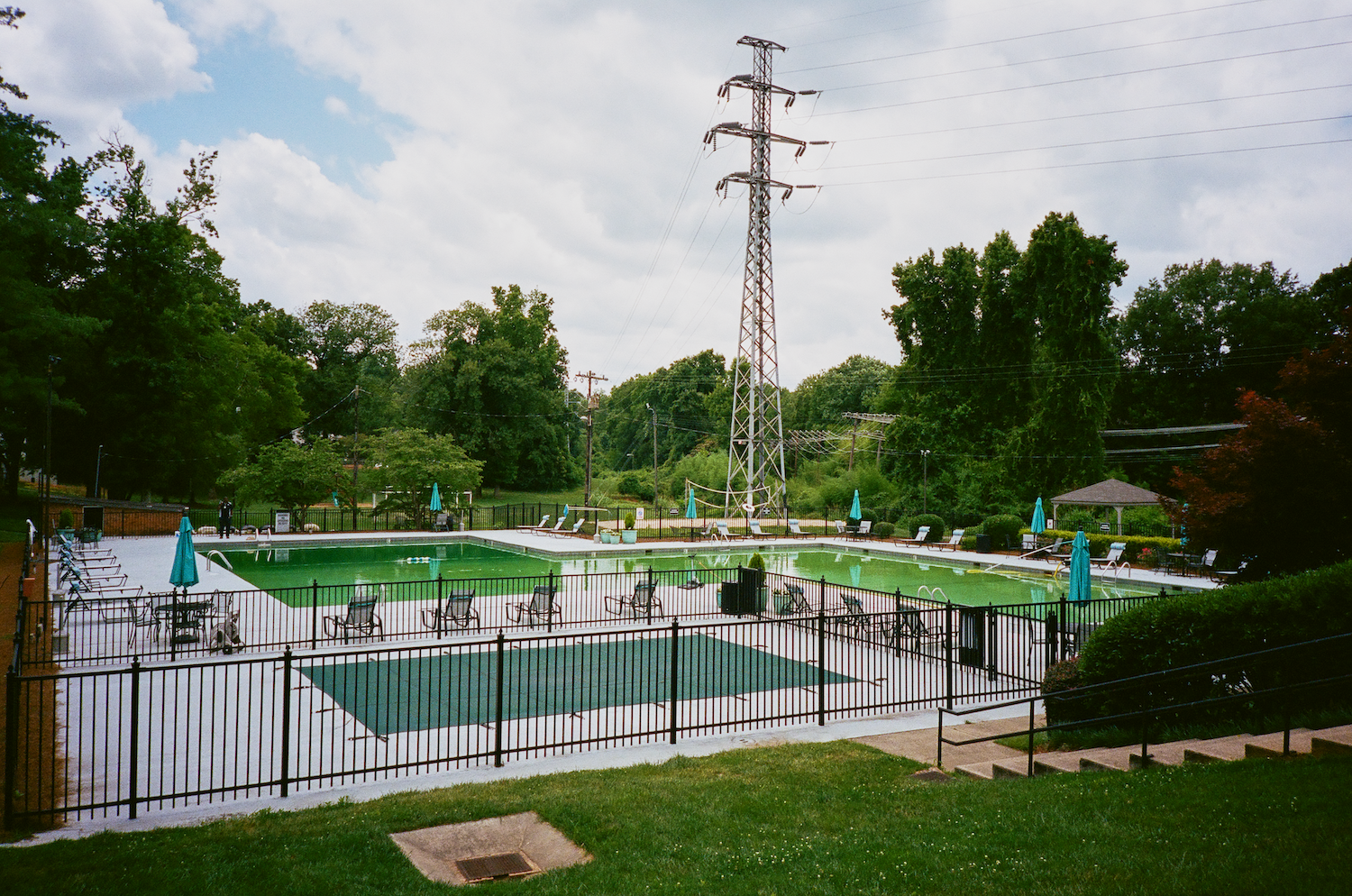
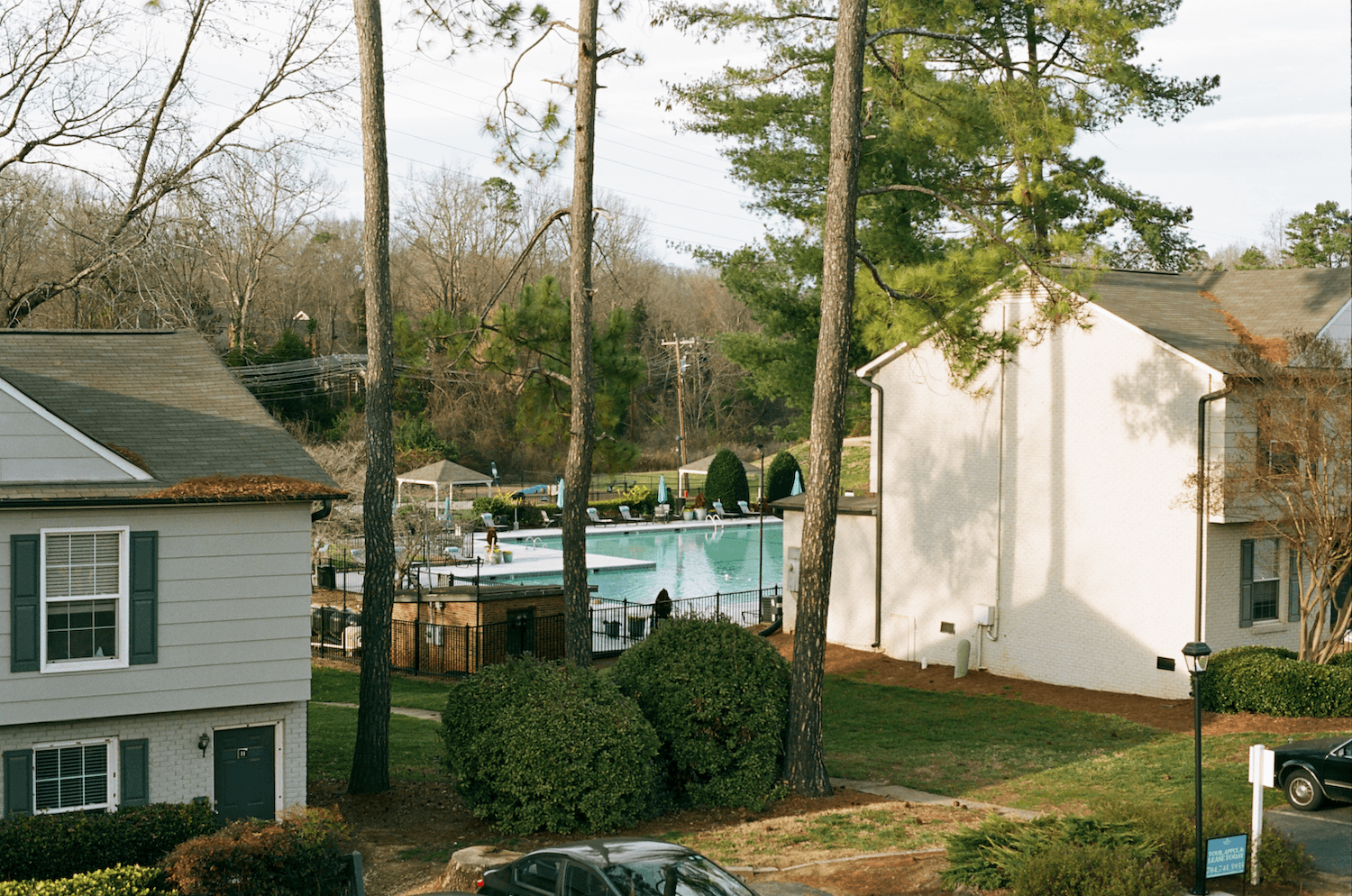
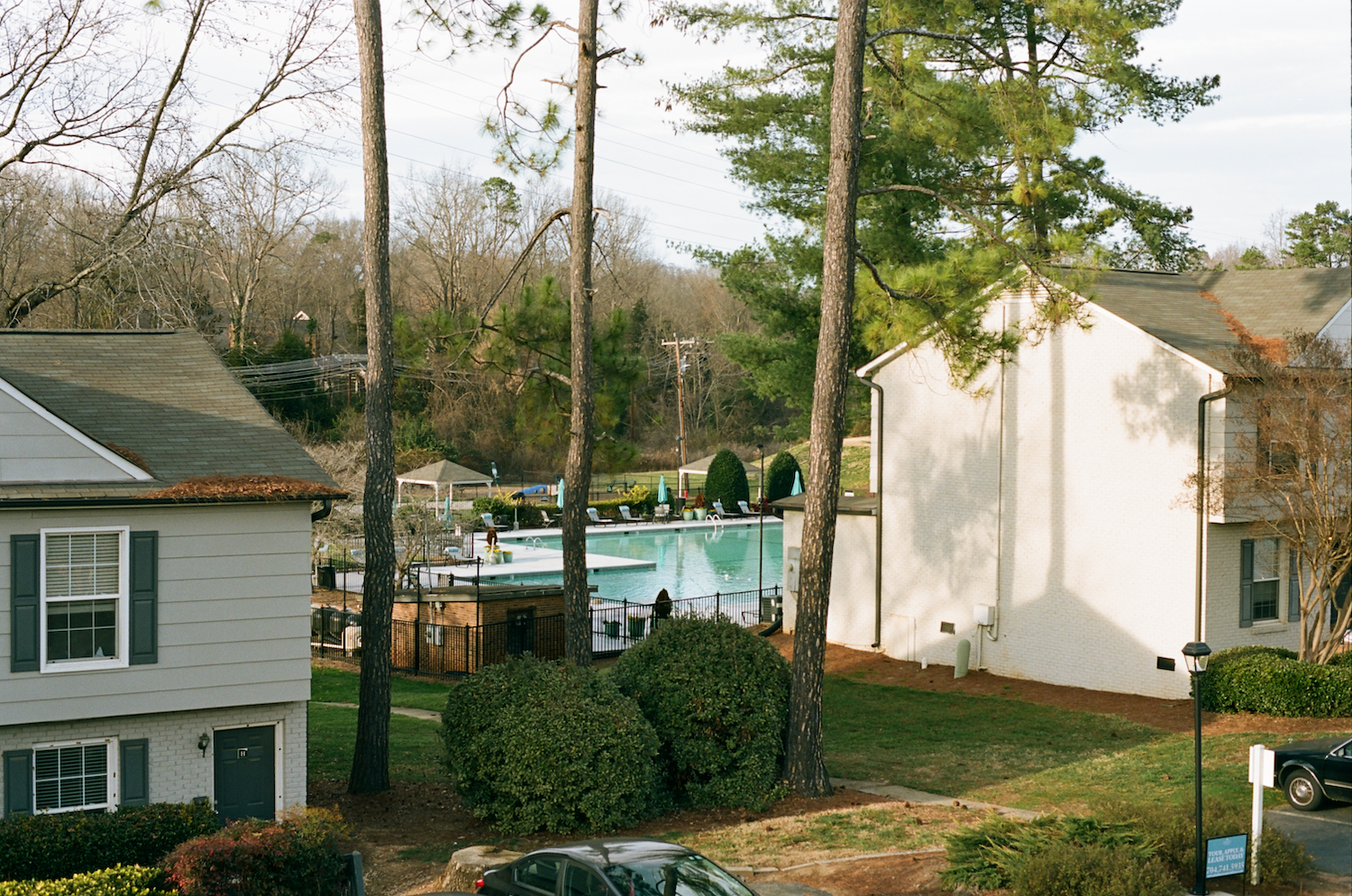
We get kicked out in the first 20 minutes from the theater, no matter. Alex's older sister rents Fight Club. We stole her cigarettes. She was cute and the apartment smelled like cheese. No match for gold bond and dial-up, we were all thinking it.


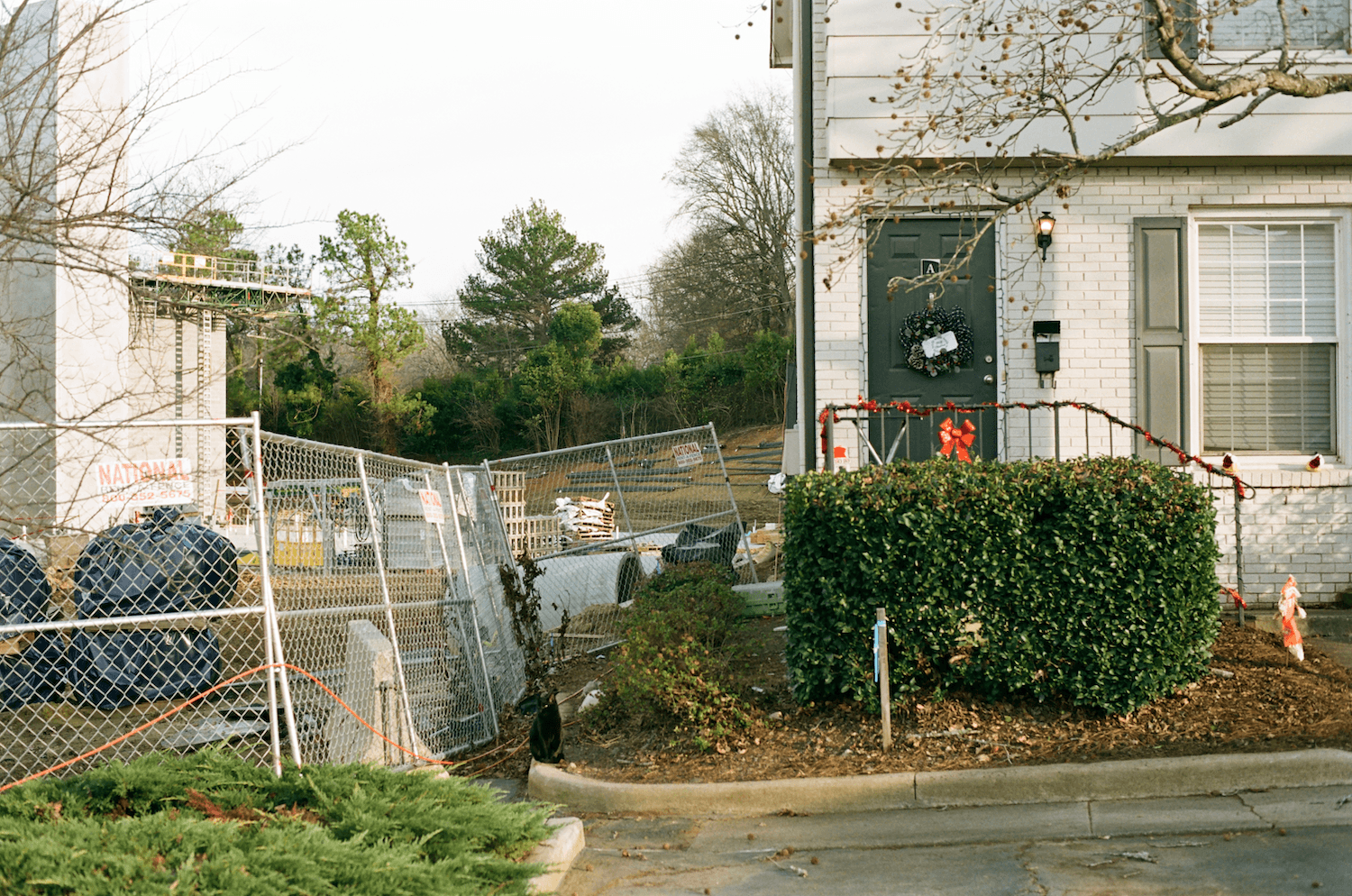
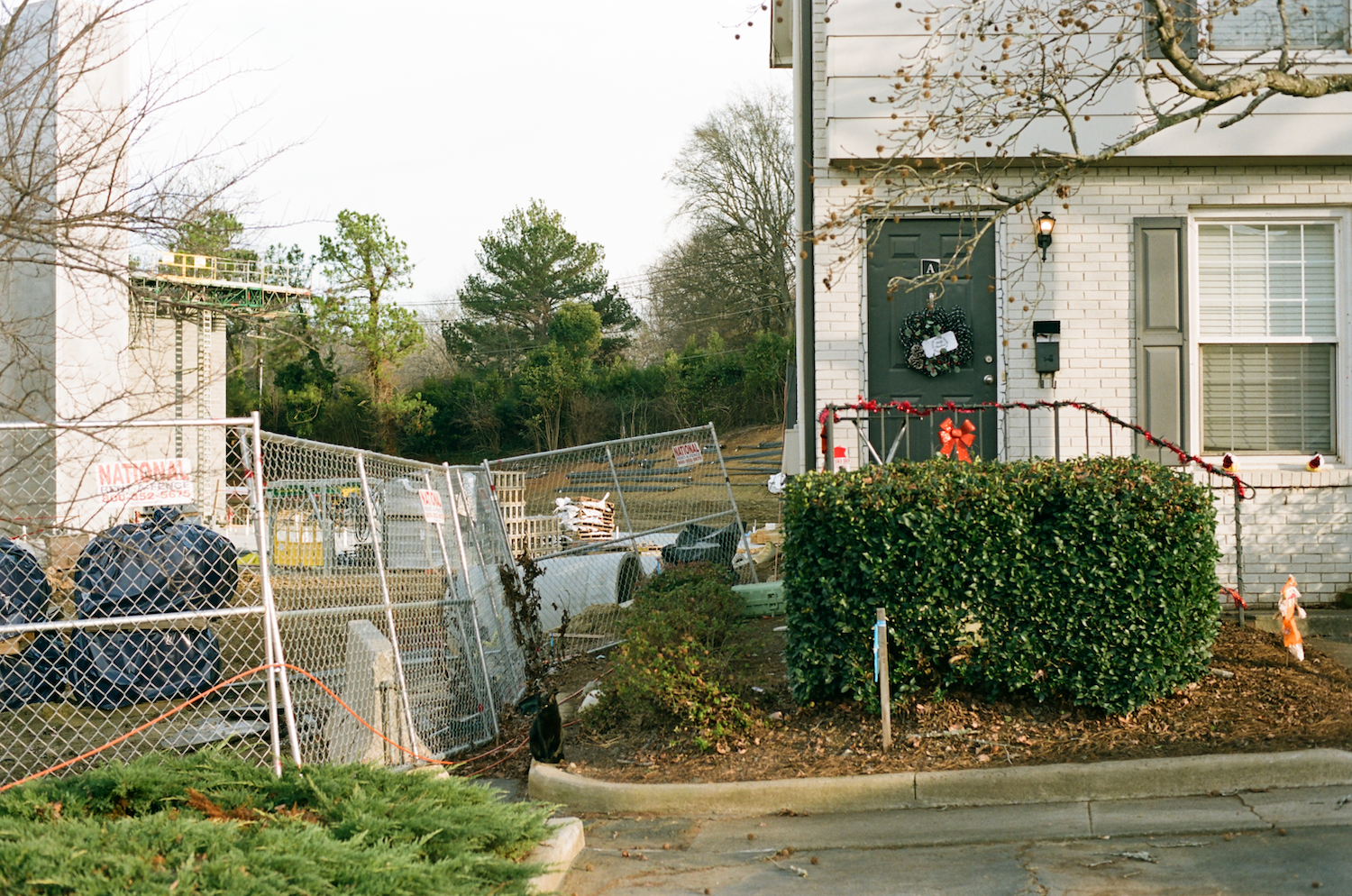
Blake's dad made us do pushups on the tennis court. Boy was I scrawny. On his roof there were no war games, no comic books, no spiderman. One time we turned a skateboard into snowboard, that didn't work out too well. Not like flying off our bicycles to catch onto a low branch. At least mom made us wear helmets.
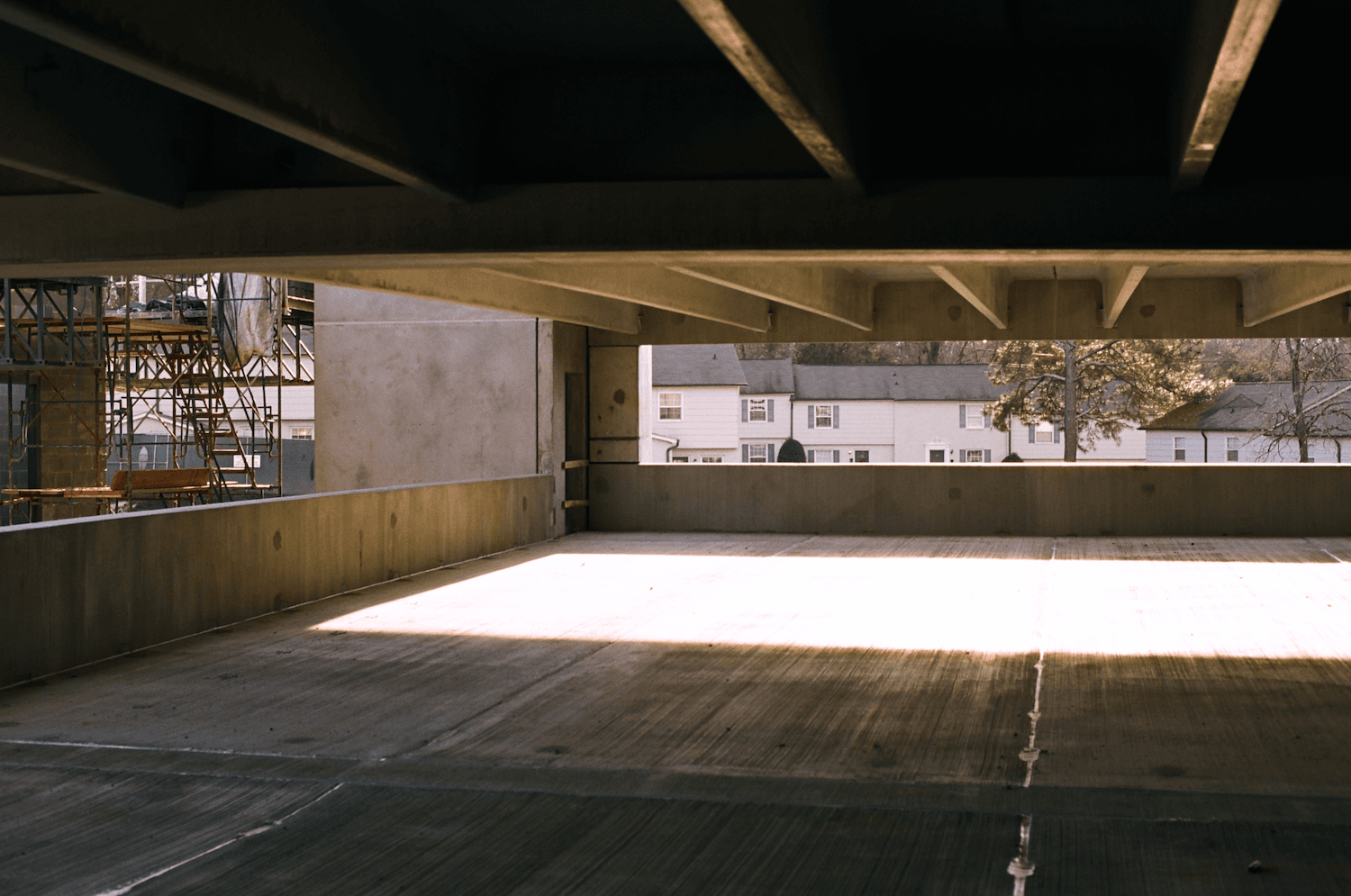
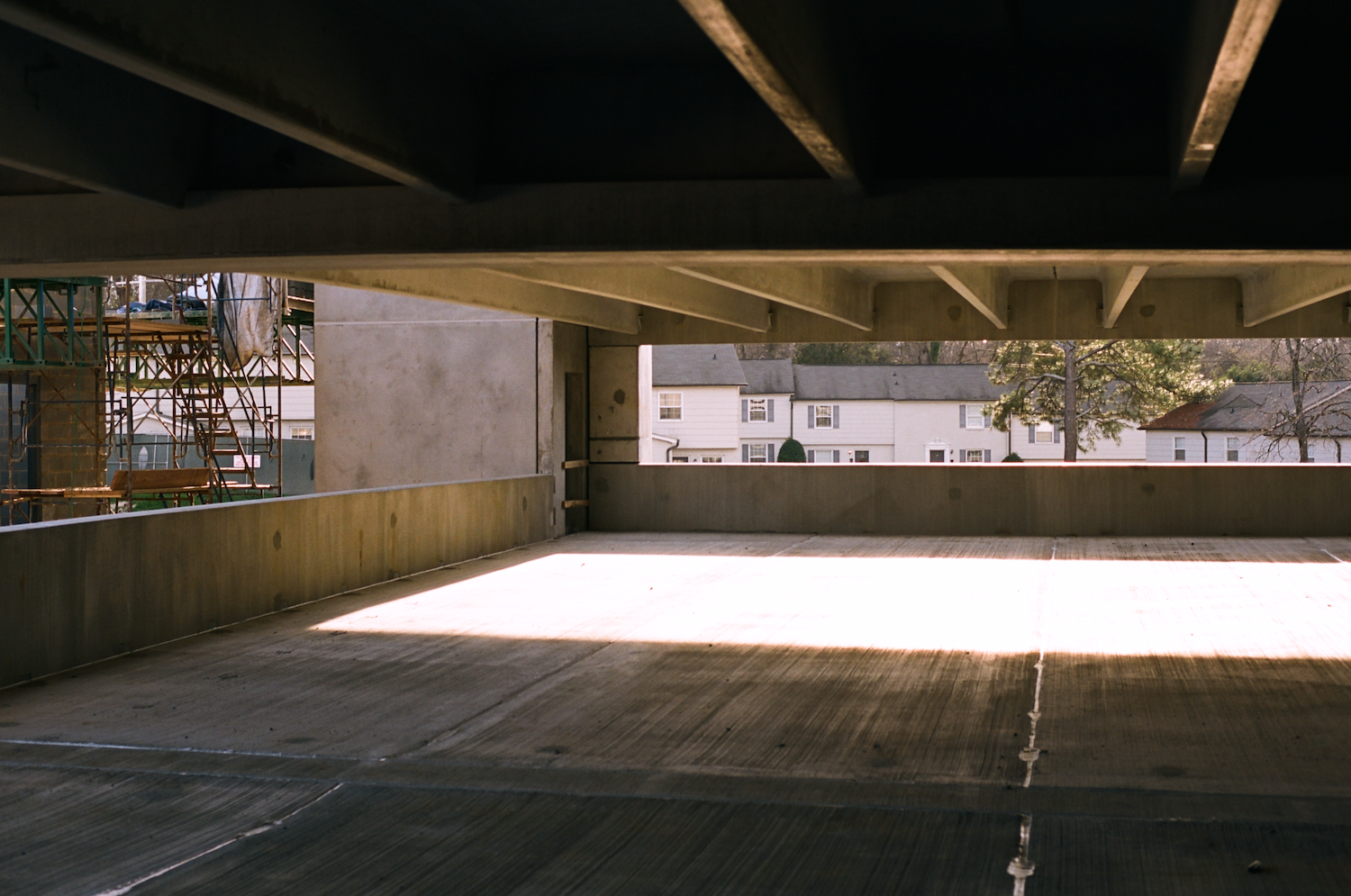
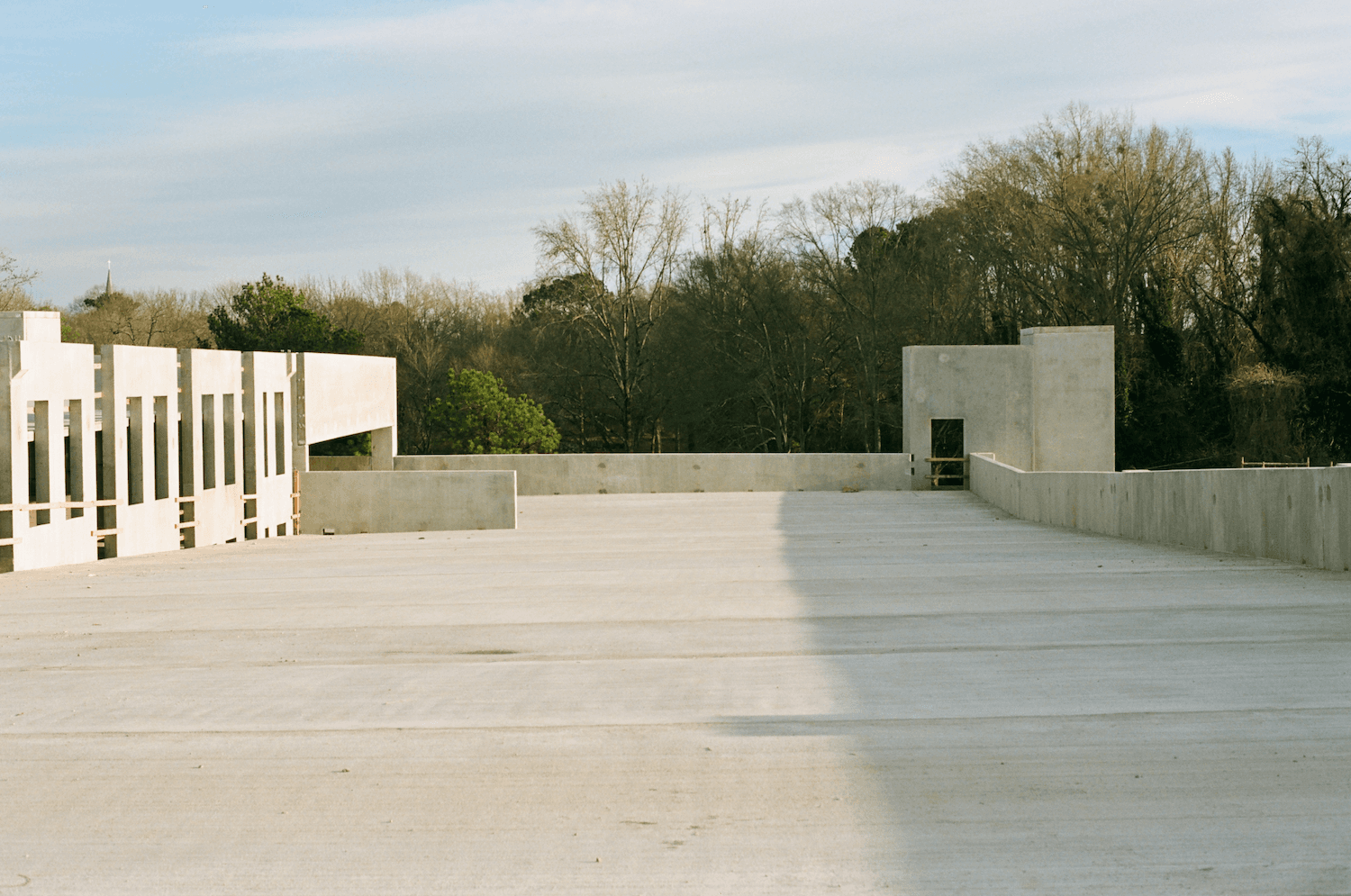
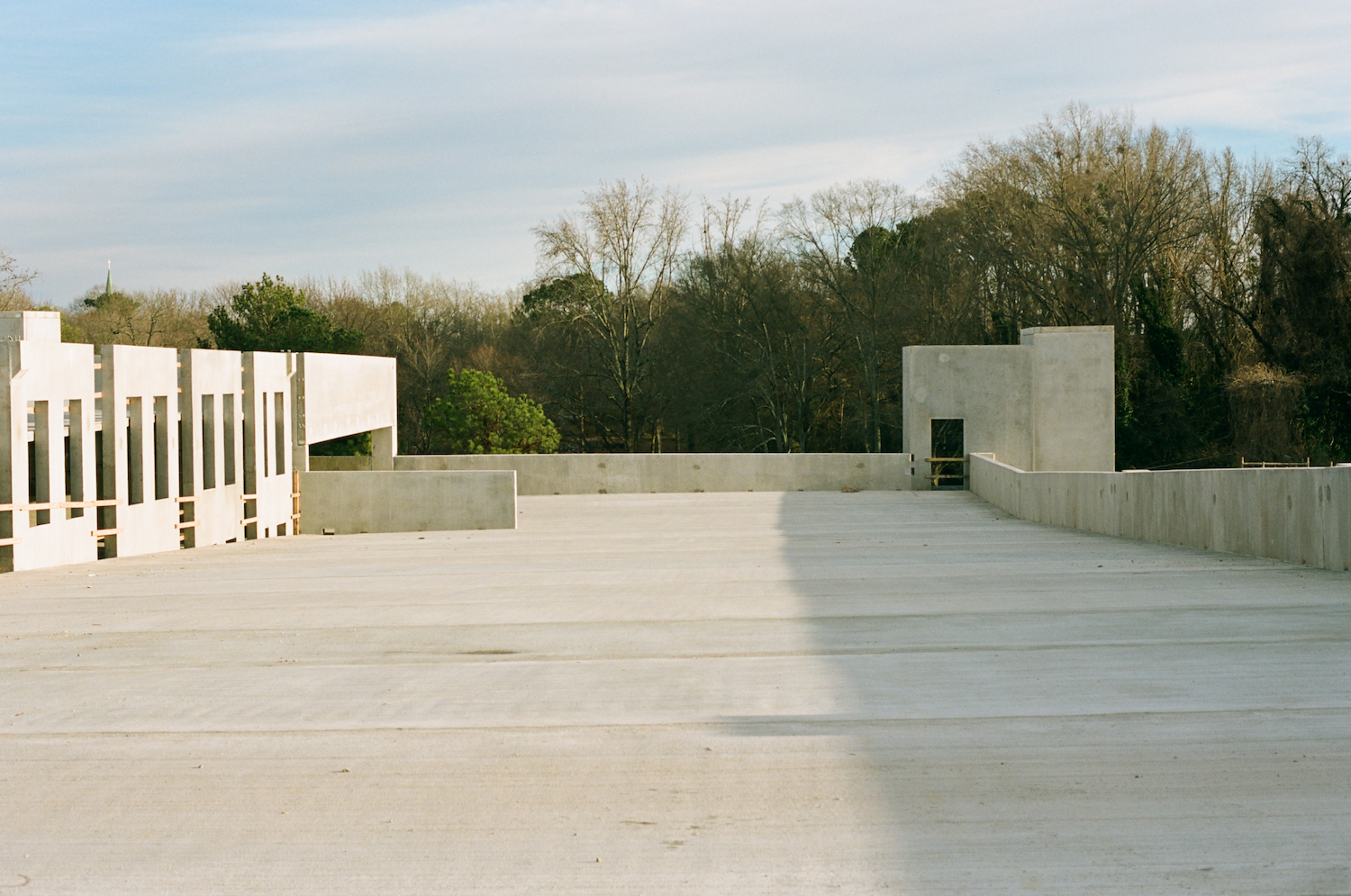
The new deck sits where Kendrick's apartment was and sprawls out into the old playground. The one we never did justice to, except when coming out of the tunnels, steamed hair and grass-stained. Why would we go anywhere else?
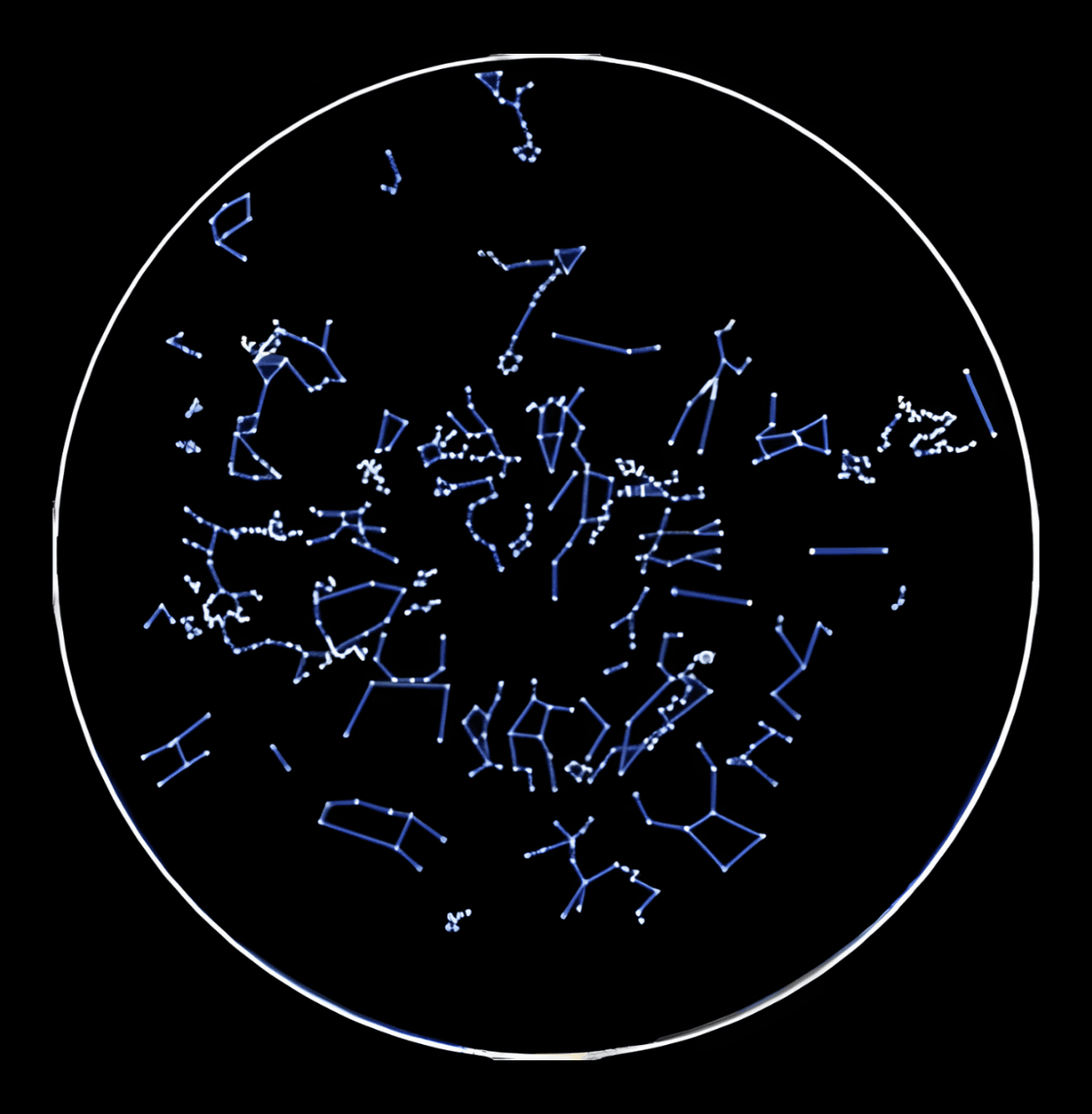
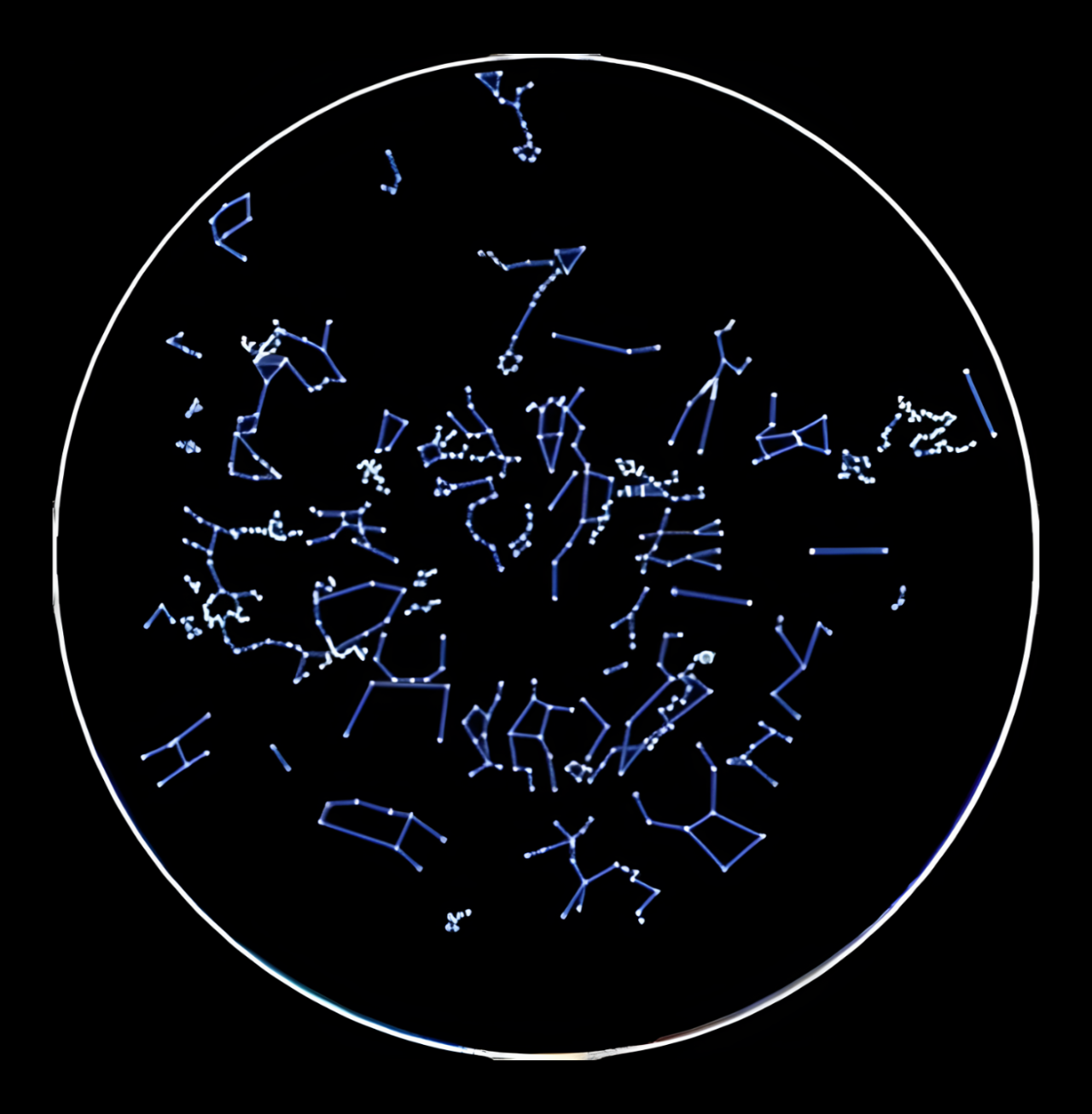
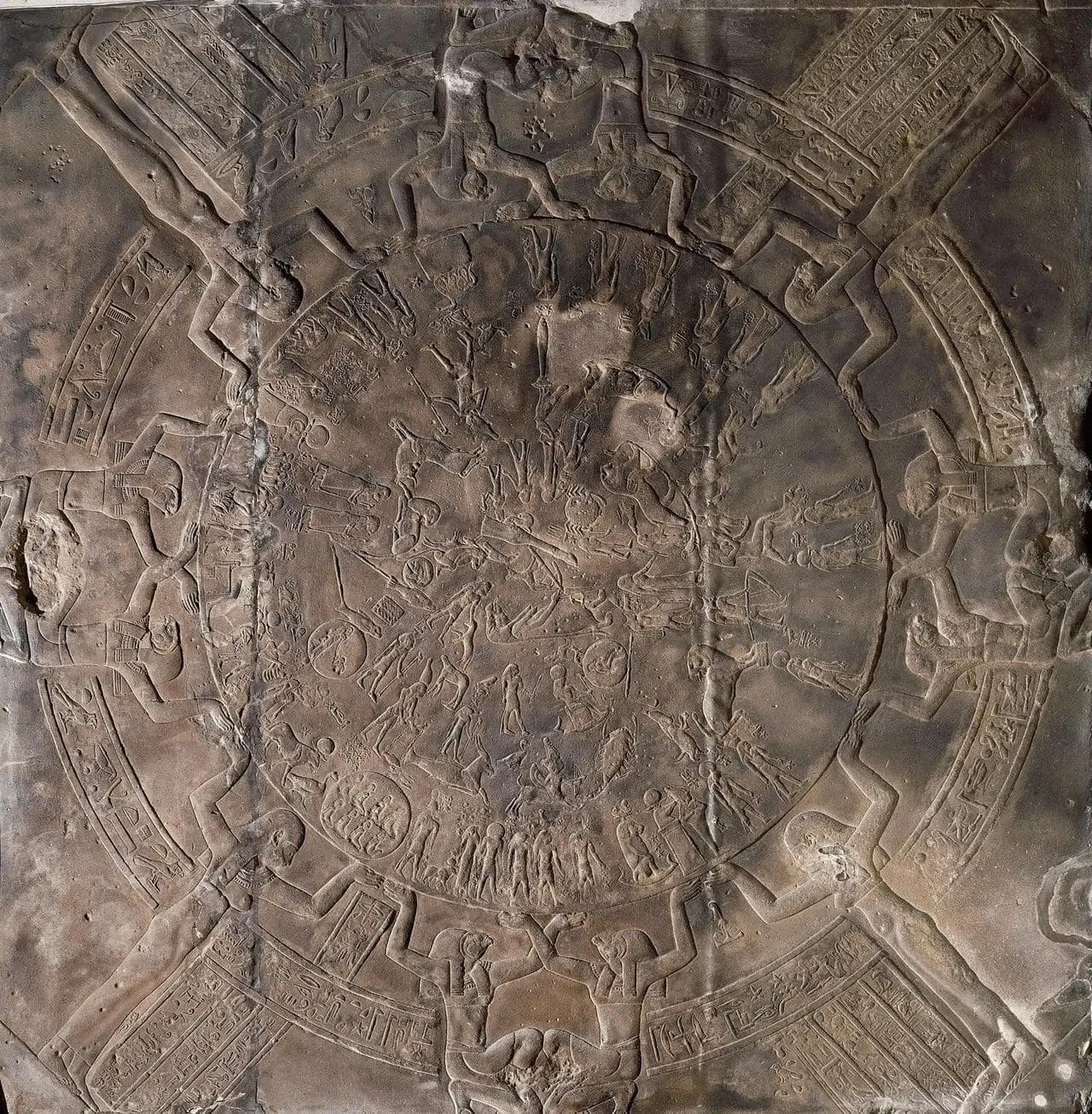
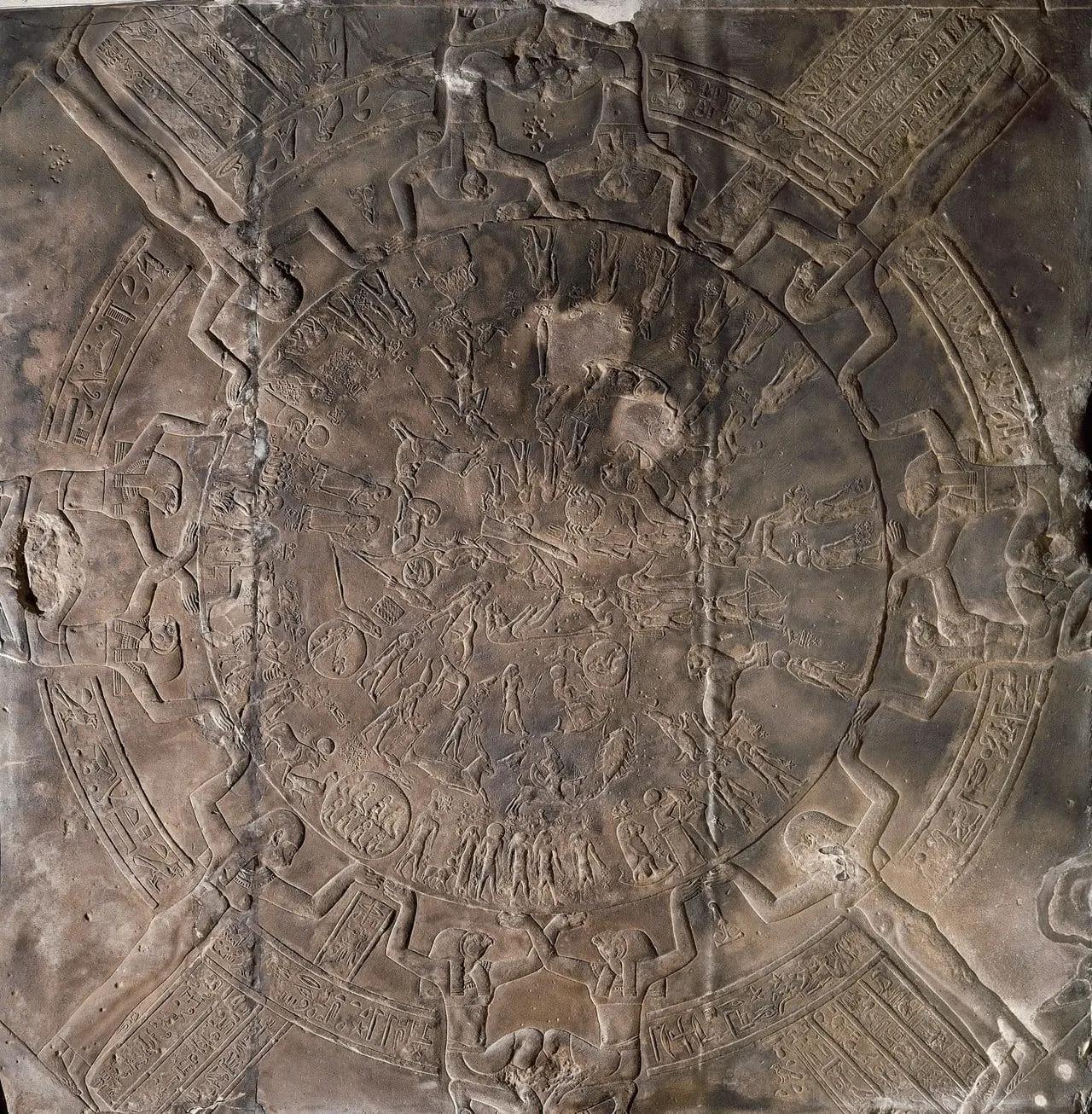
Above is the Dendera Zodiac, a bas-relief excavated from the Temple of Hathor at Dendera, near Thebes. Discovered during Napoleon's invasion of Egypt (1798-1801) and later moved to the Louvre in 1822, the Dendera Zodiac is the only known circular zodiac found in Egypt, a typology imported from Babylon by way of the Greeks.
The main temple structure was started during the late Ptolemaic Period (664 – 332 BC), and was completed during the reign of Roman Emperor Augustus (63 BC - 14 AD), who became pharaoh of Egypt following the reign of Cleopatra VII. Originally situated in the portico, or pronaos of The Chapel of Osiris, this zodiac is considered to be "the only complete map that we have of an ancient sky," depicting the new moon in the spring either between 52 and 50 BC, or 2 BC and 2 AD.
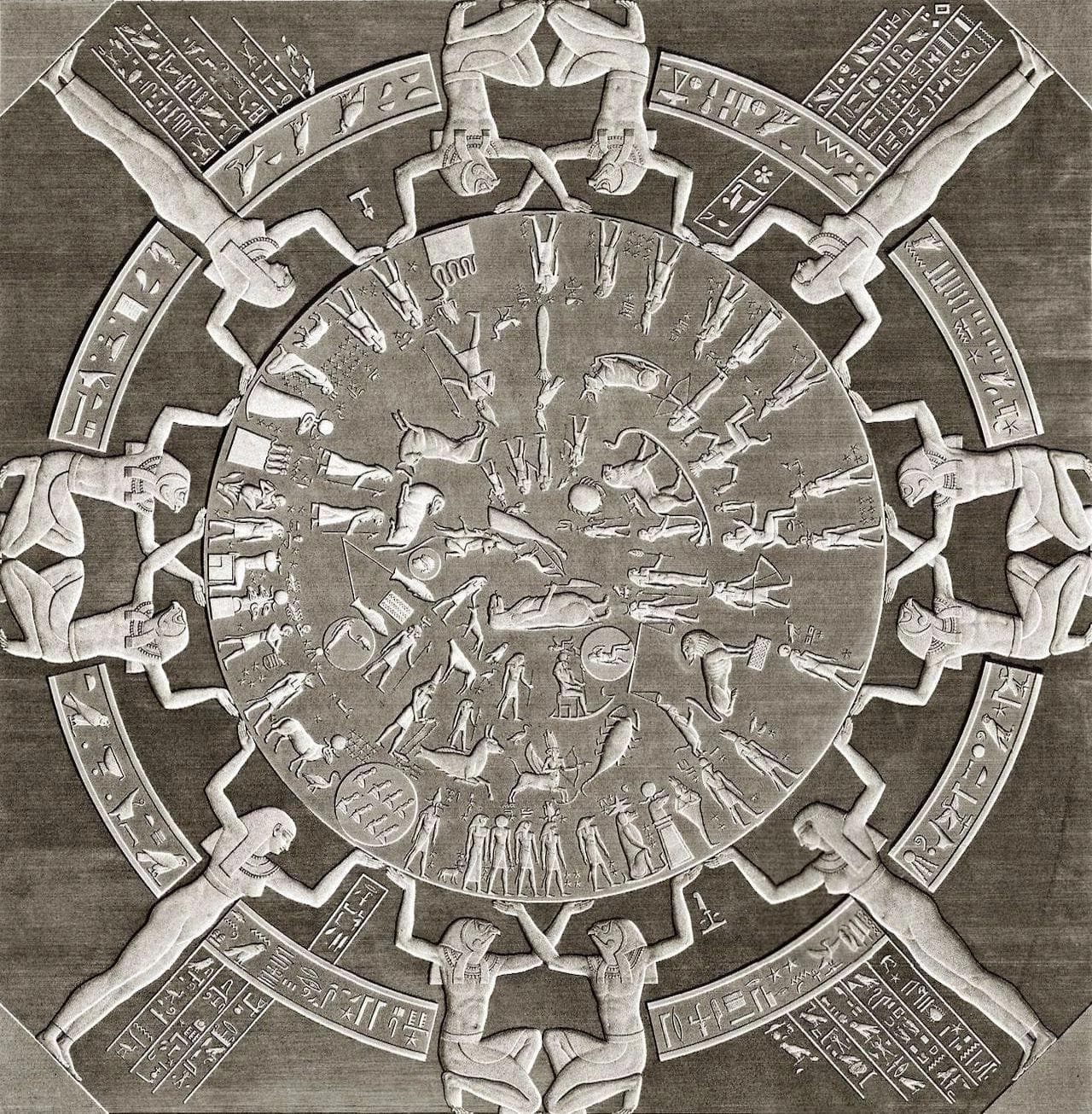
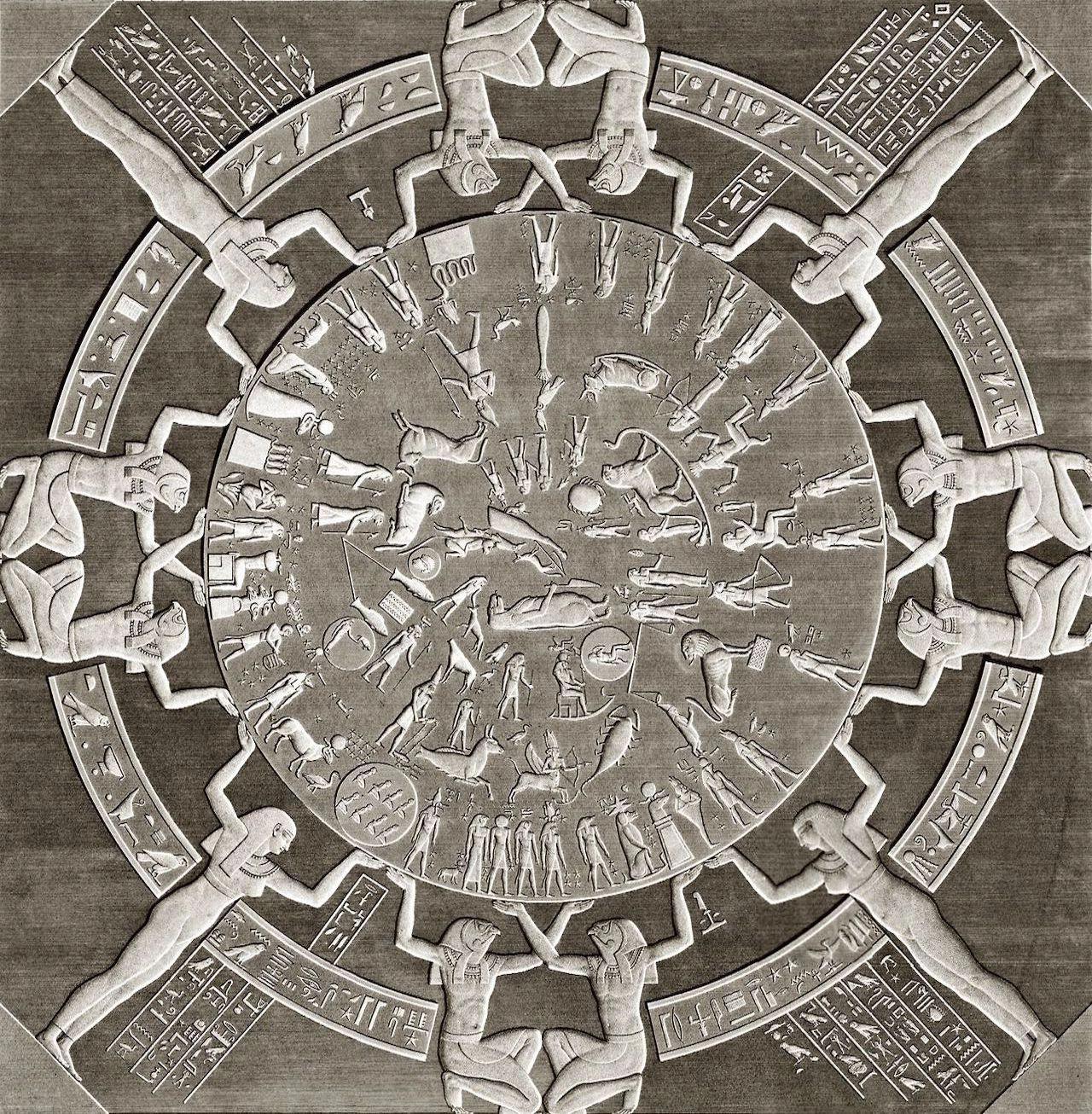
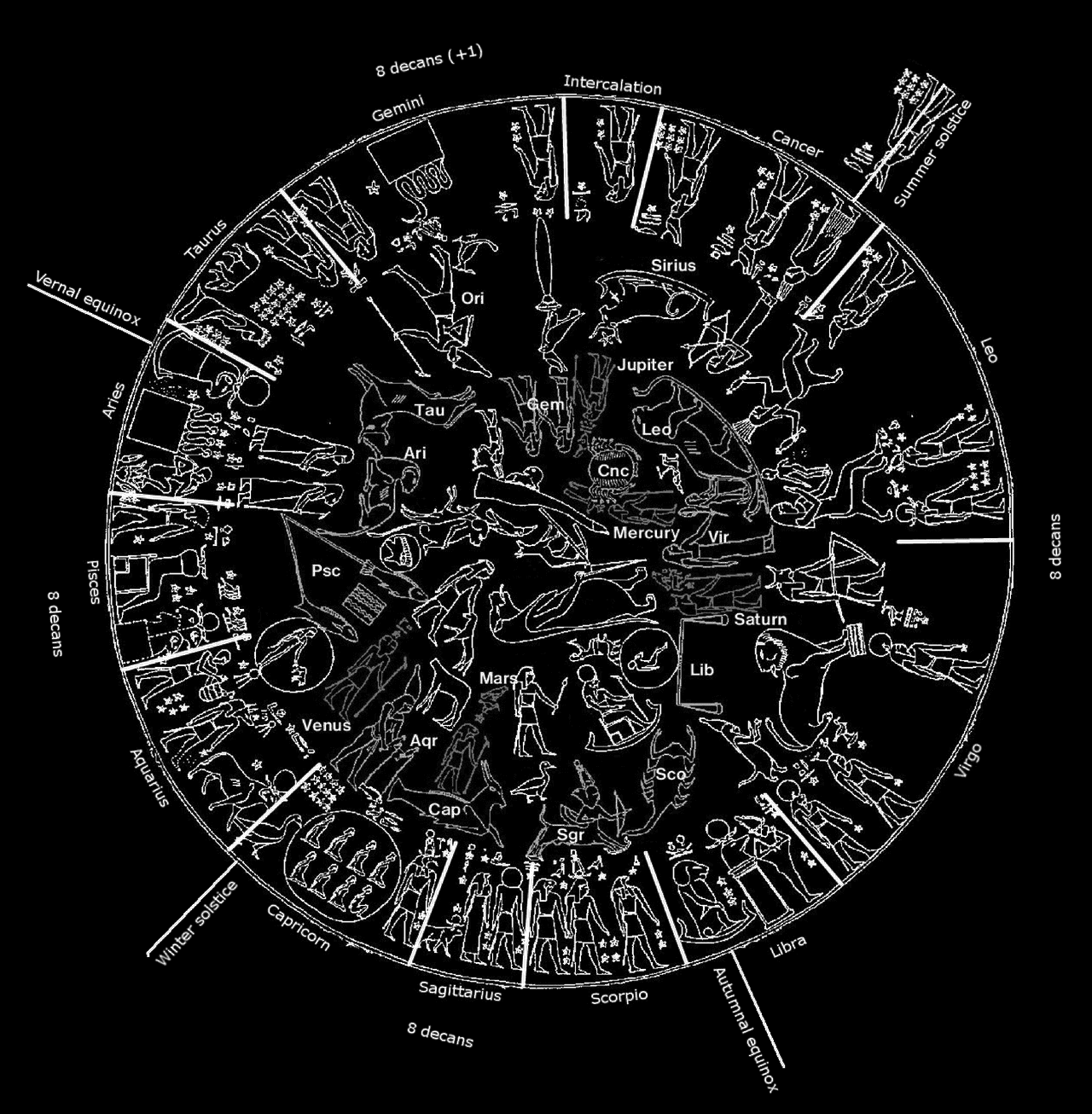
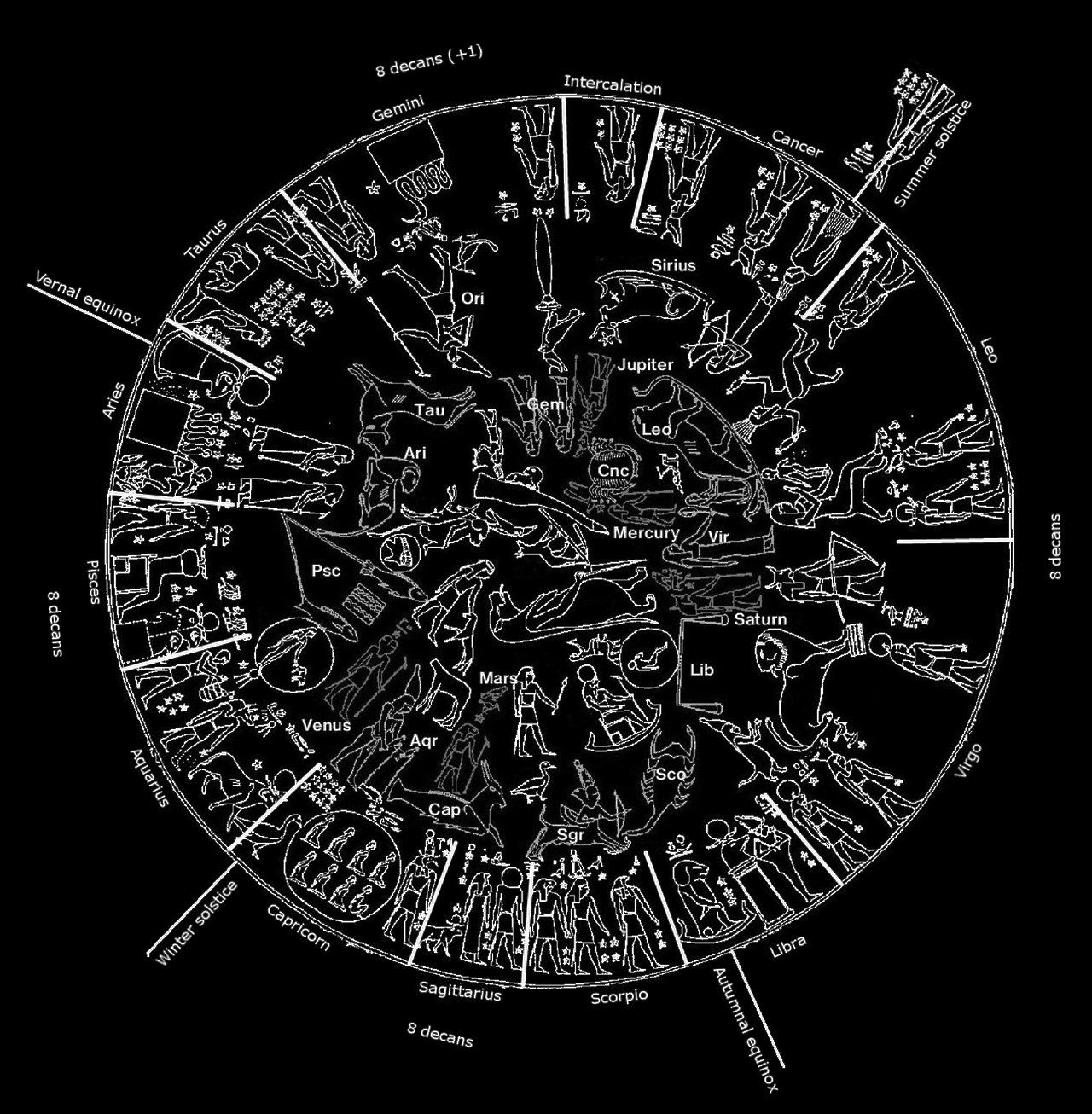
In it, the visible night sky takes place inside a disk centered on the north pole star, held up by four women and four pairs of falcon-headed figures. Moving towards the center are concentric asterisms from Egypt (Decans), constellations from Babylon (Zodiac), visible planets (Venus, Mars, Mercury, Jupiter, Saturn) and circumpolar constellations (Draco, Ursa Major & Minor). Placed in-between are the sun, phases of the moon, and Sirius, known to the Egyptians as Sopdet, or “the bright one.”
Well into the First Dynasty (3,400 - 3,000 BC), Sirius' heliacal rising forecasted the great inundation of the Nile and start of civil year. This annual flood, as old as Egypt itself, was believed to have emerged from the undifferentiated, primordial, cosmic ocean known to the Egyptians as Nu.
From Nu emerged Atum, Re or Ra (Sun), who begets Shu and Tefnut (atmosphere, water vapor), who then separate Geb and Nut (earth, night sky), the parents of Osiris and Isis (order, fertility), and their counterparts Set and Nephthys (disorder, mourning). Worshipped as early as the 5th Dynasty (2,465 - 2,323 BC), these 9 figures make up the Heliopolitan Ennead, the central deities of Ancient Egypt’s founding mythology.
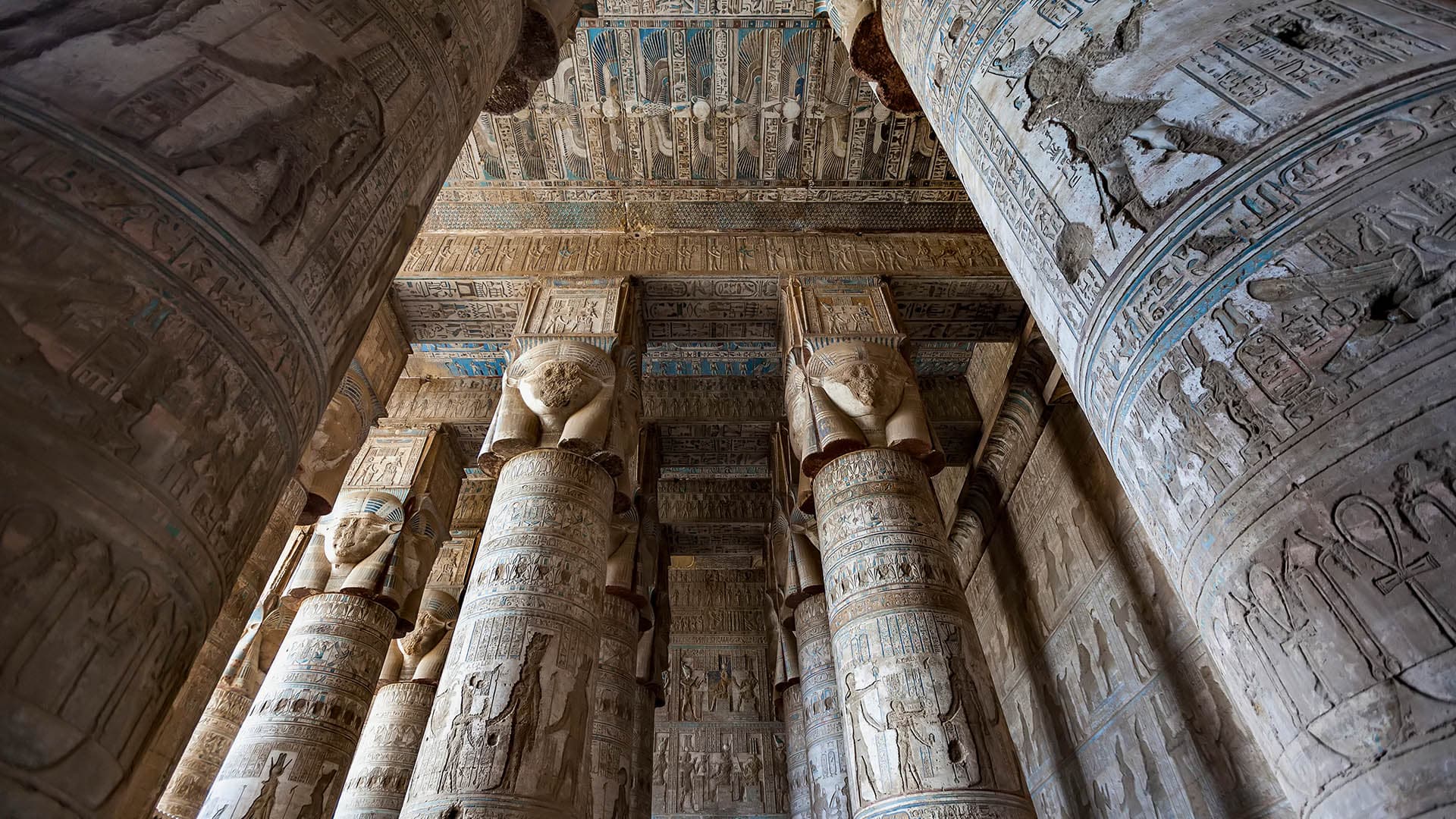
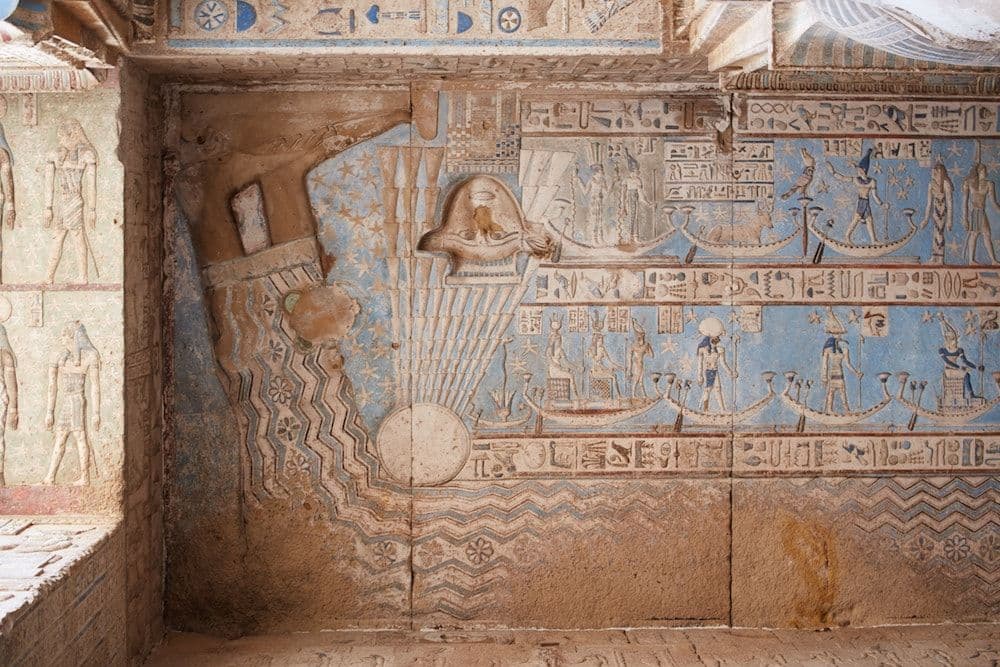
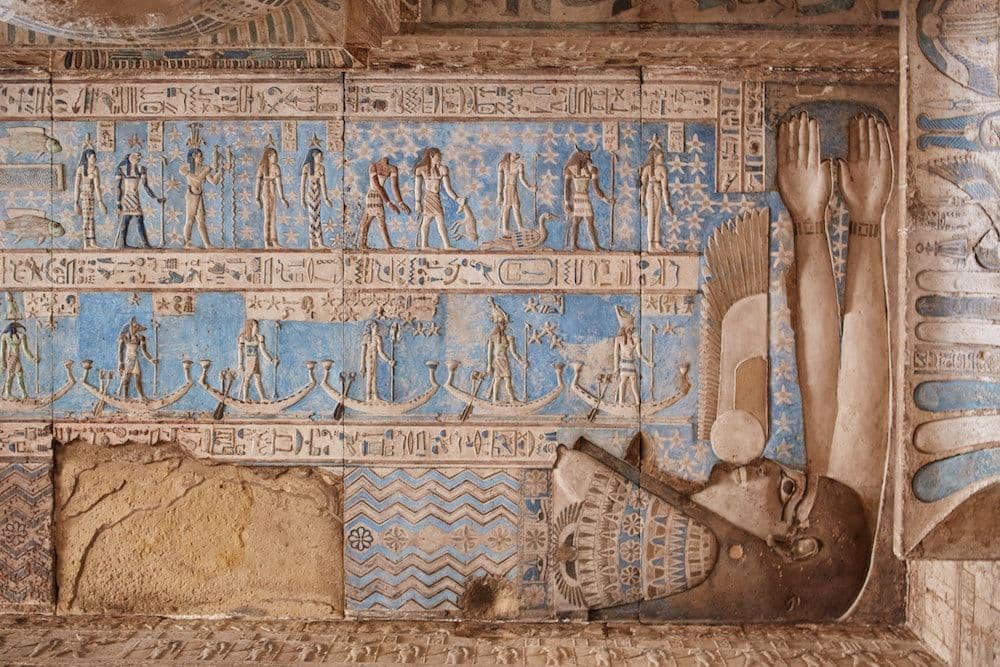
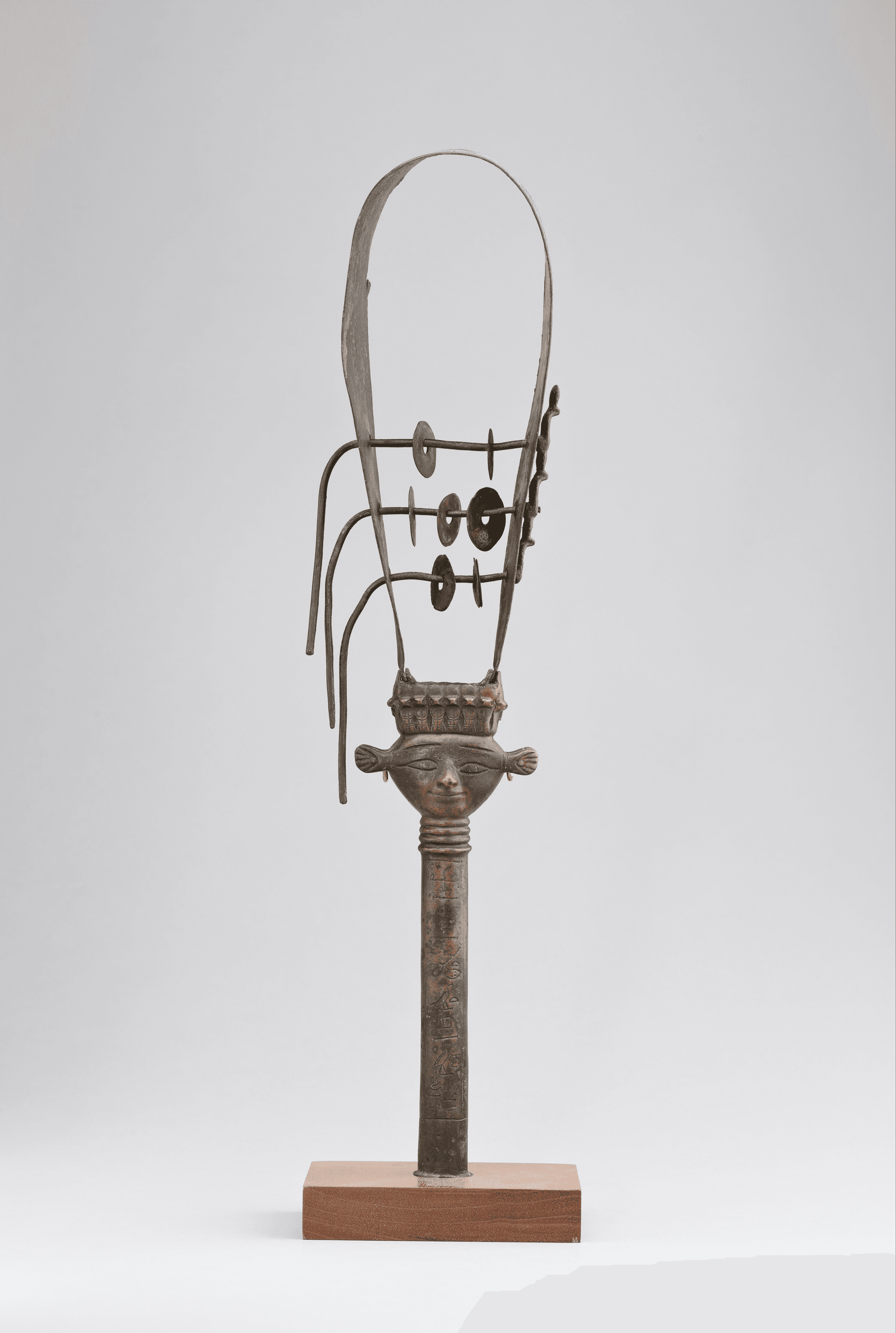
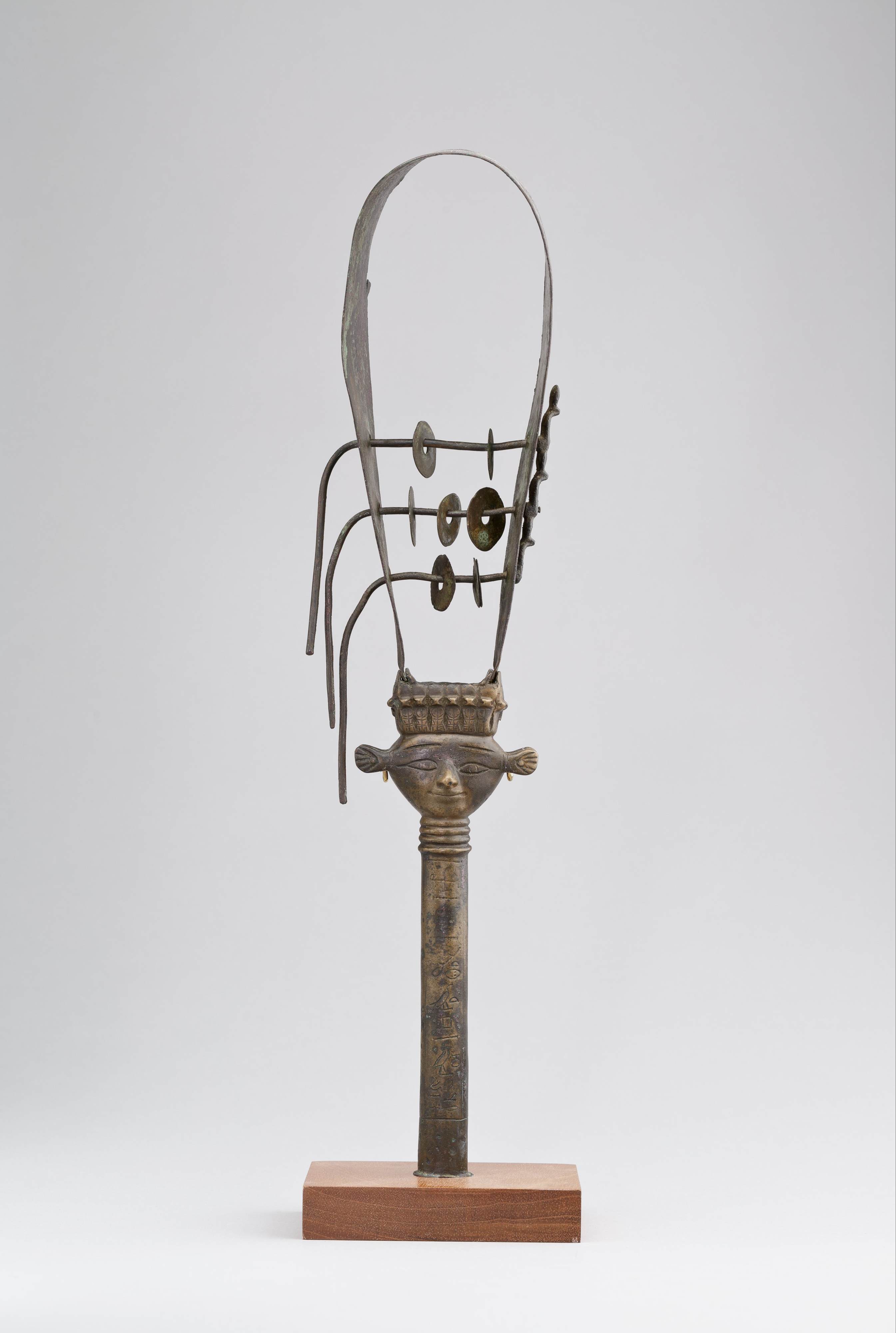
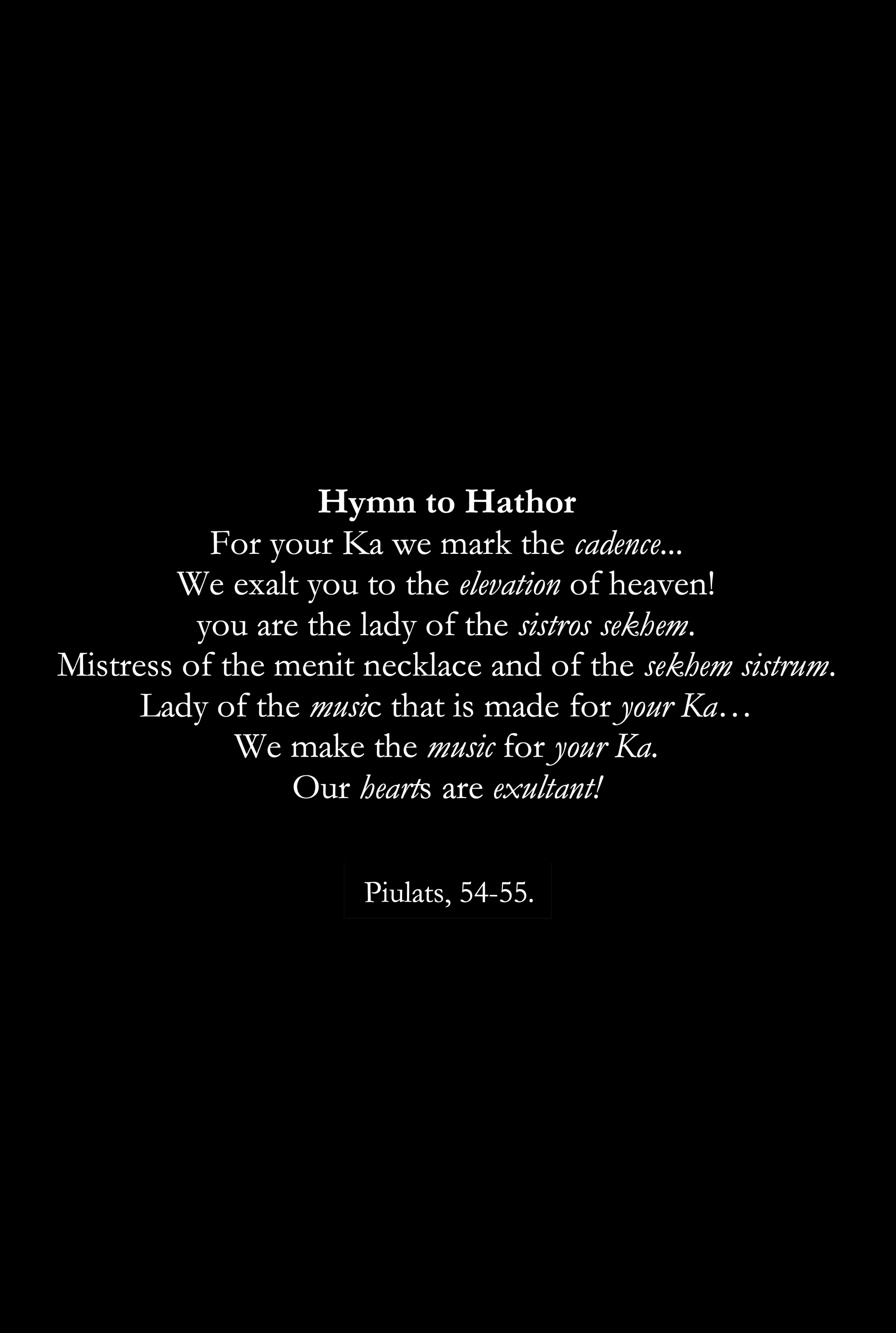
Descending from the Chapel of Osiris at Hathor into the Hypostyle Hall are rectangular transpositions of the contents of the Zodiac across ceiling, accompanied by wall reliefs depicting Pharaohs as they make offerings of sistrums to the sky deity Hathor, goddess of love, music, and consort to Horus.
Supported by 24 hathoric columns are 7 ceiling bas-reliefs, the inner 5 detailing the phases of Sun and Moon, the outer 2 depicting the procession of planets, asterisms and constellations on barques across the unfurled torso of the goddess Nut (above). To the Egyptians, these astral intermediaries of the gods were known as baktiu, "servant," or (those) connected with work."
As ”eternal spirits of lesser divinities,” the baktiu presided over the successive rise and fall of specific stars and small constellations, marking hours of night during the performance of temple rituals, and the passage of 36 decades, 10 days intervals throughout the solar year and subsequent civil calendar. To Greeks they were known as dekanoi or decans, “tenths,” later transliterated in India to drekkāṇa.
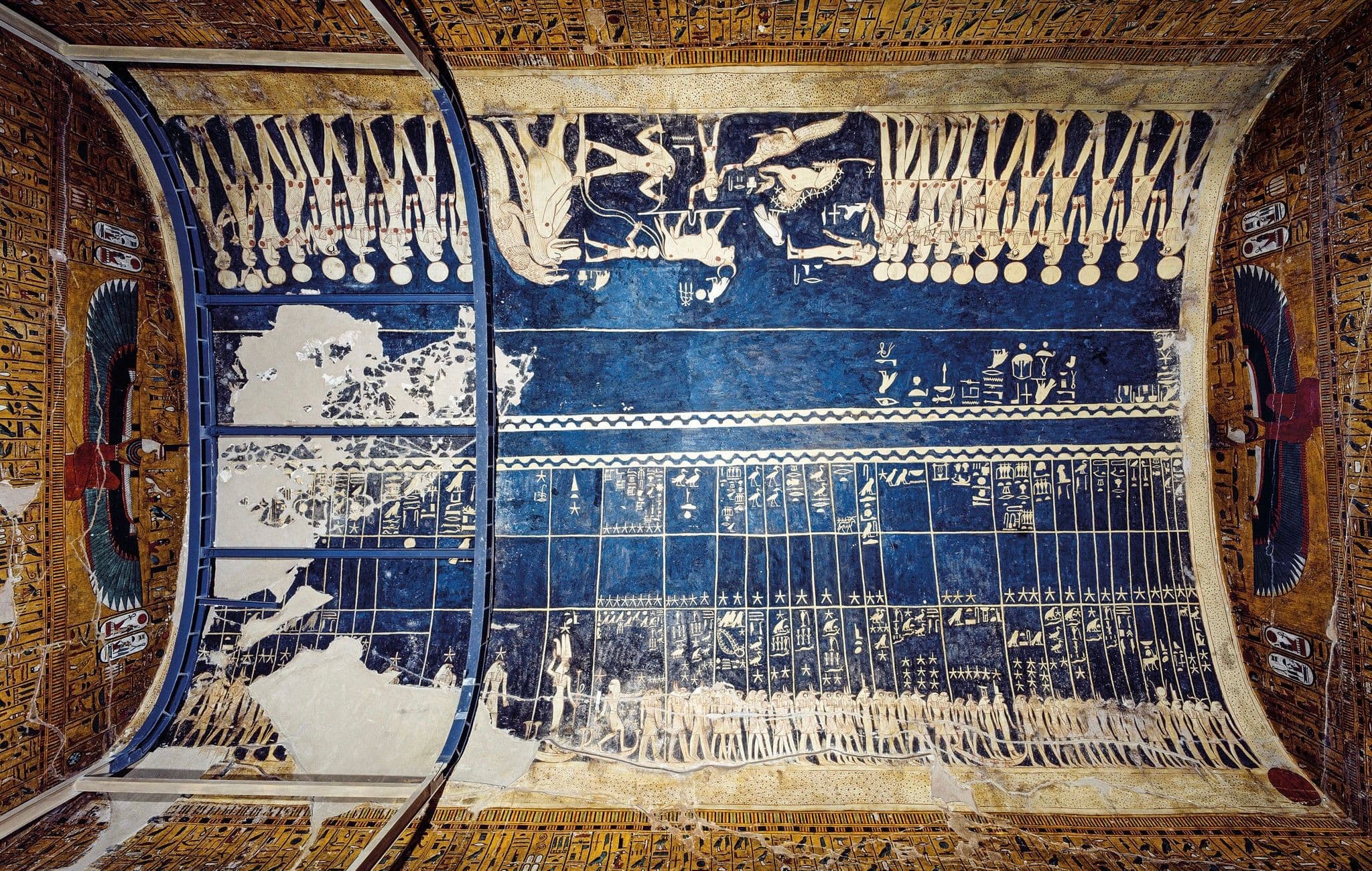
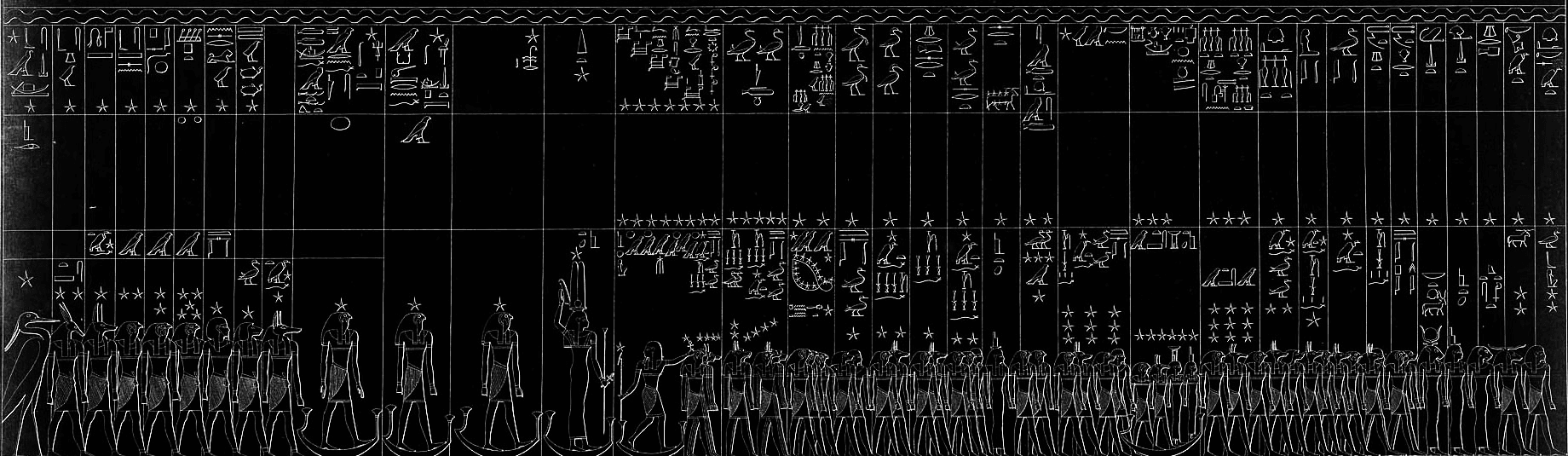
Above is the oldest known hieroglyphic inscription of The Book of Nut, known as “The Fundamentals of the Course of the Stars.” Transcribed from the Tomb of Seti I at the Osireion (Abydos, Upper Egypt), the painted ceiling depicts a map of the firmament for guiding the Pharaoh’s passage into the underworld.
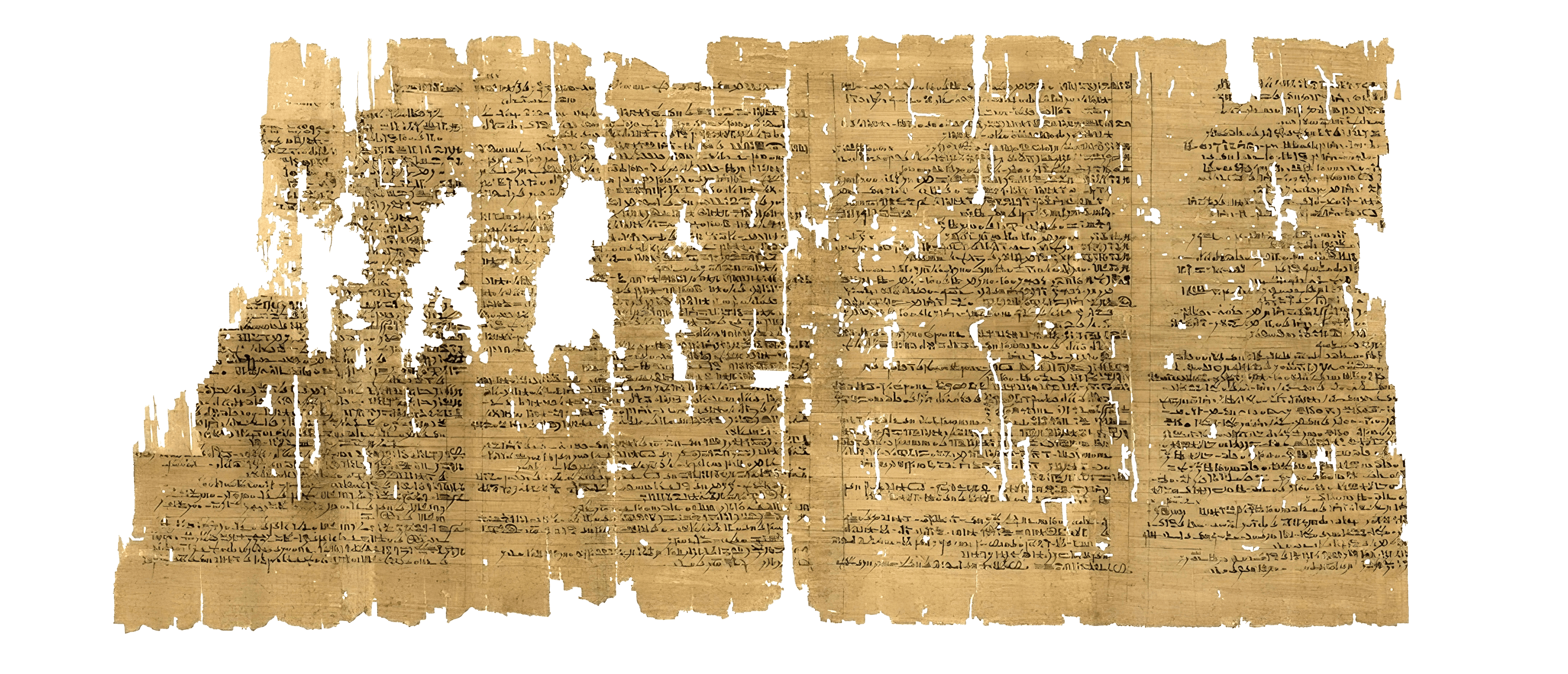
Below is one of the latest records, written in late Egyptian hieratic during the Roman occupation of Egypt during the 2nd Cent. AD. Recovered from the Library of Tebtunis, the Carlsberg Papyrus l explicates the concept of sunrise as mythological rebirth through the diurnal motion of Sirius, and accordingly the decans: "Over the course of a year Sirius is: first, then 90 days later it is Shen Duat, then 70 days after that it is born, then it works or serves for 80 days, then 120 days later it is back to first."
In their “working” or culminating position, a sequence of 12 decans would be observed each 10-day week, dividing the night into 12 equal hours throughout the year. At the temple, it is thought that priests used their hands, plumb lines, and later sceptres to monitor the hourly motion of the decans.
To begin, priests would set the sceptre on a suitable decan in the west, and follow its passage from the top disk below the bottom, marking the hour. The sceptre would then move 10° onto the next decan, and the process would be repeated. After six hours observations would shift to stars rising above the eastern horizon, and the end of the 12th hour dawn would break in the east.
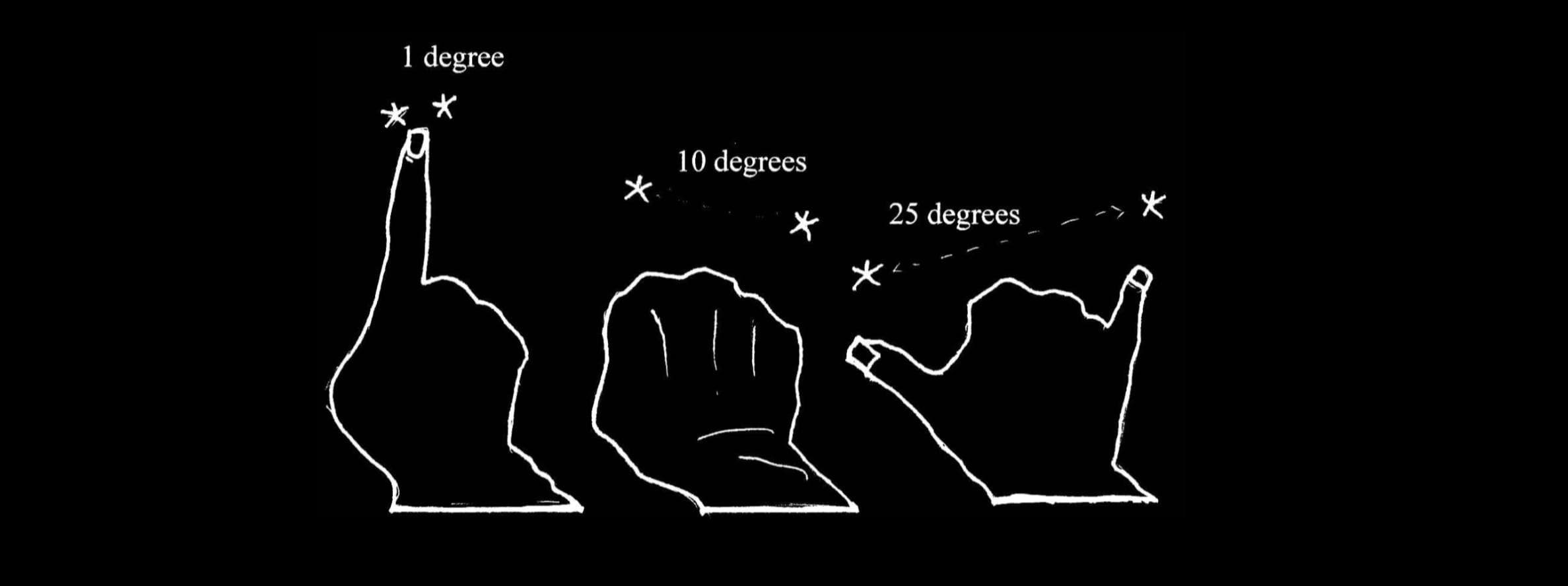
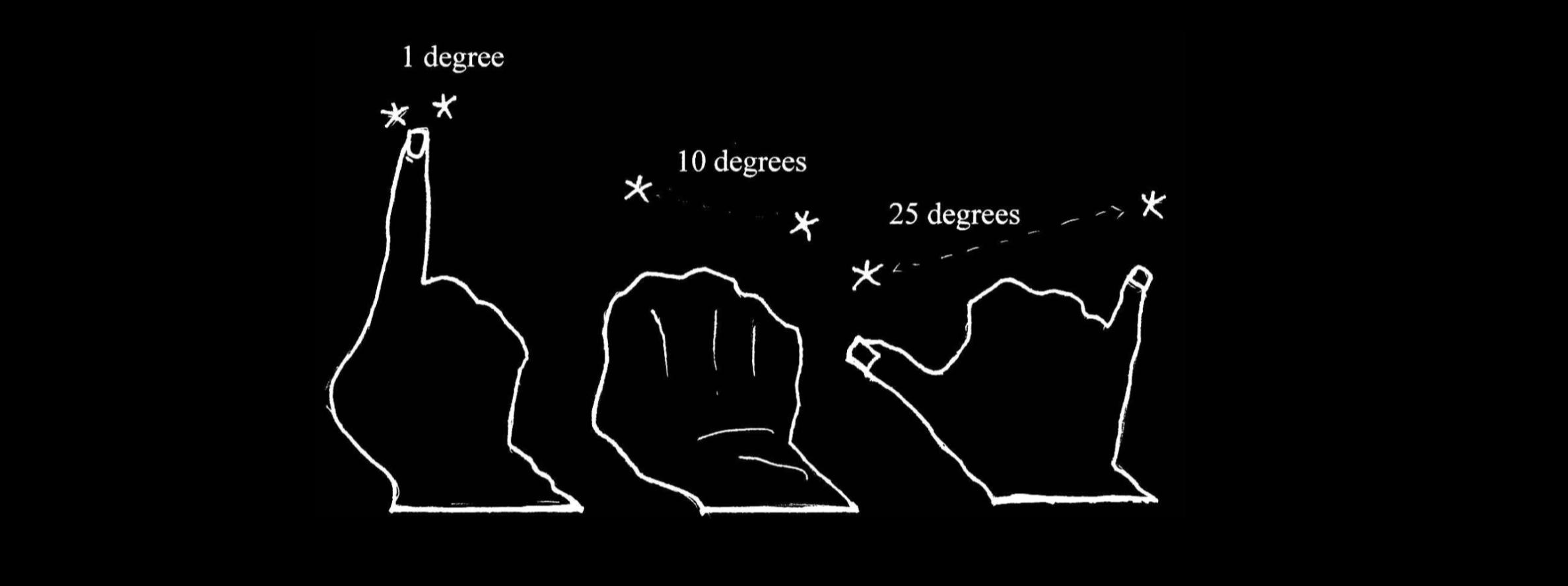
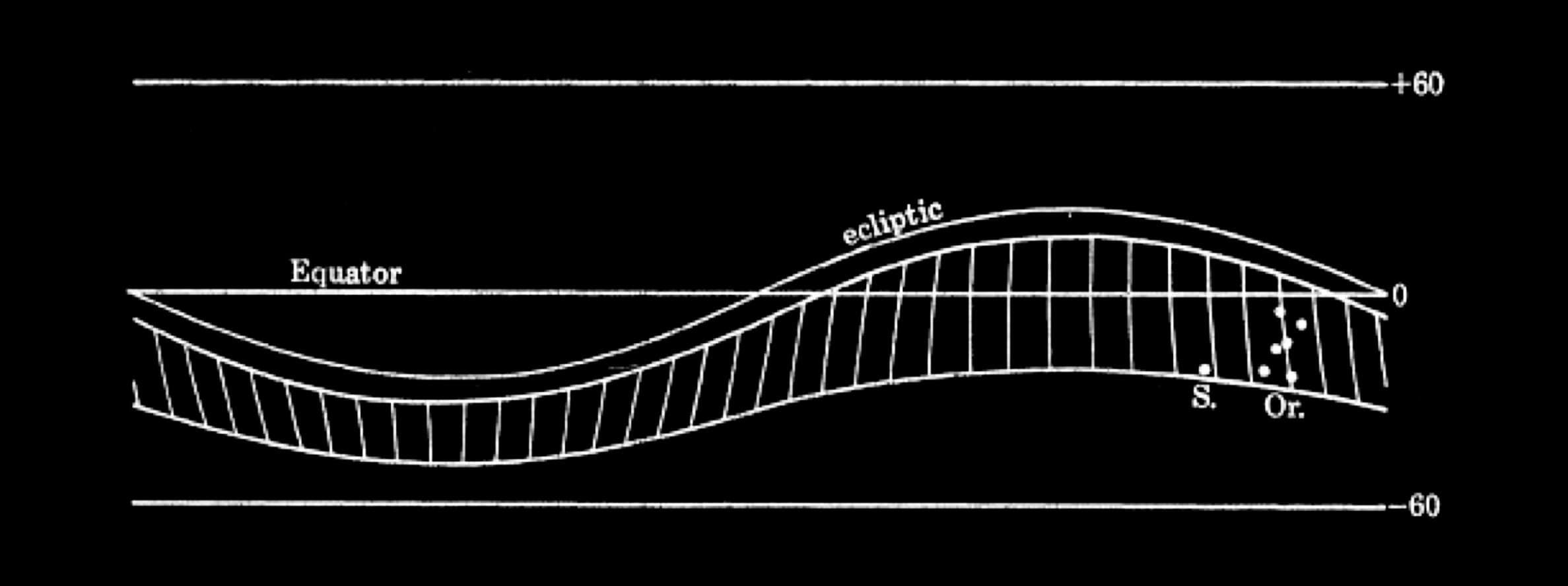
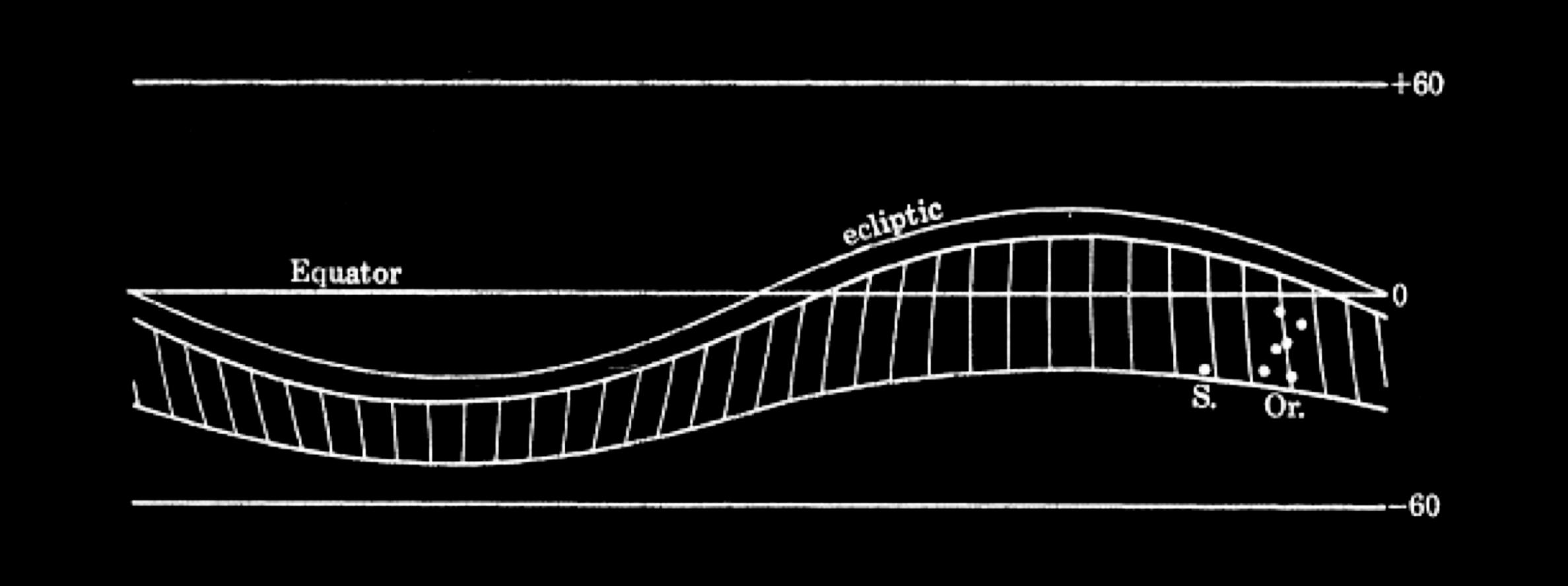
With appropriate technique, priests would have been able to time the chant of spells in sequence with the passage of Ra (Sun) and the ba (soul of a departed pharaoh) through the 12 gates of the underworld, or Duat, each night.
At the end of each 10-day week, the western-most decan would then retire into the west for 90 days, before descending into the Duat. The fallen asterism would then be replaced by a newly “born,” or ascendant decan in the eastern region of sky known as msķt (mesket), or “birthing place.”
In this cosmology, the birth, or heliacal rise of the decans had as much to do with their passage through eternity (djet) as man’s reckoning with the passage of cyclical time (neheh). Guiding the diurnal currents of the neheh was the deity Shu, god of air and atmosphere, separator of earth from sky (below).
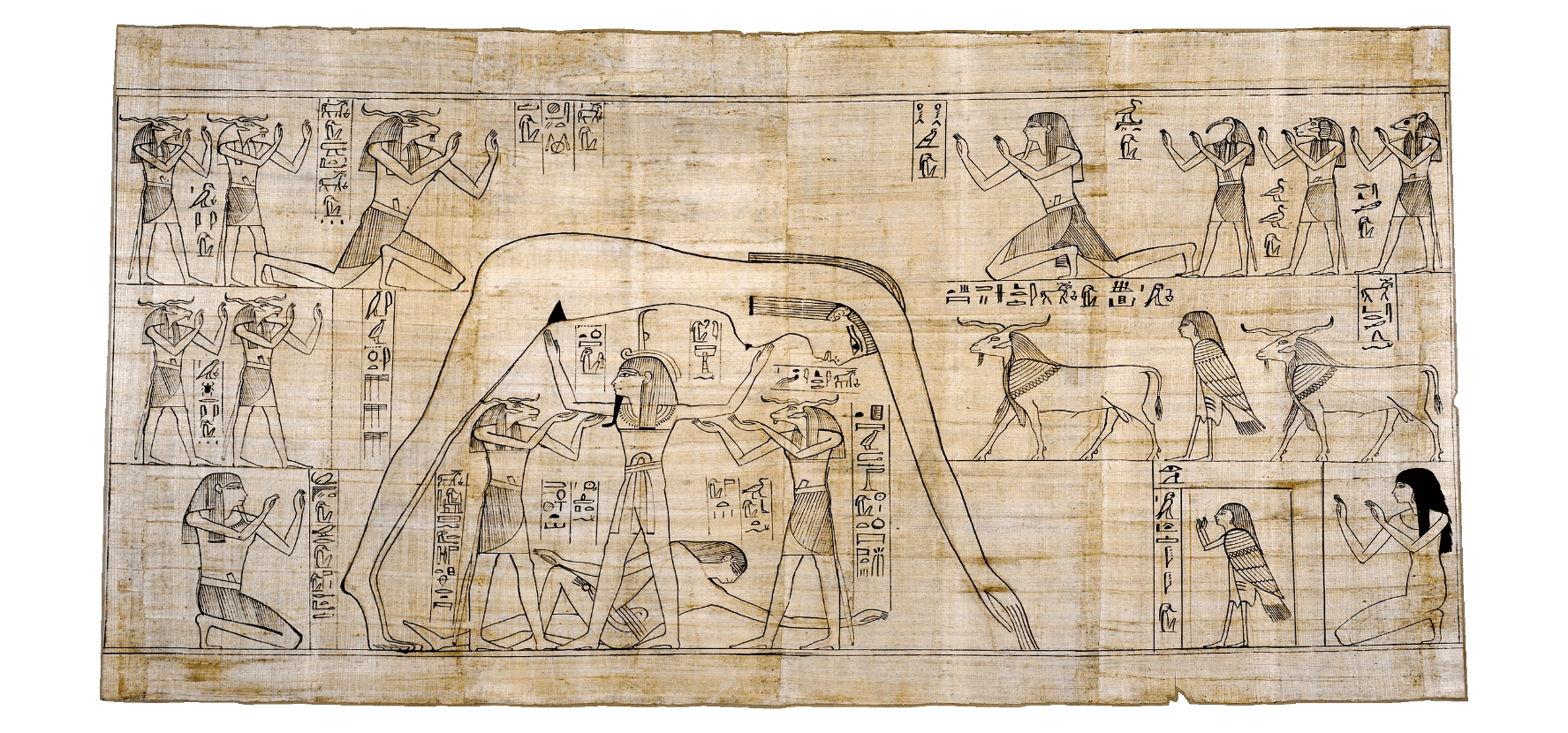
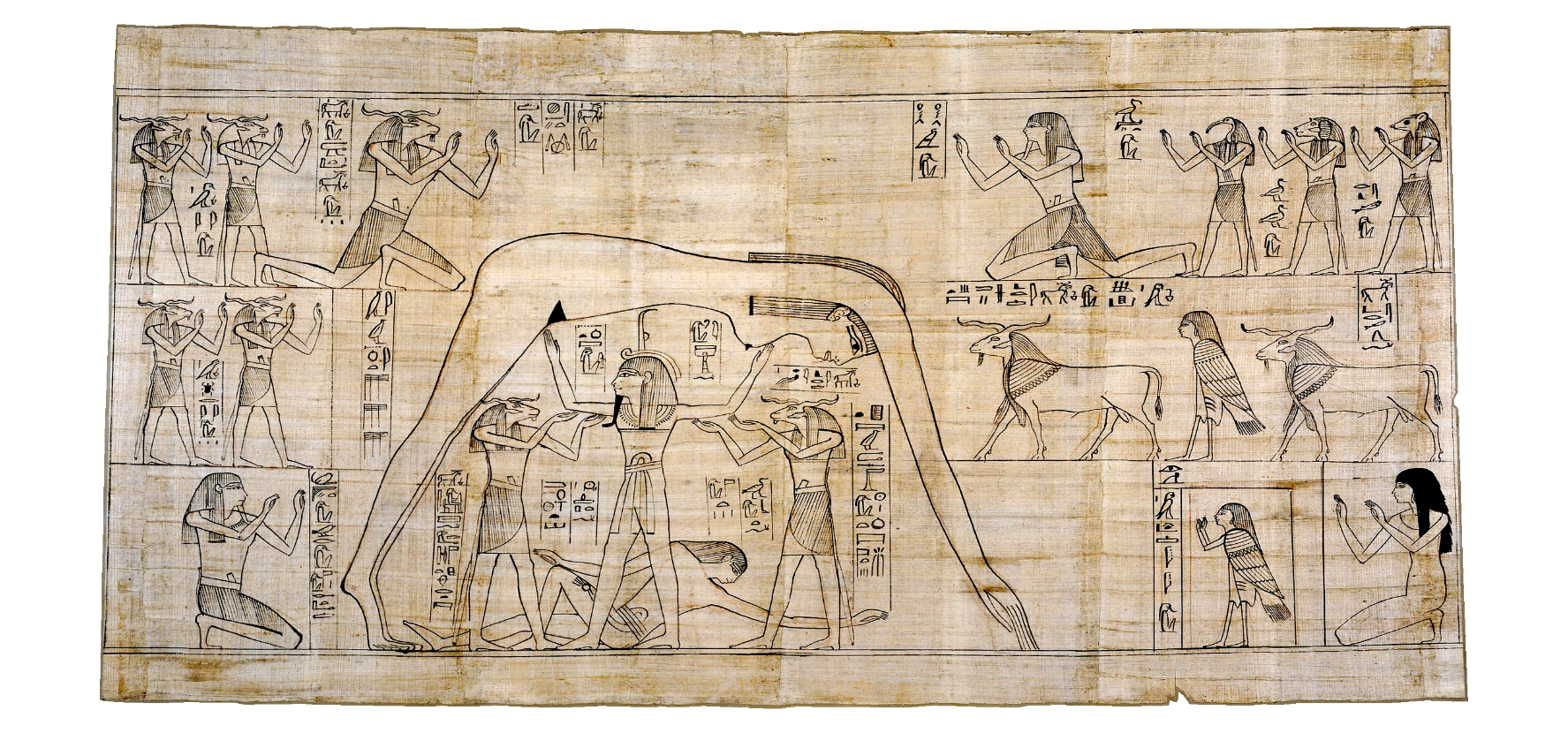
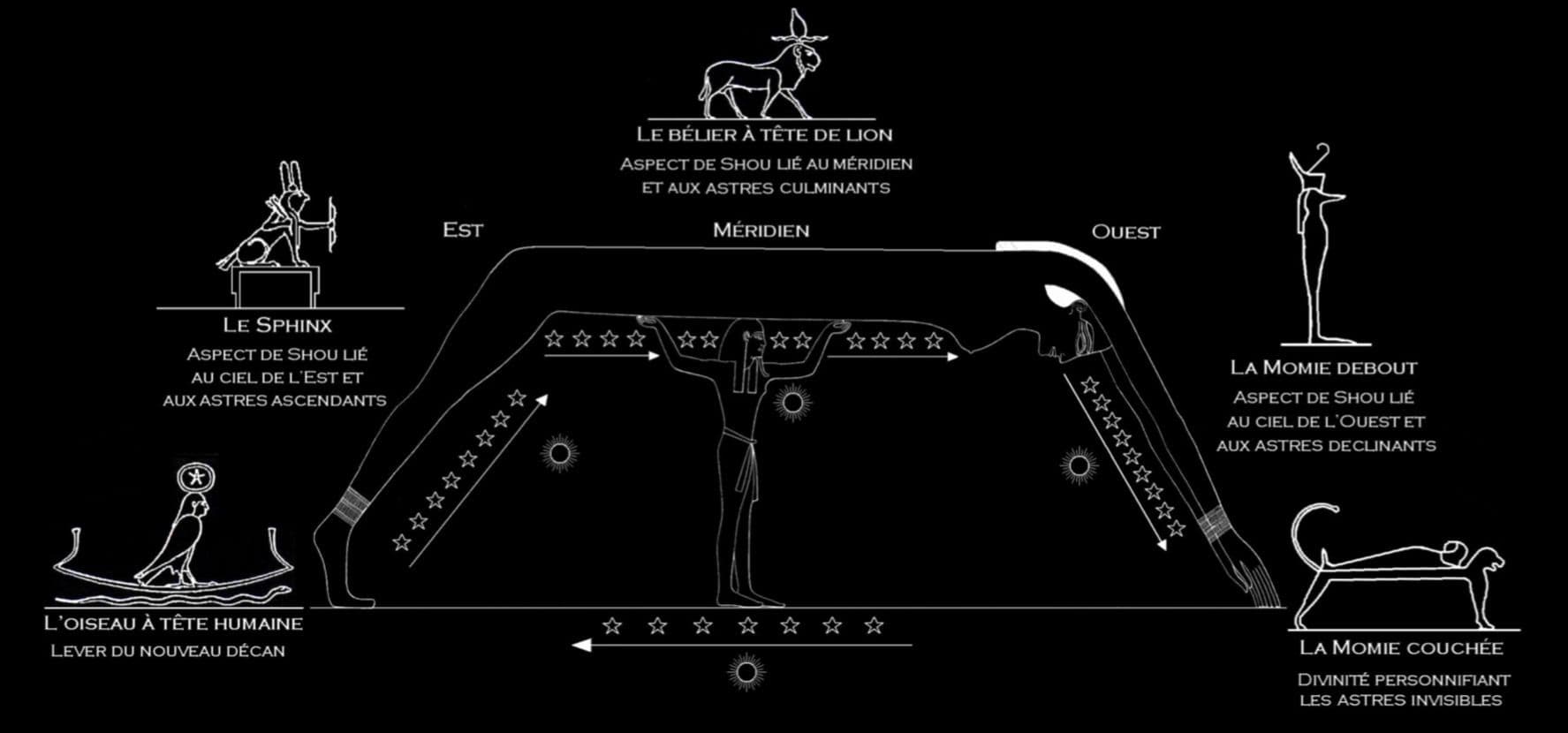
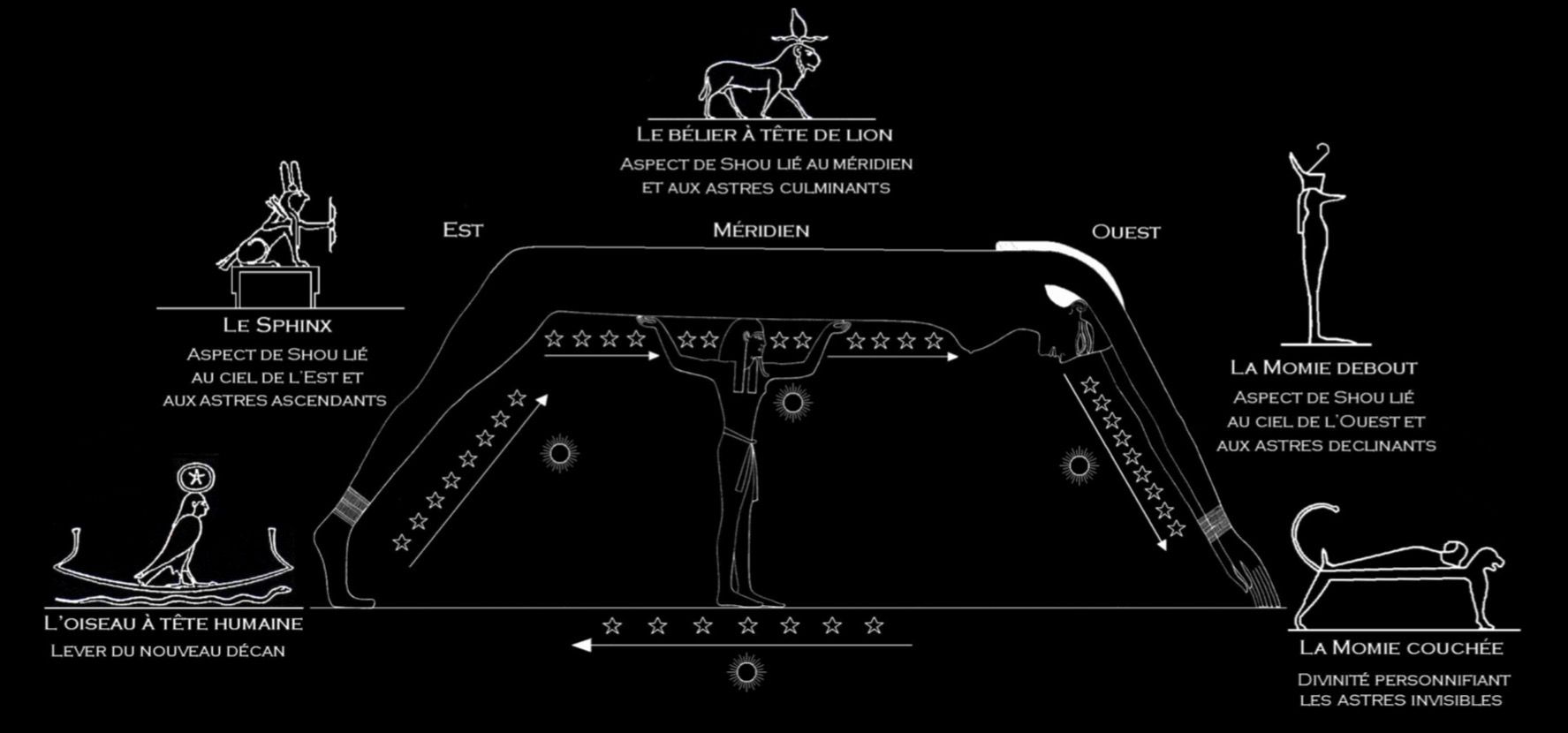
As Egypt's second divine ruler after Ra, Shu embodied 'space,' the light cavity amidst the primordial darkness. When paired with his counterpart Tefnut, goddess of water vapor, Shu was depicted as a lion.
Excavated from the Bay of Abukir between the 18th and 20th centuries, The Naos of the Decades (below) alongside others (dedicated to Tefnut, Sopdu and Ismalia) centralized the worship of regional deities at the Temple of Sopdu in the provincial capital Per-Sopdu.
Located at the eastern edge of the Egyptian Delta between the Nile Valley and Red Sea, Per-Sopdu punctuated an important route during the Late Period of Egypt, and the protracted struggle with Assyria throughout the 4th Cent. BC. Consecrated to the god Sopdu, protector of the eastern borders of Egypt, Per-Sopdu became one of the most influential cult centers in Lower Egypt, a place to curry the favor of the gods.
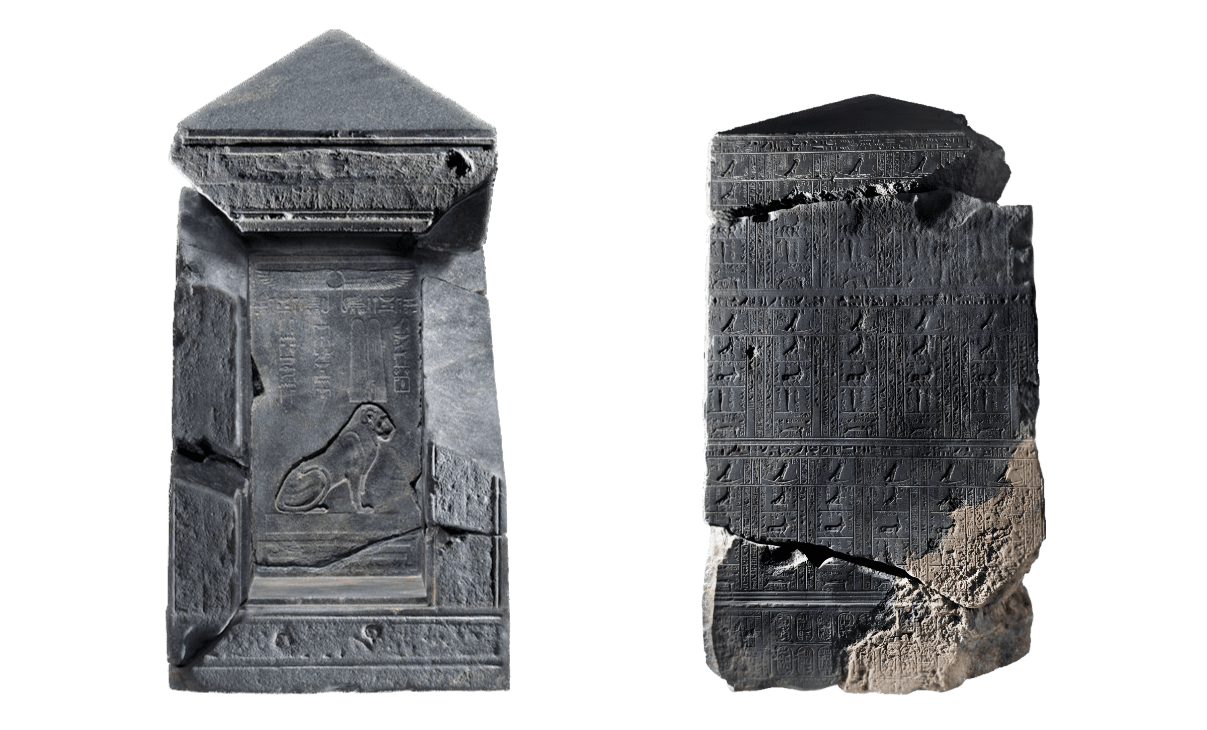
Dedicated to Shu during the last native dynasty of Egypt, the exterior of the Naos of The Decades tabulates the weeks of the solar year (below), alongside the induced effects of the decans and Shu upon sublunary life: nature, animals, human communities and individual health. The 9th decanic inscription of the Naos of the Decades reads: "The great god at the beginning, it is he who causes massacres, who brings war, carnage, fury and turmoil, It is he who sends miasma to all foreign countries after defeating them with tenacity, it is he who brings the rain from the sky, it is he who kills all the small cattle of the desert."
Written in hieroglyphic dating to the 4th Cent. BC, the portents of these decans were believed to strike the order of the Pharaoh’s kingdom and the various bordering states, a concept manifestly absorbed in the conflict between Egypt and Assyria, and later transliterated into the literary style and genre of Greek and Latin treatises of the Roman Period (27 BC - 476 AD). In the lower left corner of the rear, the 37th decanic inscription reads: “He will make an open road for the justified in front of the barque of Ra and will guide you on a good path.”
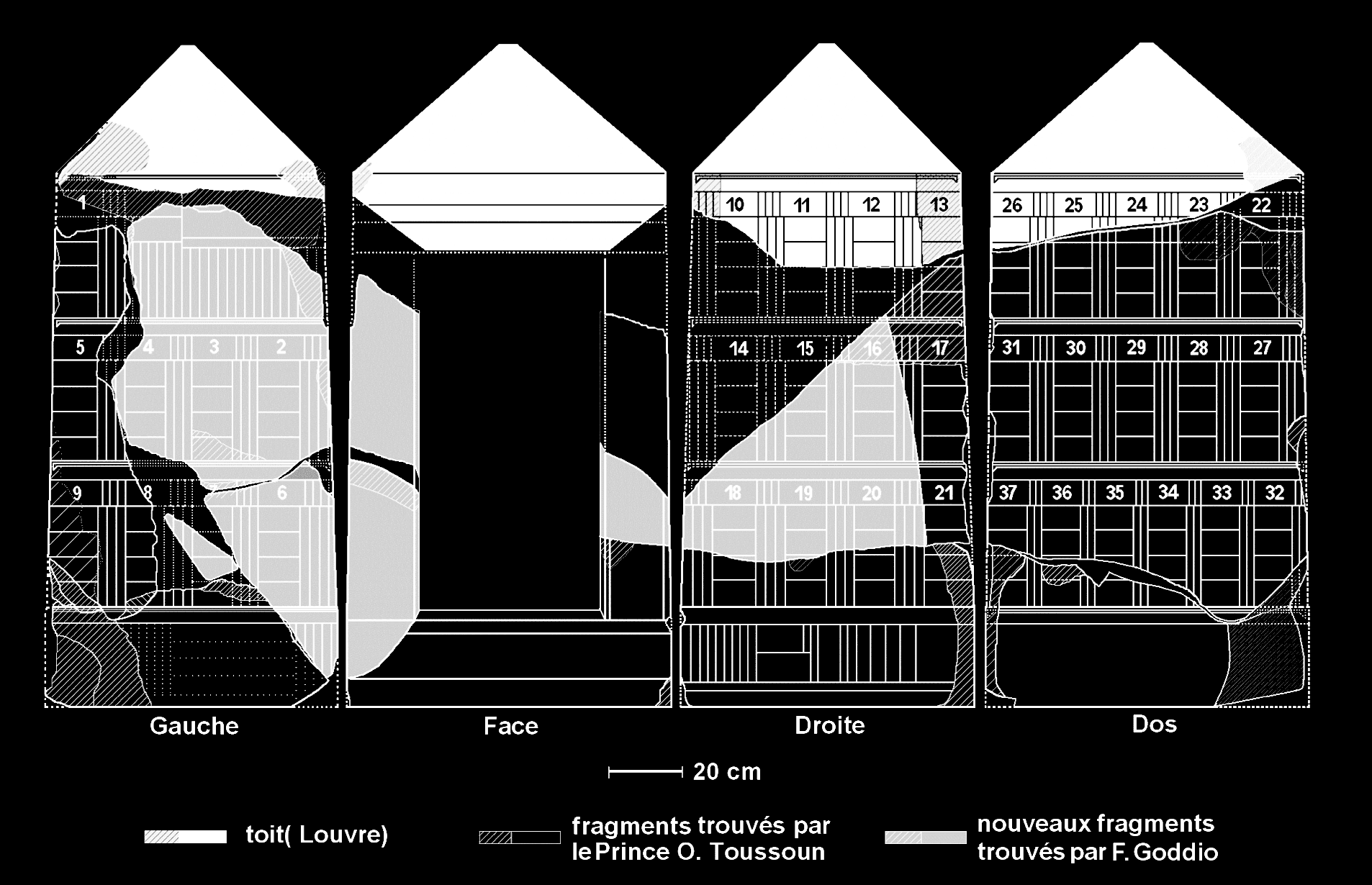
Given the shortfall of this 360 day cycle's coincidence with the heliacal rise of Sirius (365.25 days), 5 intercalary days were added to the decanal calendar to synchronize it with the solar year, or renpet. Known to the Egyptians as heriu-renpet, “five days upon the year,” this half-decade preceding the new year constituted a time outside of time, fit for celebrating the birth of the gods.
An additional day was added in leap years during the reign of Ptolemy III (246 - 222 BC) to correct the quarter-day drift between the rise of Sirius and the yearly inundation of the Nile. Presented in three languages (Hieroglyphs, Demotic, and Greek), Ptolemy's Canopus Decree recounts the inauguration of the calendar: "And moreover, from this day onward, one day, a festival of the Beneficent Gods, shall be added every four years, in addition to the five additional days, at the beginning of the New Year, so that it may be made known to all men that the arrangement of the seasons of the year was somewhat defective, and that the year [itself], and the rules which exist as to the laws of the science of the ways of heaven have now been set right, and [what was lacking] has been supplied by the two Beneficent Gods."
Closing out this liminal period was festival of wep renpet, or “opening of the year,” a time devoted to feasts and offerings in worship of the sun god Ra. Beyond the festivities, wep renpet embodied the birth of a new season of the inundation (Akhet, ʒḫt) beginning in the month of Tḫy, or Thoth.
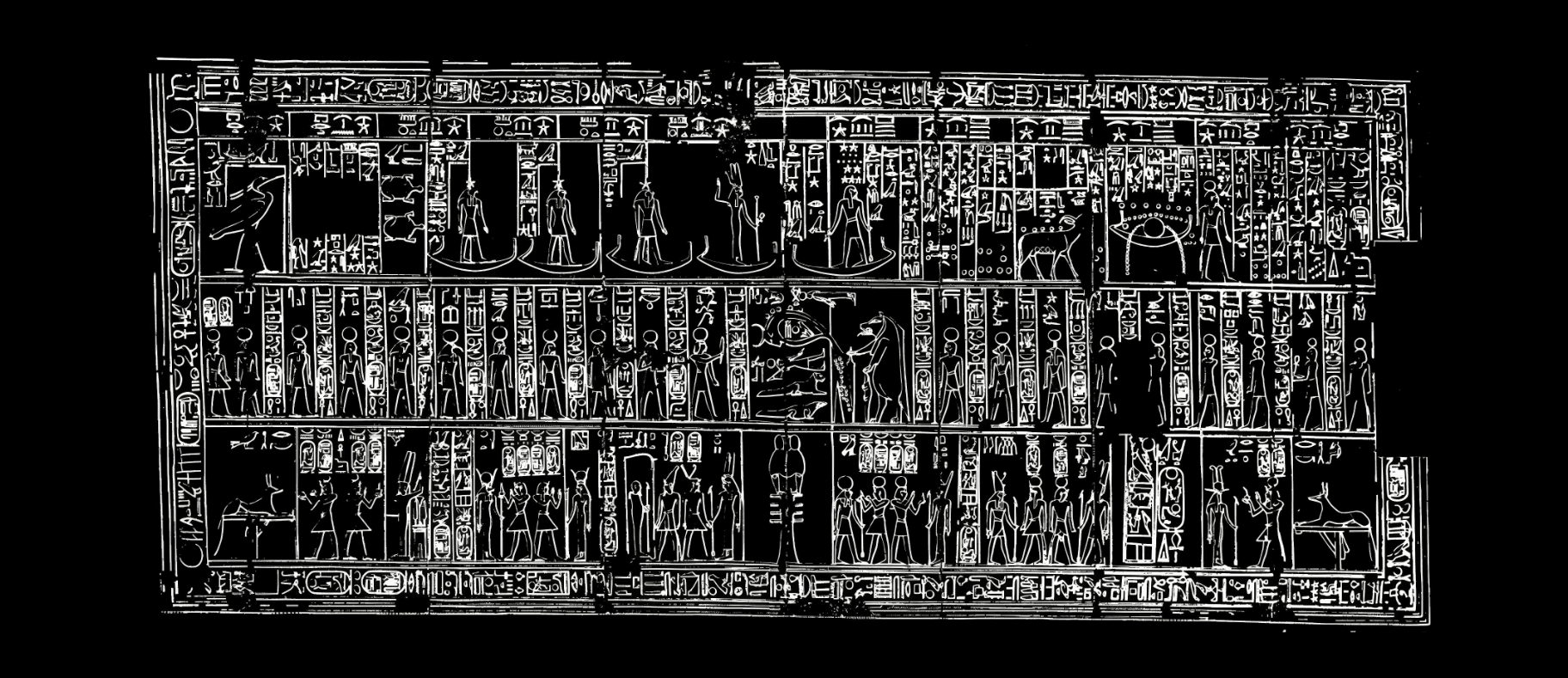
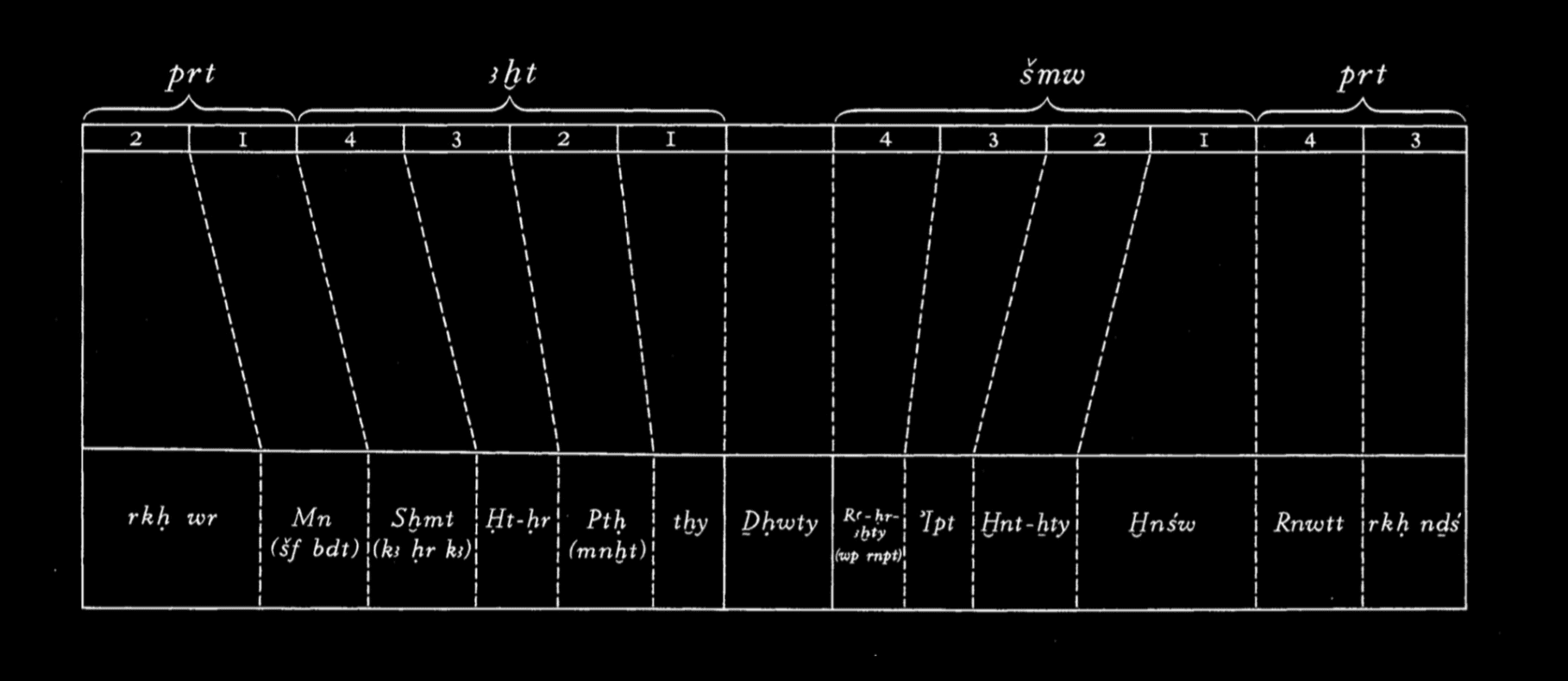
Arrival at a calendar of this complexity would not be possible without first reckoning the cyclicality of more easily observable phenomena — the length of day and night, phase of the moon, and the change of season.
Beginning in the season of Ahket, the Ramses IV calendar (above) divides into three seasons, each comprised of four 29.5-day cycles of the moon, or synodic months. The following season (Peret, prt) marked the time to plow the fields and plant crops, and Shemu (šmw) to harvest the grains.
In accordance with this entrainment of agricultural production and lunar timekeeping, the conduct of feasts and religious festivals largely followed suite. Within the year, each synodic month would begin (at the new moon) with a deity-specific feast, while subsequent phases (Crescent, Full, Quarter) designated special festivals.
Lagging behind each solar month (30 days), this 354-day lunar year was also brought into sync with the solar year through a 13th intercalary lunar month named Thoth every few years, resolving into a epoch of 25 civil years, or 309 lunar months.
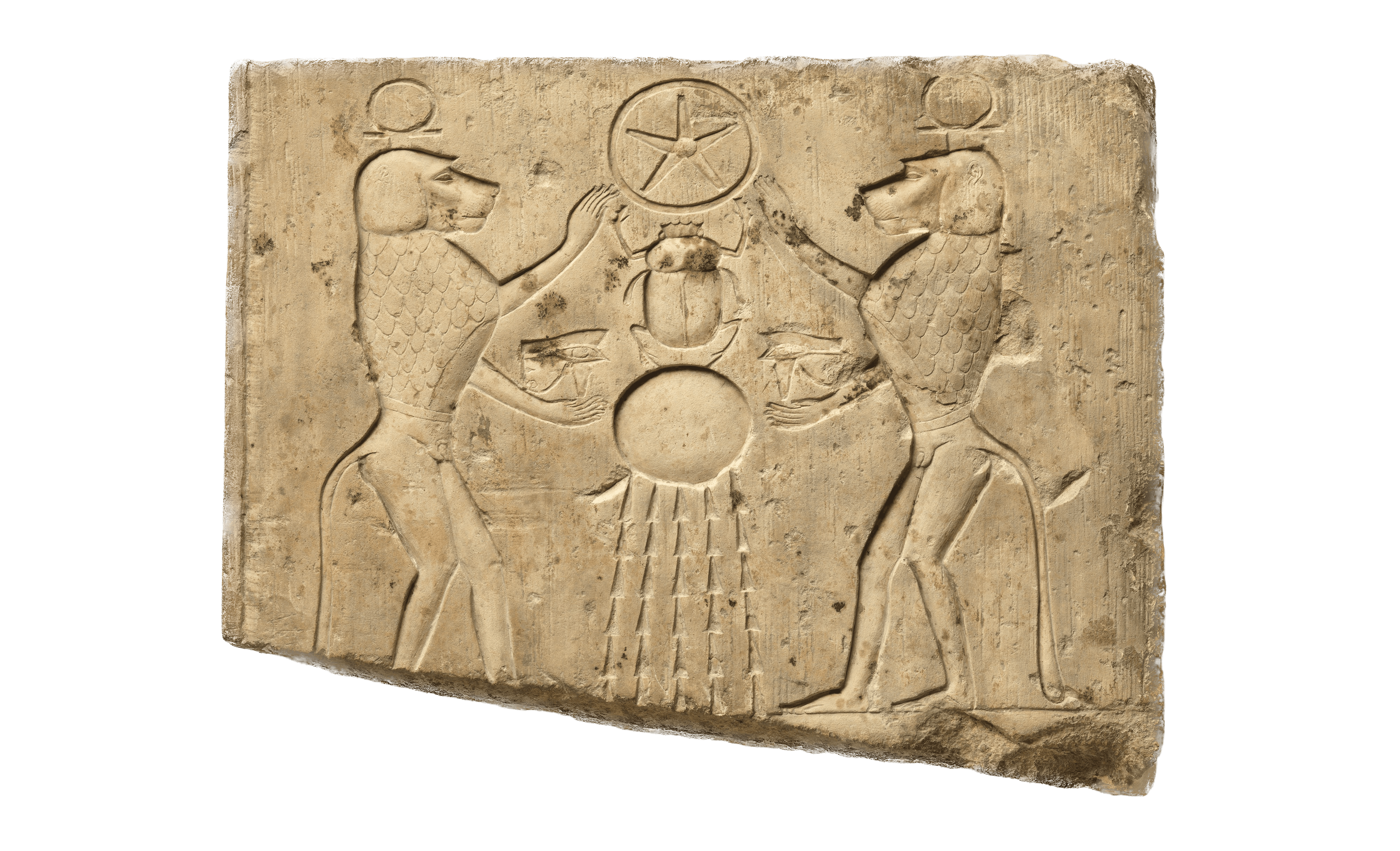
As God of the Moon, Thoth presided over magic, judgement, and the act of writing. In lending his name to the intercalary lunar month, Thoth (known to the Greeks as Hermes) brought the affairs (above) of the sublunary sphere into alignment with the procession of heavenly bodies.
This dance of luni-stellar and civil calendars laid the foundation for the institution of the Pharaonic Dynasty and subsequent advancements in technology, agriculture, and literacy throughout Ancient Egypt. The coordination of the administrative functions and accounting of this dynastic system gave way to "official days," expressed as a specific day within a specific month of a season (eg. Day 15, Month 3 of the Inundation Season) in the regnal year of the Pharaoh (eg. Year 5, Ramesses III).
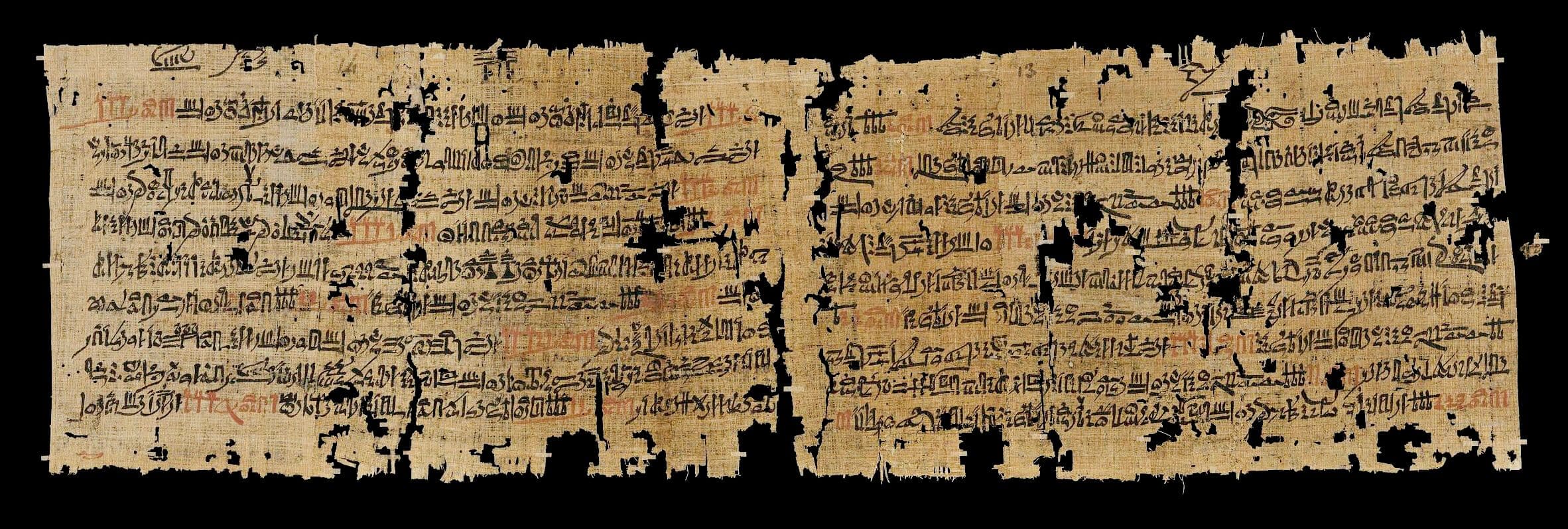
In this cascading synchronism of heaven and earth unfolded the serial almanac for the everyday man. Composed during the 19th Dynasty (ca. 1225 BC), the Papyrus Sallier IV (above) outlines three prognoses (morning, mid-day, night) for each day in a given deity's month over the course of 8 months.
In it, good days, in which the gods might be more approachable or some traditional feast date, are written in black, "This is the day on which the gods received their hearts. The world keeps the festival," and unlucky days of the year, or omens, are written in red, "Do not go out on this day. Do not turn your back to do any work at sunset. Whoever is born on this day will die through a serpent."
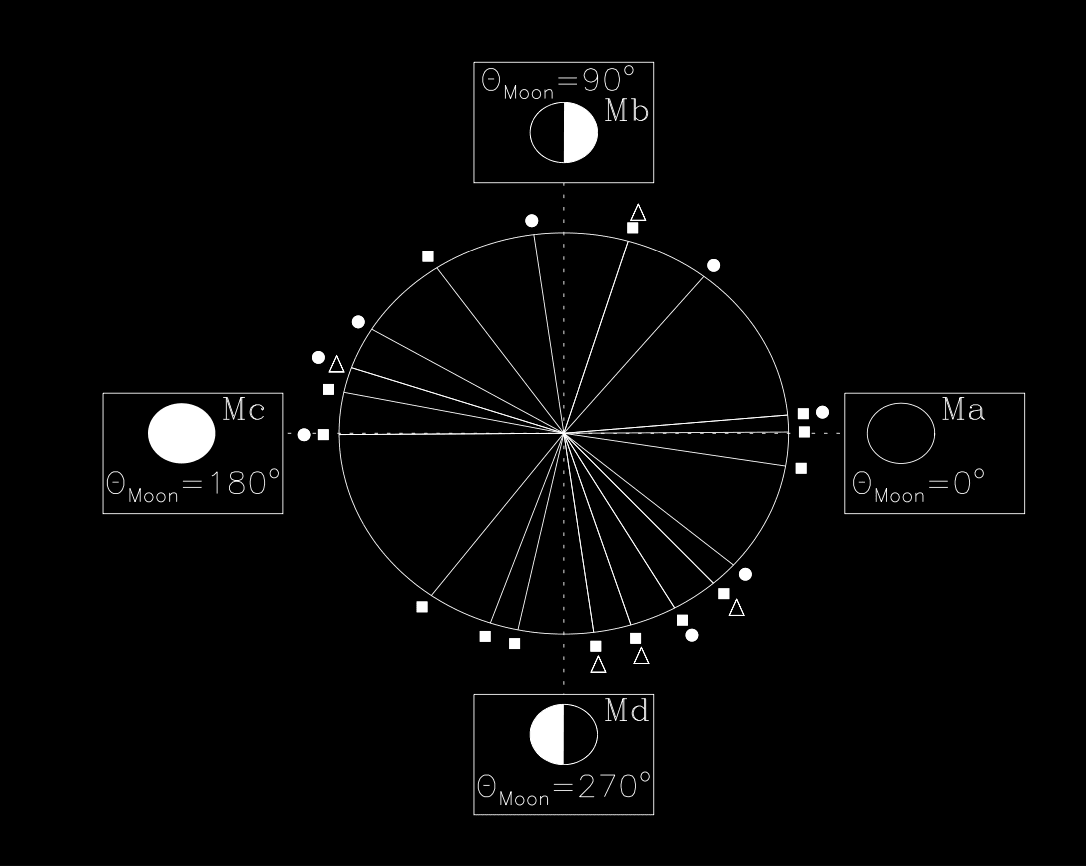
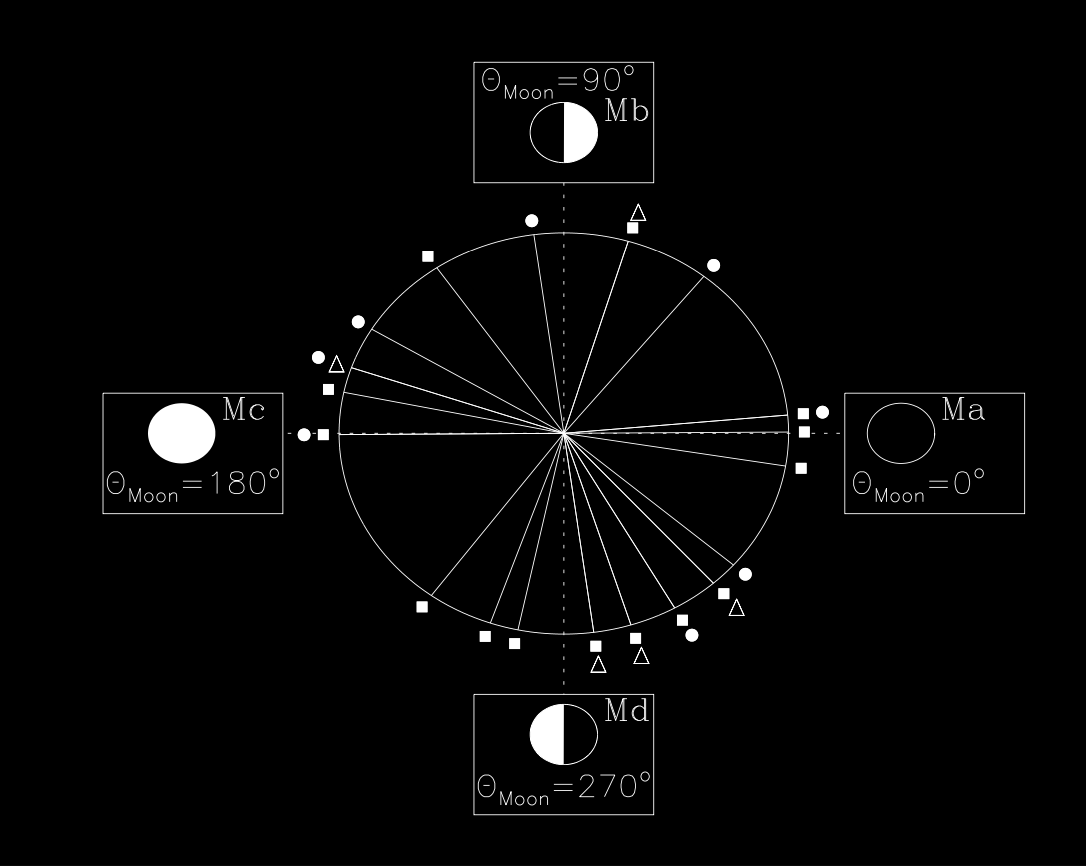
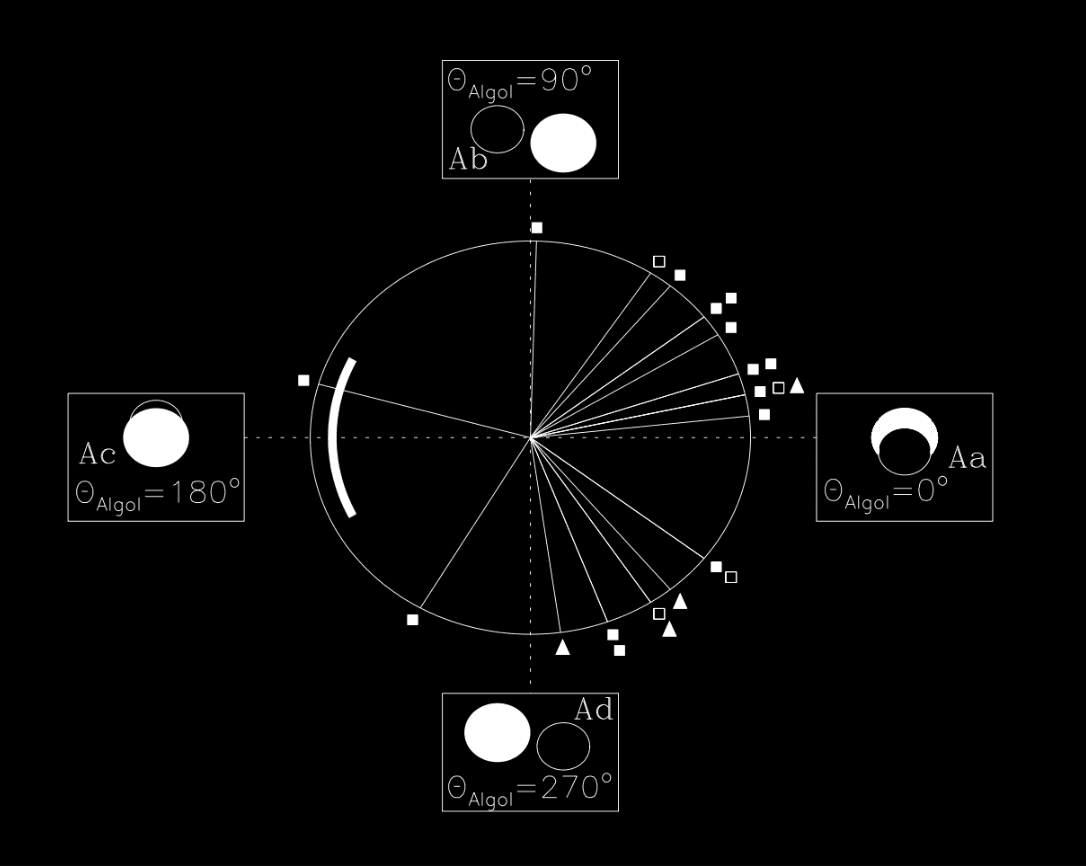
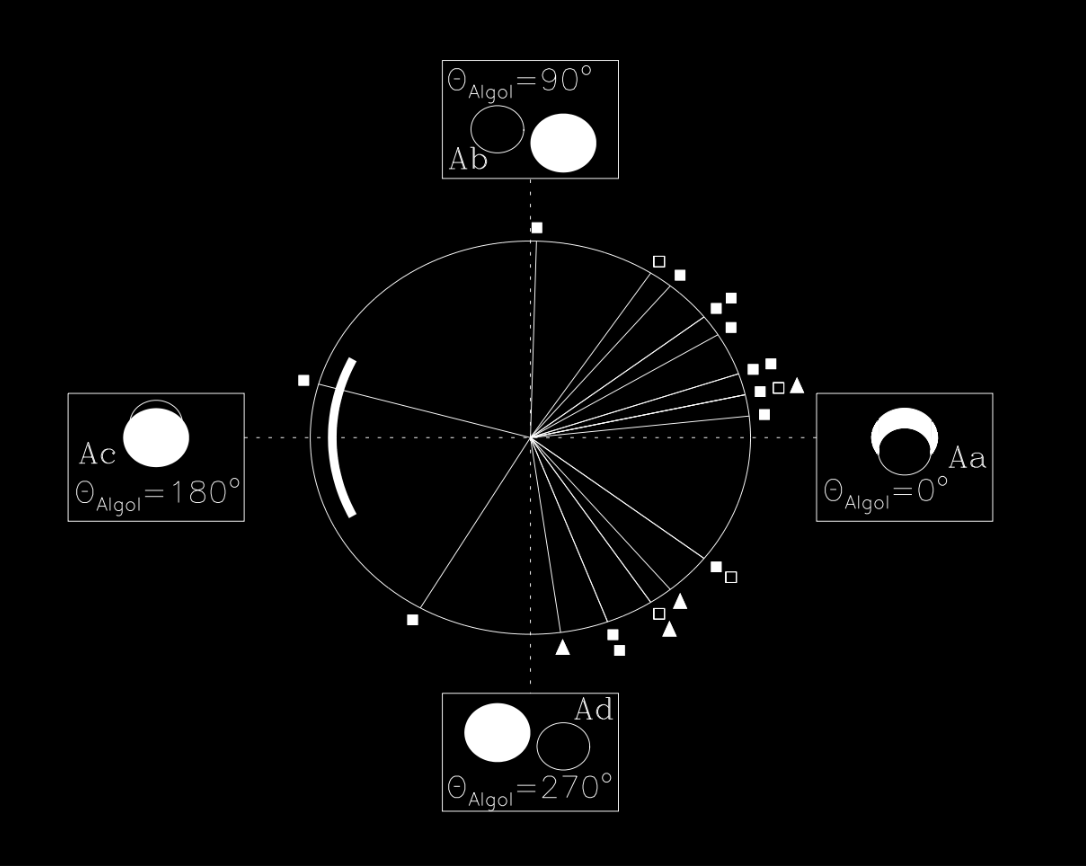
This calendar and others (Papyrus Cairo 86637, Papyrus BM 10474) exhibited both prognoses in synchrony with phases of the moon (7.5 days), and good prognoses in particular with the blinking of the variable star Algol (2.85 days) as indicated (above) by the use of select words: “Horus” (closed squares),“Wedjat” (open squares) and “Sakhmet” (closed triangles).
By no coincidence, the brightest phases of the both Algol and Moon coincide with good luck, whereas eclipses and new moons portend misfortune, especially for those who wish to "go out and see the darkness."
In the Hellenistic tradition, Algol was referred to as “the head of Gorgon.” A similar tradition continued into the Arabic name ra’s al-ghu ̄l, or "Head of the Ghoul." In the Papyrus Cairo, the sole portent in Algol’s primary eclipse (above, 180º) reads: “The gods are in jubilation and in joy over the making of will for Horus.”
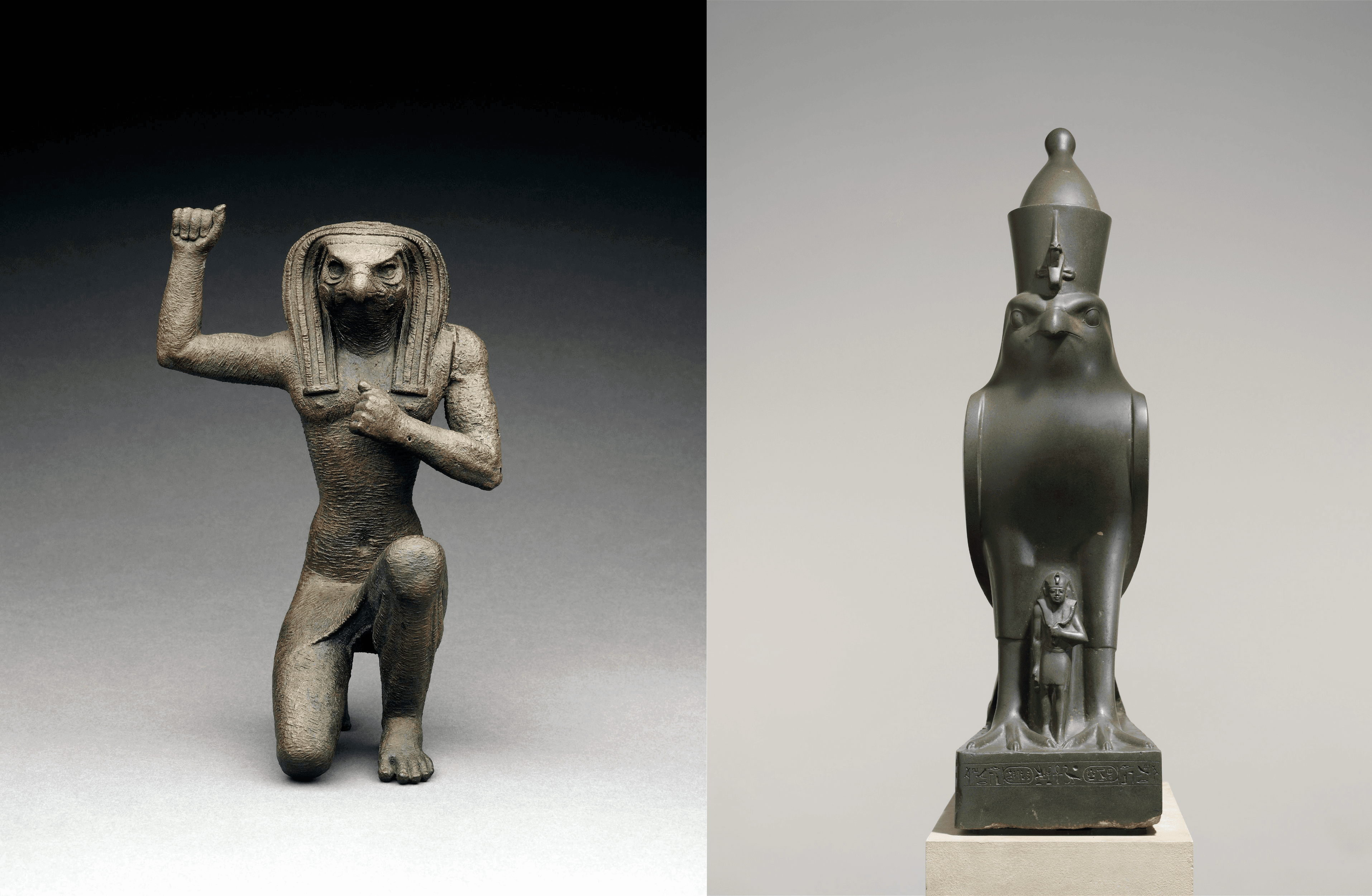
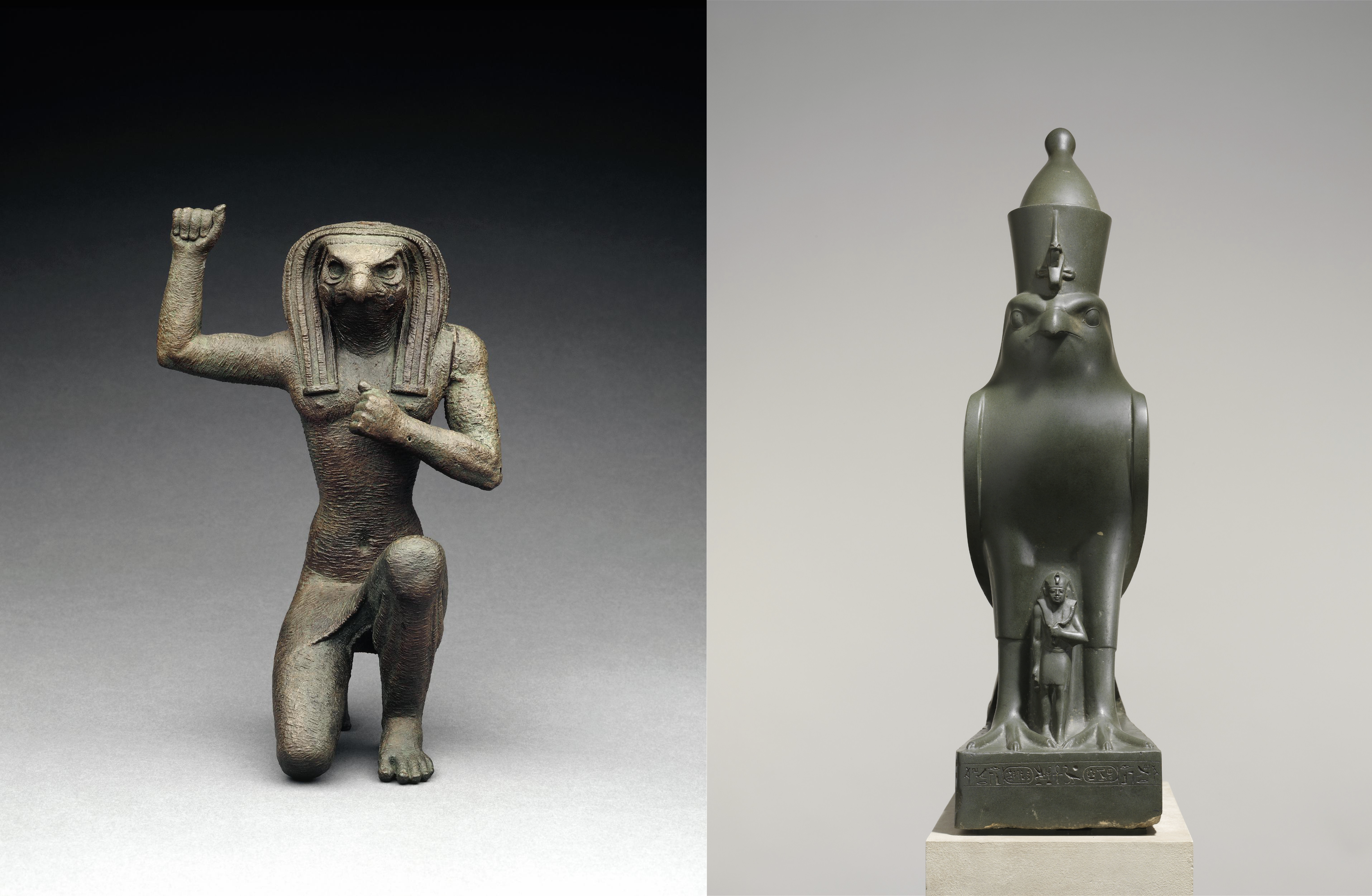
In Egypt's founding myth, the Pharaoh Osiris is murdered by his older brother Seth, God of Chaos. Horus, son of Osiris, and Seth then engage in a series of competitions for the throne. In a protracted textual account, Seth injures Horus' eye, which is later restored by Thoth.
With restored eye, young Horus bests Seth in a series of matches, and the Heliopolitan Ennead convenes in trial to consecrate Horus as the next Pharaoh against the wishes of an incensed Ra. After a lengthy trial and further bouts, Horus emerges as the victor. As Pharaoh he then unifies Upper and Lower Egypt, cementing the father-to-son ascension of the throne.
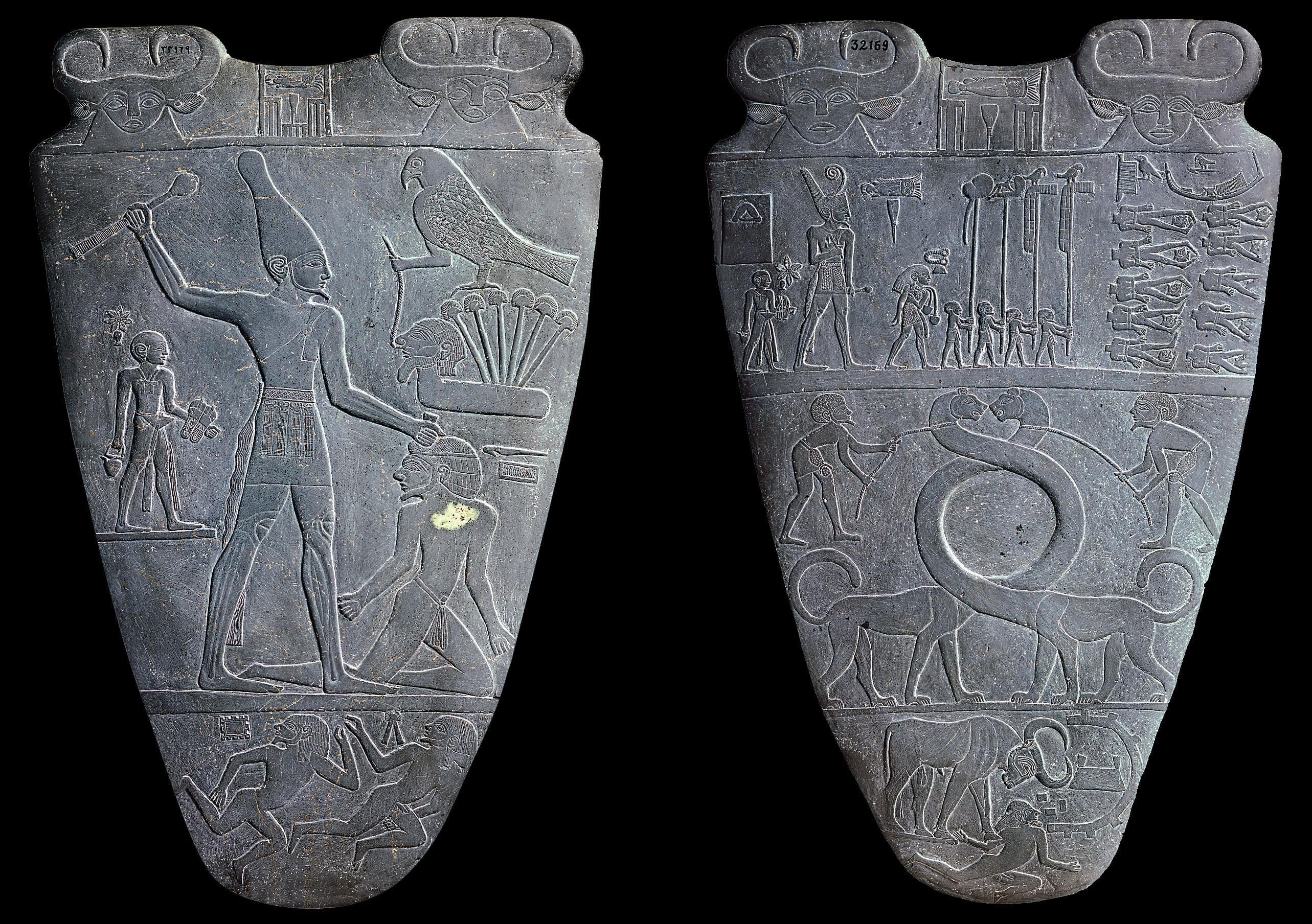
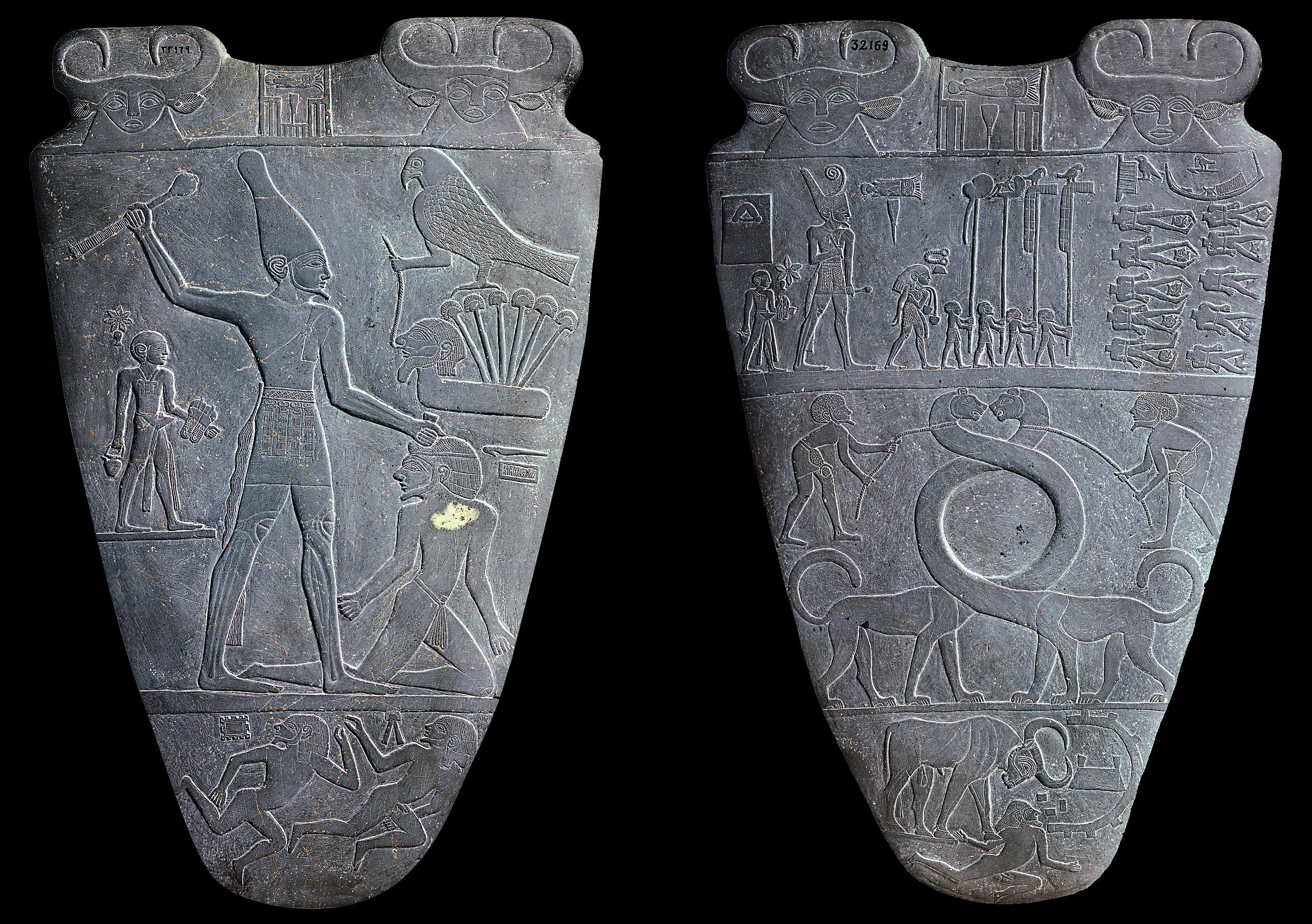
Prior to unification, separate calendars were used in Upper and Lower Egypt, the distinction between Upper / Lower referring to the source of Nile,"upriver." Whereas Upper Egypt's calendar revolved around the inundation of the Nile, Lower Egypt observed the winter solstice as new year, as indicated by the orientation of temples towards winter sunrise and sunset.
In this cosmogony, the gods of the Heliopolitan Ennead embodied these observed phenomena, as well as Egypt's ongoing conflict with Persia (Chaos, Seth) in Lower Egypt, and the development of agrarian civilization in Upper Egypt (Order, Osiris).
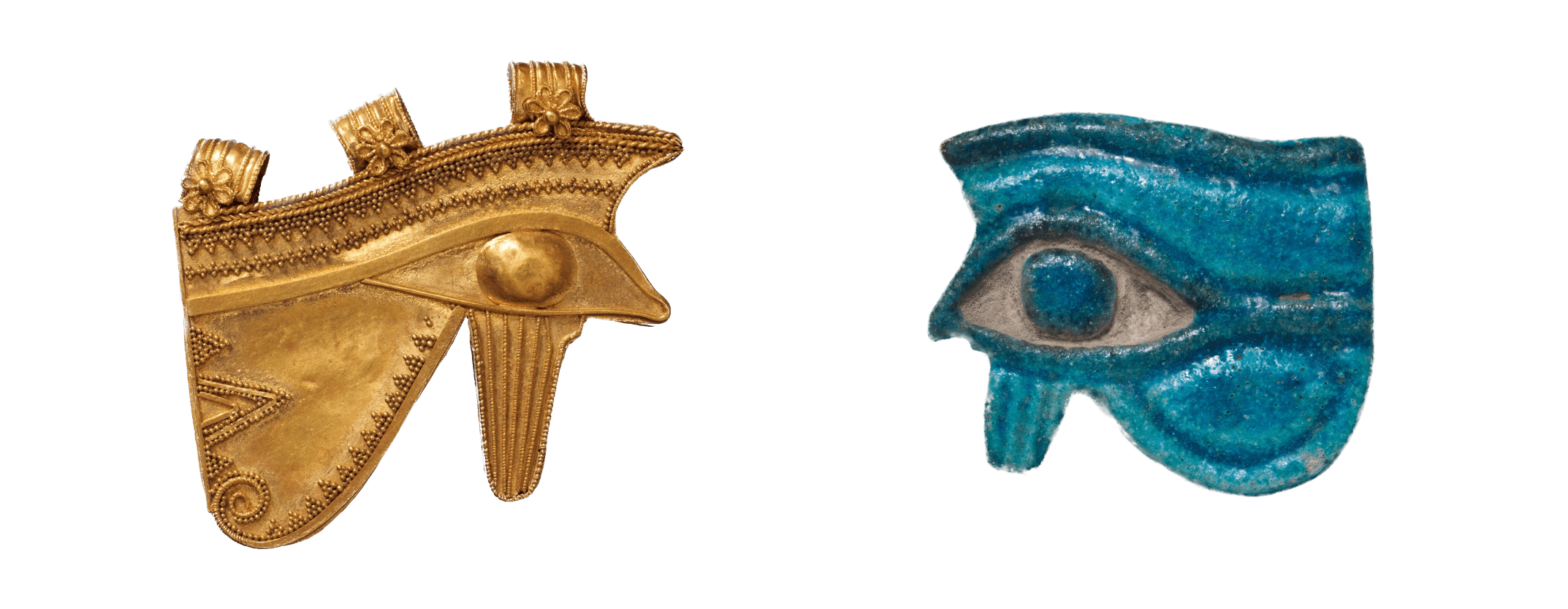
Upon taking the throne, Horus descends into the netherworld to visit his deceased father, offering him his left eye in effort to revive the fallen king. Fully enlivened in the afterlife, Osiris takes his place as King of the Dead.
From this foundational myth emerges one of the most auspicious icons found in Ancient Egypt, the wedjat, or "the one that is sound (again)." As an amulet, the wedjat (above) was used to protect its wearer, imparting the power of recovery and regeneration both in life and death.
Commonly found in the earliest mastabas through to the great pyramids, these symbols, much like Horus' offering to Osiris, aided in the passage and rebirth of the wearer's soul, or ba, into the afterlife.
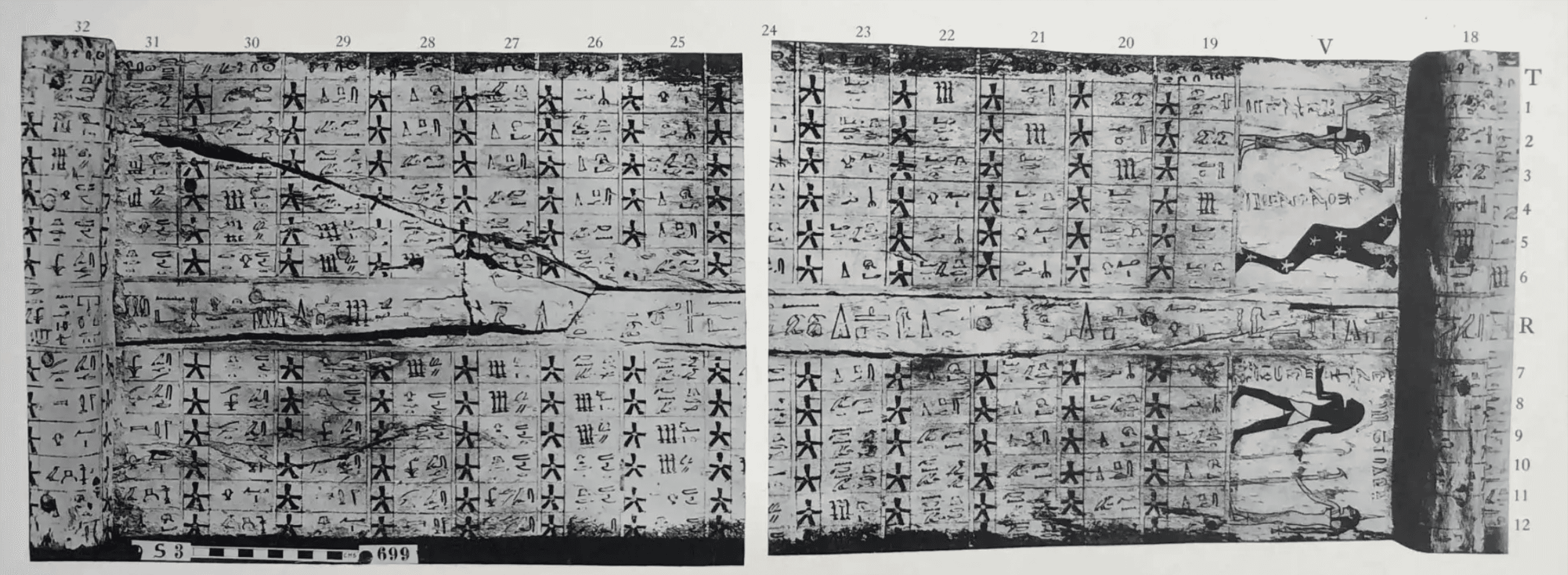
Beyond the accoutrements, it was of great importance to time the entry of the soul into the netherworld. In many cases preparations were made for the construction of a coffin or tomb well before the time of death.
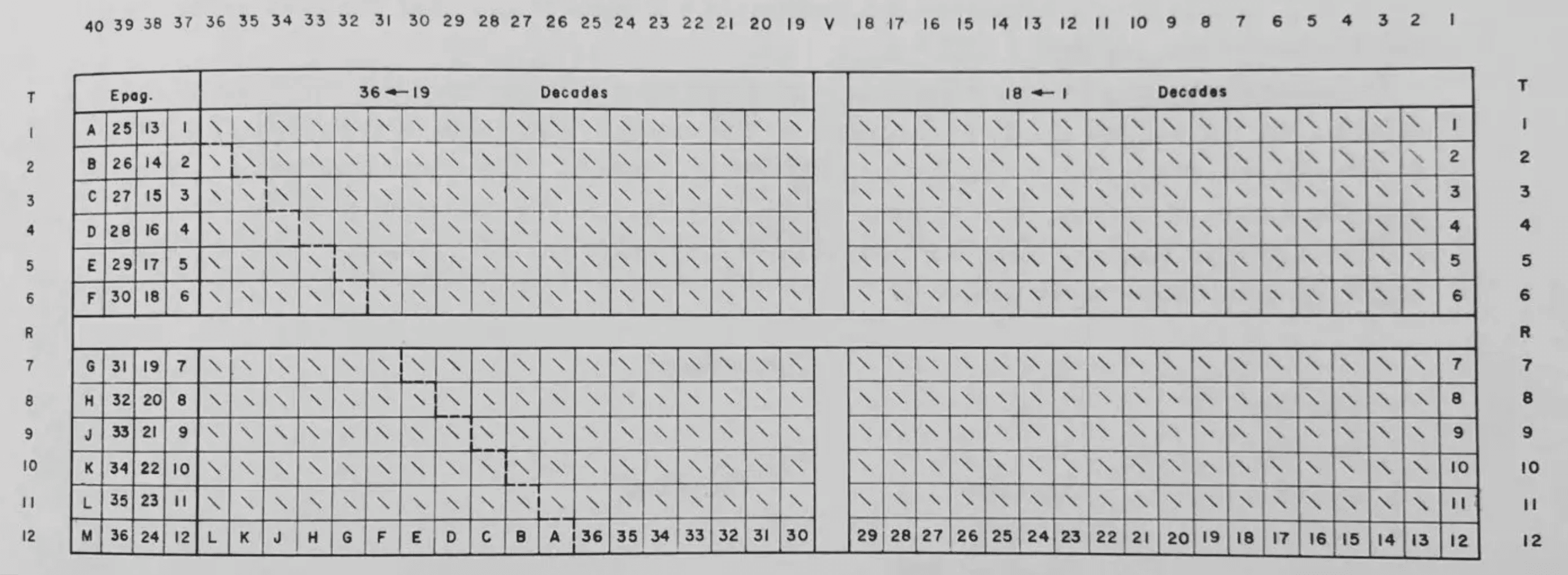
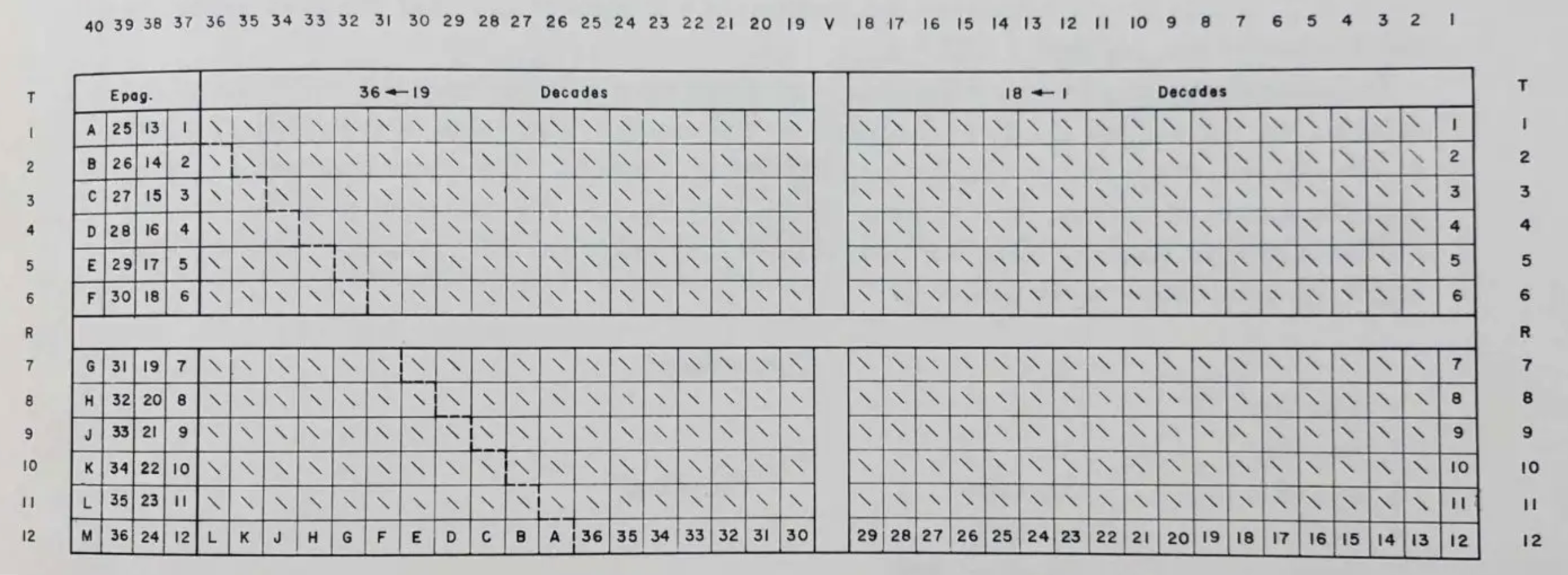
Upon death, the corresponding decan was notated, and inscribed inside coffins as early as the First Intermediary Period (ca. 2181 - 2055 BC) onwards. These diagonal star tables (above) recording the hours and decades at the time of death, as well as the time the burial was to take place, 70 days later at the heliacal rising of the fallen decan.
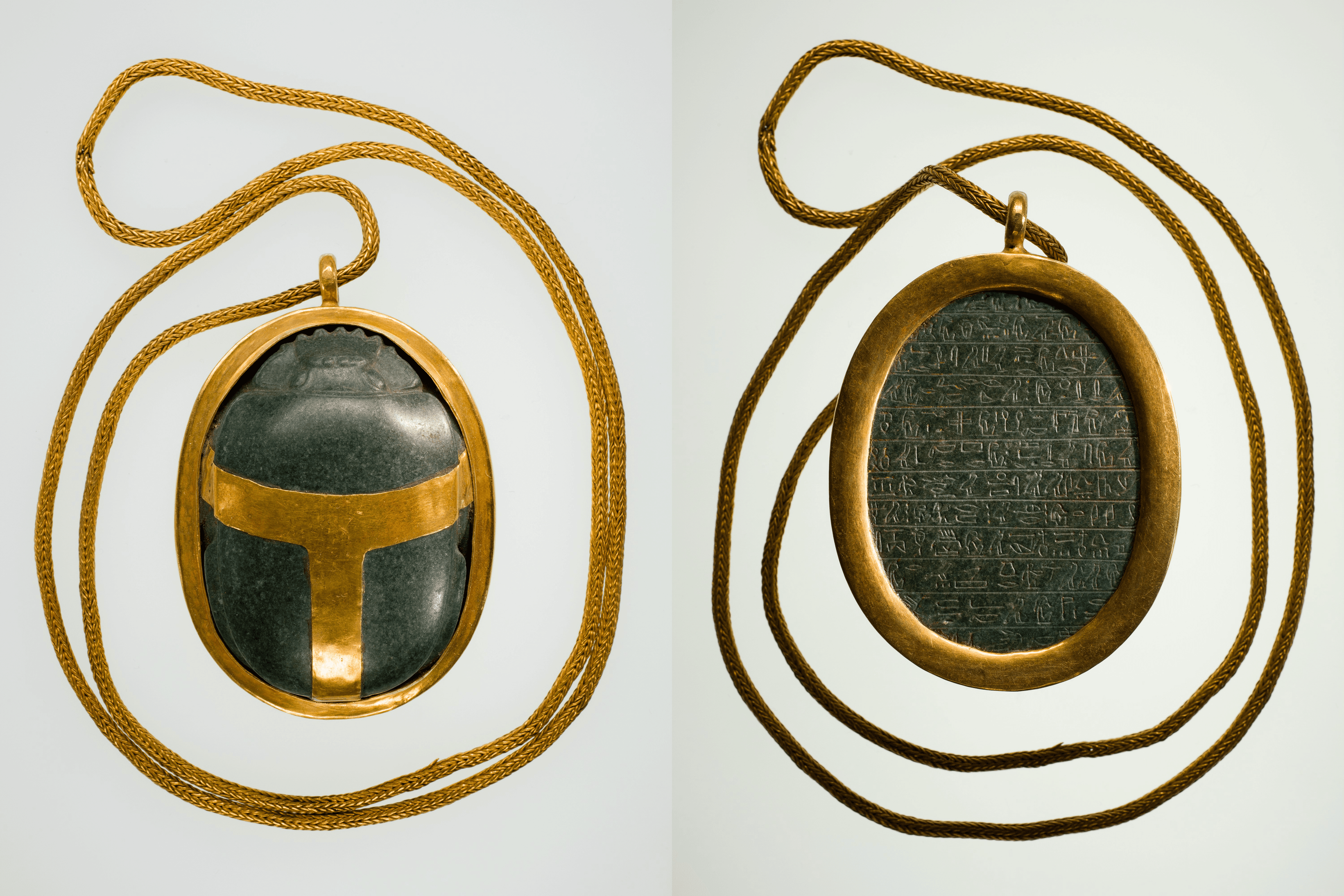
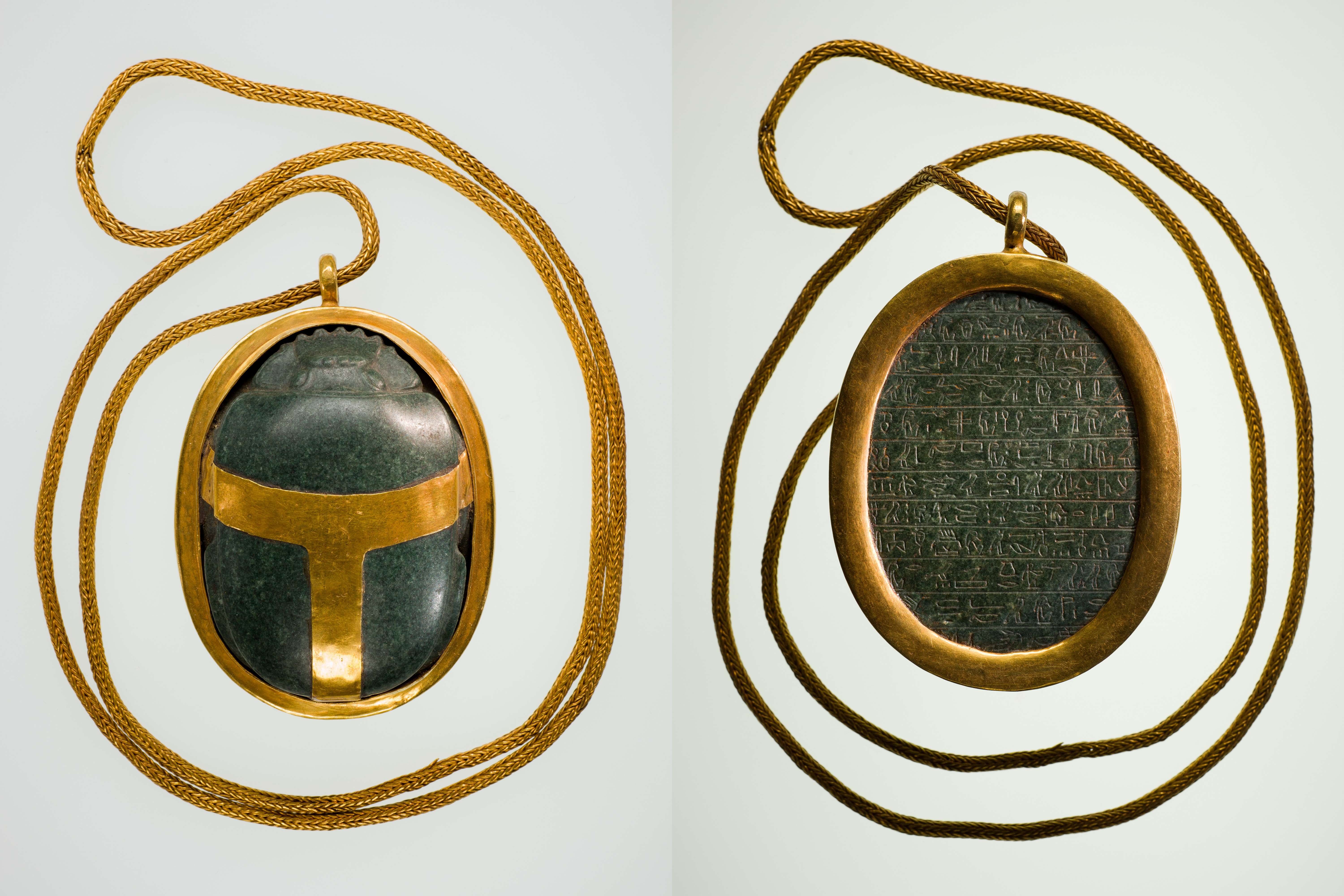
The body then underwent the process of mummification. First, water-filled organs were removed (liver, stomach, intestines, and lungs) or discarded (brain) and then placed into canopic jars. The body was then treated with preservatives for 40 days. Prior to burial, priests wrapped the body in cloth and amulets, recited spells from the Book of the Dead, and opened the mouth of the deceased. Into the coffin, a final scarab amulet was placed over the heart, and with that the deceased's soul, or ba, embarked on its passage of rebirth in the Duat.
Having emerged fully-formed from a dung ball, the scarab was considered by to have been created from nothingness, much like the newly born sun. This early sun, known as the deity Khepri, derived his name from the verb ḫpr, meaning to "develop", "come into being", or "create."
Placed over the heart, the scarab amulet (above) ensured the deceased’s safe passage into the netherworld, with specific instructions for the weighing of the heart ceremony upon arrival. Inscribed on the reverse side of the amulet is Spell 30(A) from The Book of The Dead appealing to the heart to not testify against the deceased:
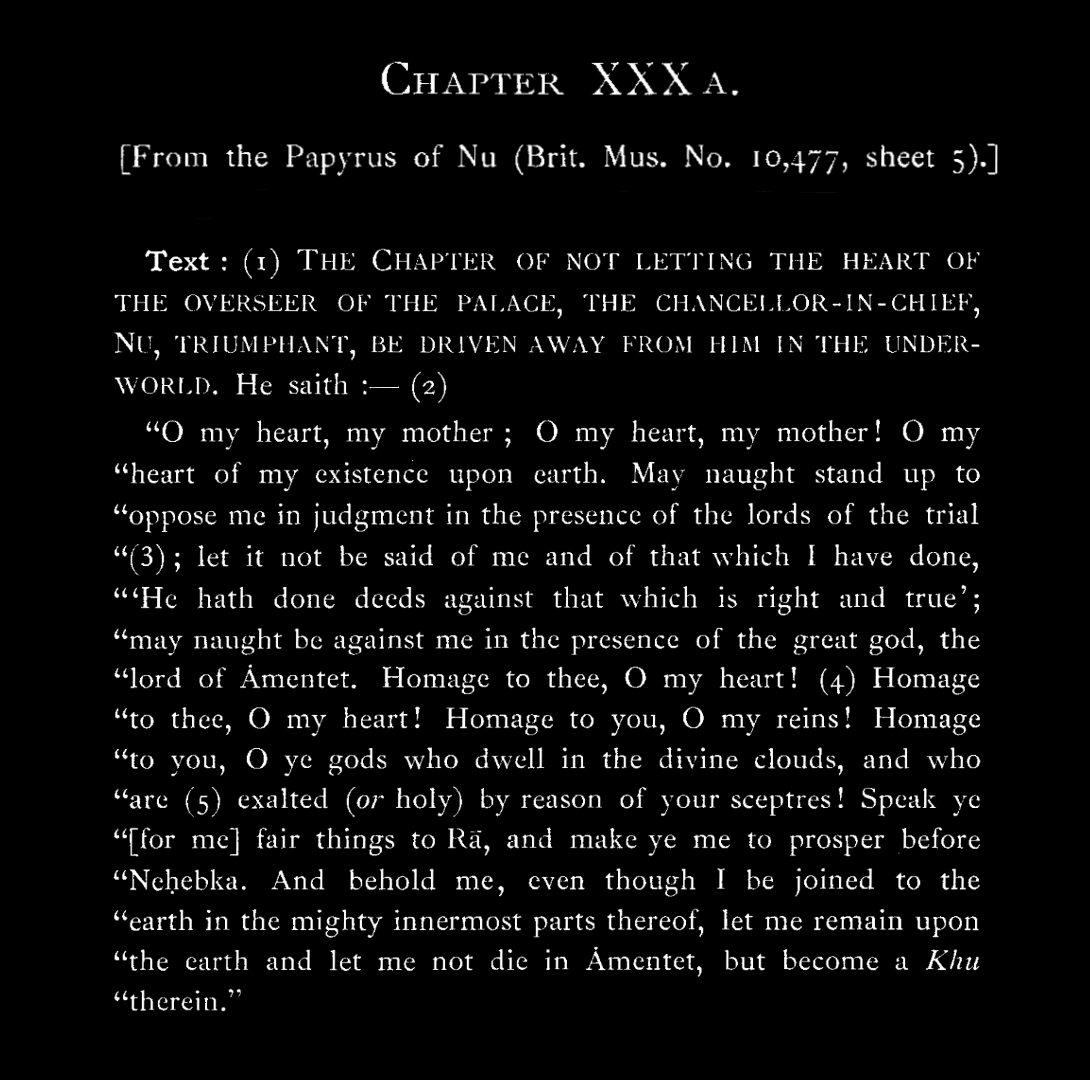
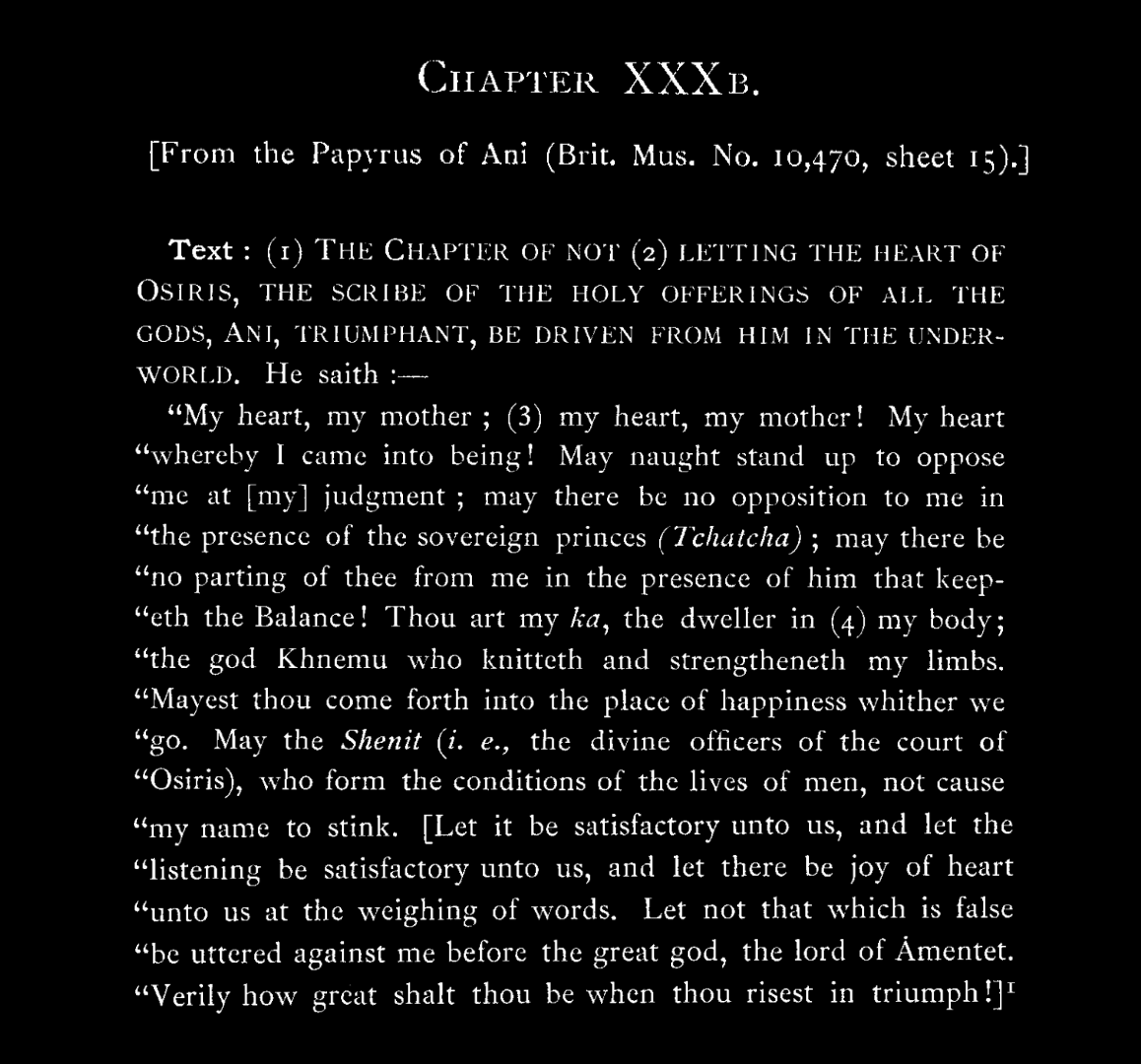
To the Egyptians, the heart, or ib, rather than the brain, was the source of human wisdom and the centre of emotions and memory, and was conceived as surviving death in the Netherworld, where it gave evidence for, or against, its possessor.
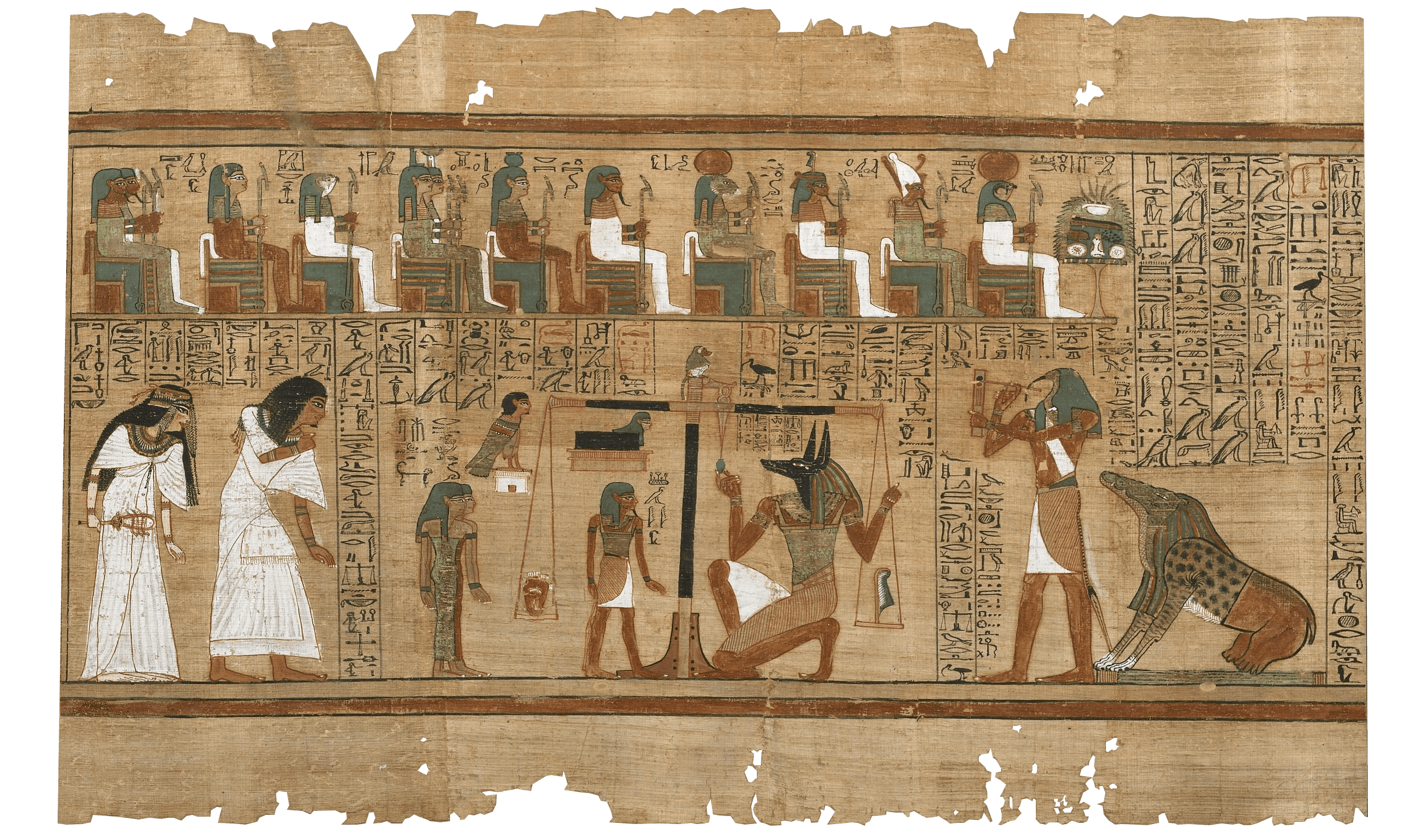
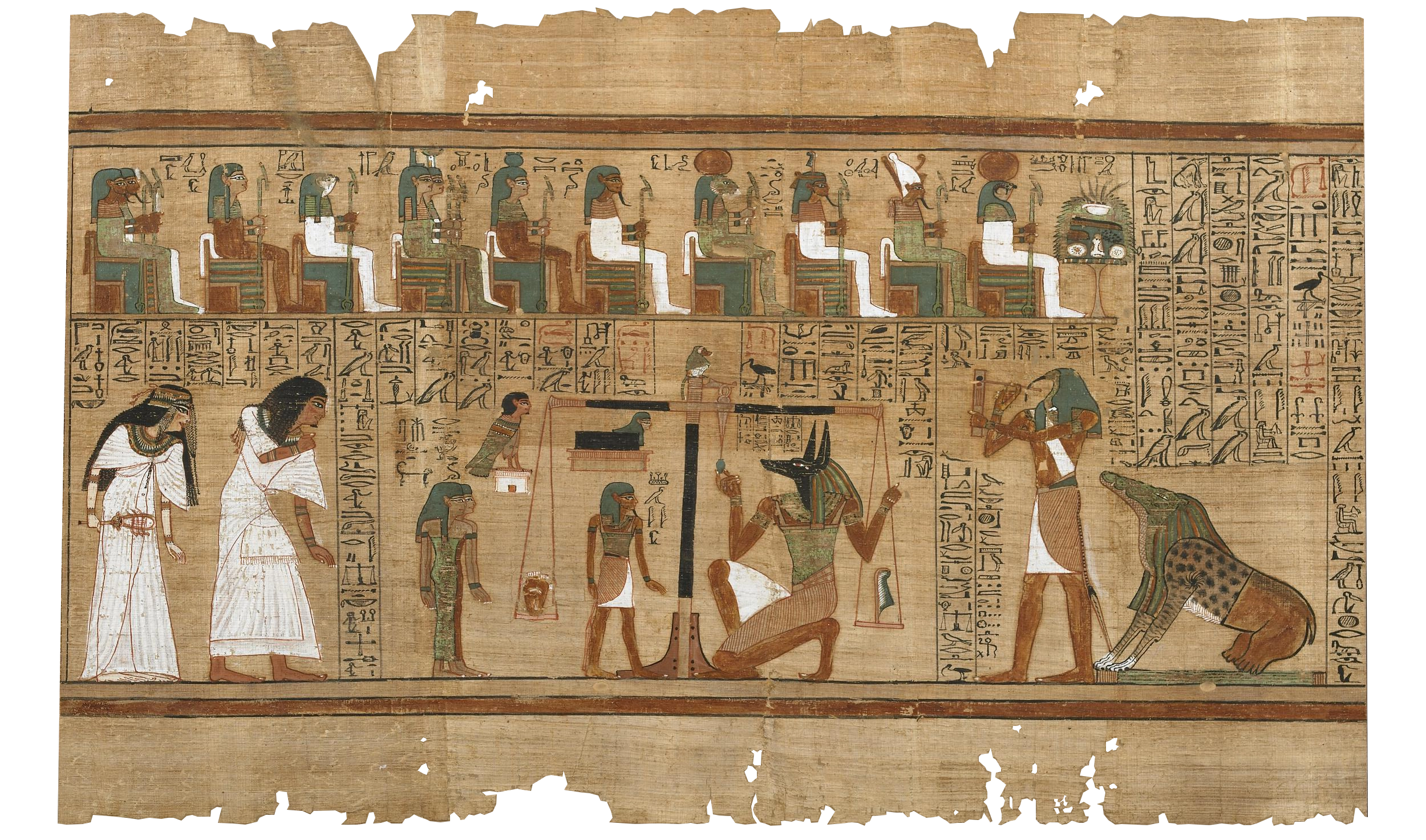
The heart was then examined by Anubis (above, right of scale pointer) under the supervision of Thoth (above, right of Anubis) during the weighing of the heart ceremony. If the heart weighed more than the feather of the Goddess Ma’at, it was immediately consumed by the monster Ammit, Devourer of the Dead (above, bottom right). If deemed lighter, the deceased's ba was granted passage from the earthly order of neheh into the celestial djet.
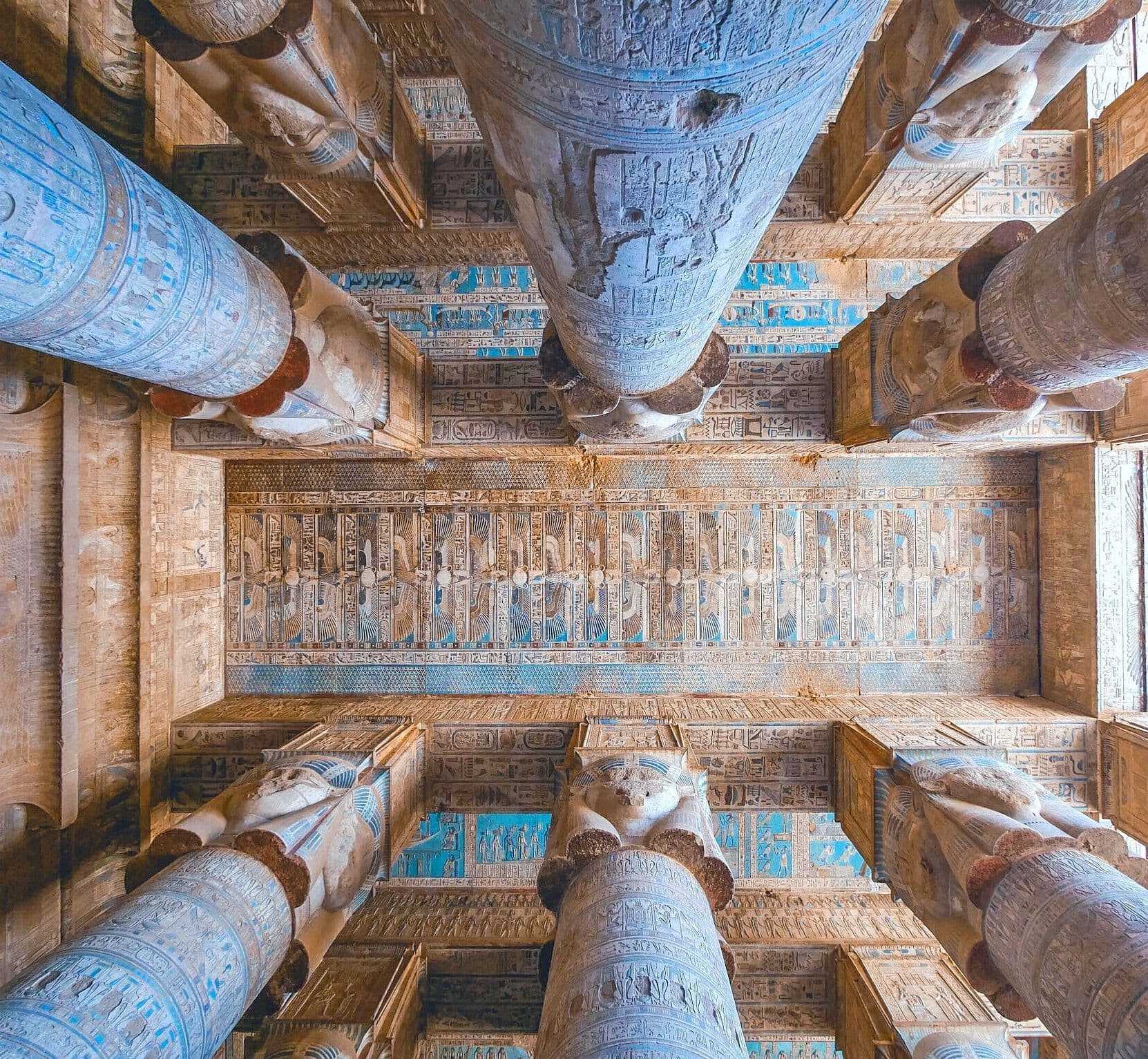
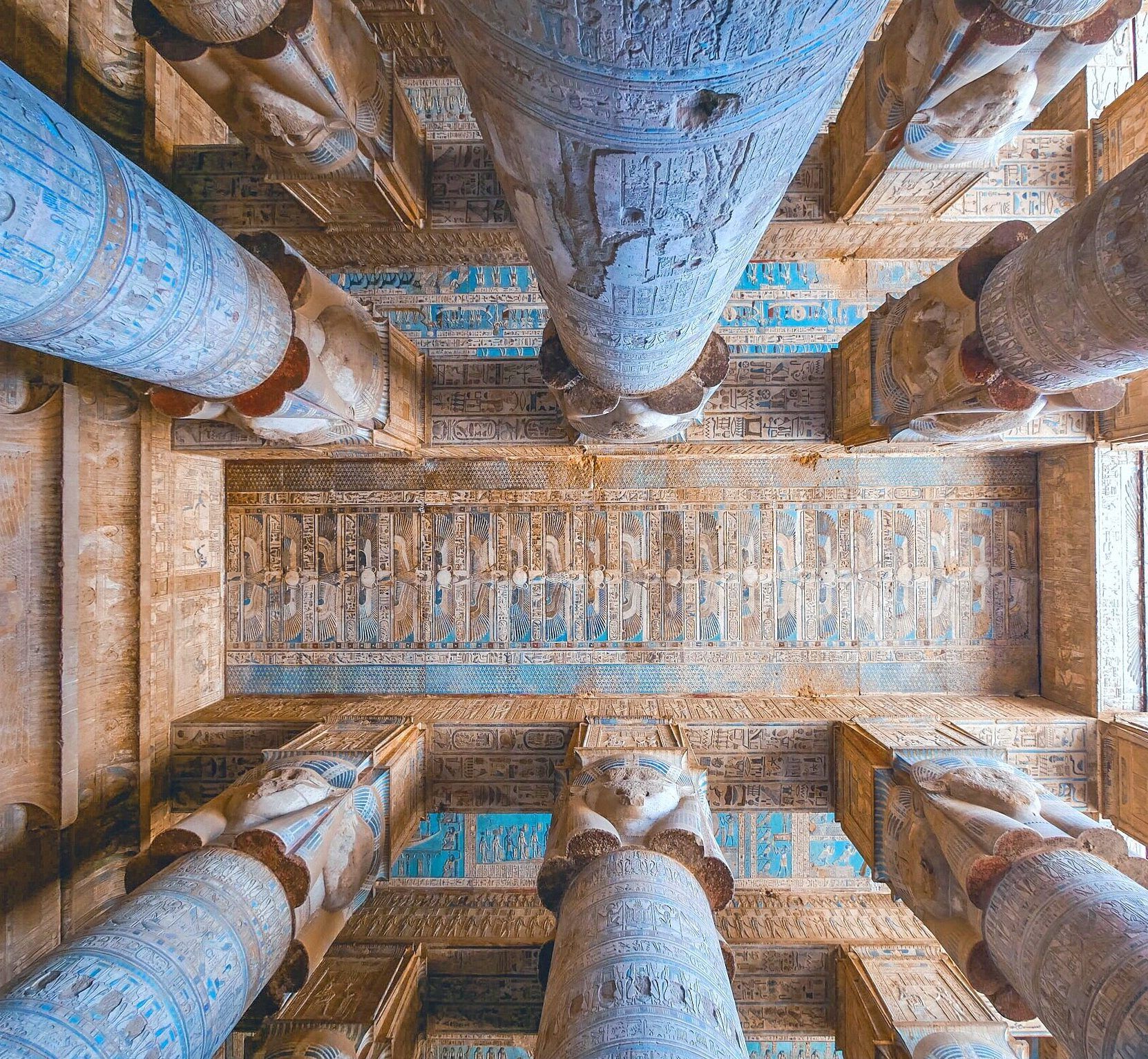
Whether rent in the jaws of Ammit, or lifted into djet, one was bound to an inescapably divine order, inshallah. The transition from Shu’s sublunary light cavity into the heavenly body of Nut, however distinct it may seem, was manifestly observed as a reshaping of the latent life force immanent in all things.
This continuum aligned all aspects of life into a consubstantial construct, one in which every part could provide an interpretation of the whole. In it, there existed life in death, administered by the gods through observed phenomena, choreographed by celestial intermediaries in the firmament of time.
Participation in this worldview unfolded as a homologous experience of man and god alike, converging through manifold systems into an approximation to reality. Downstream of the primordial ocean of Nu, all was bound to return to Nu, whence it came. The will of this universe was simultaneously one and many.
To be in it was to be of it.
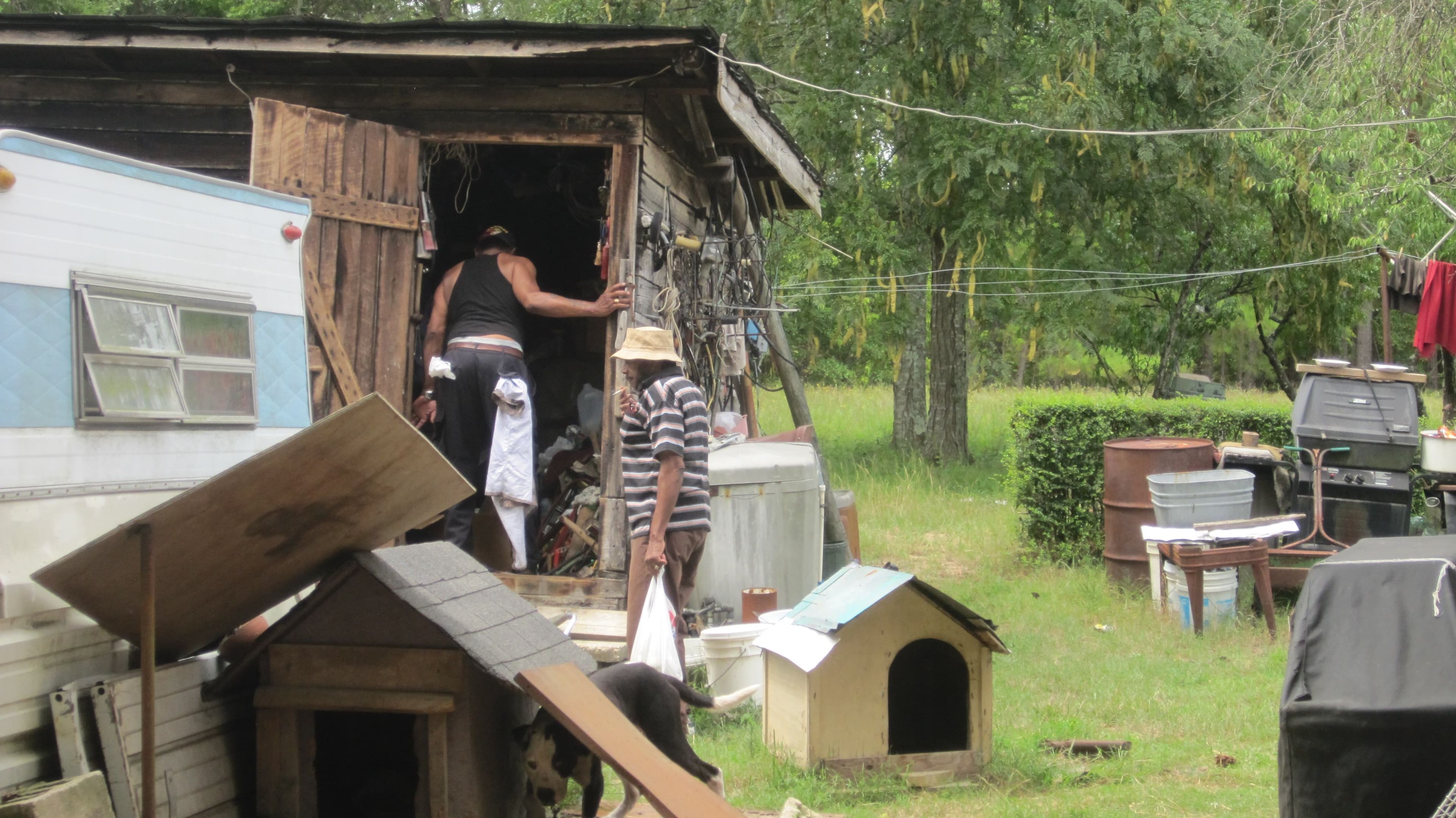
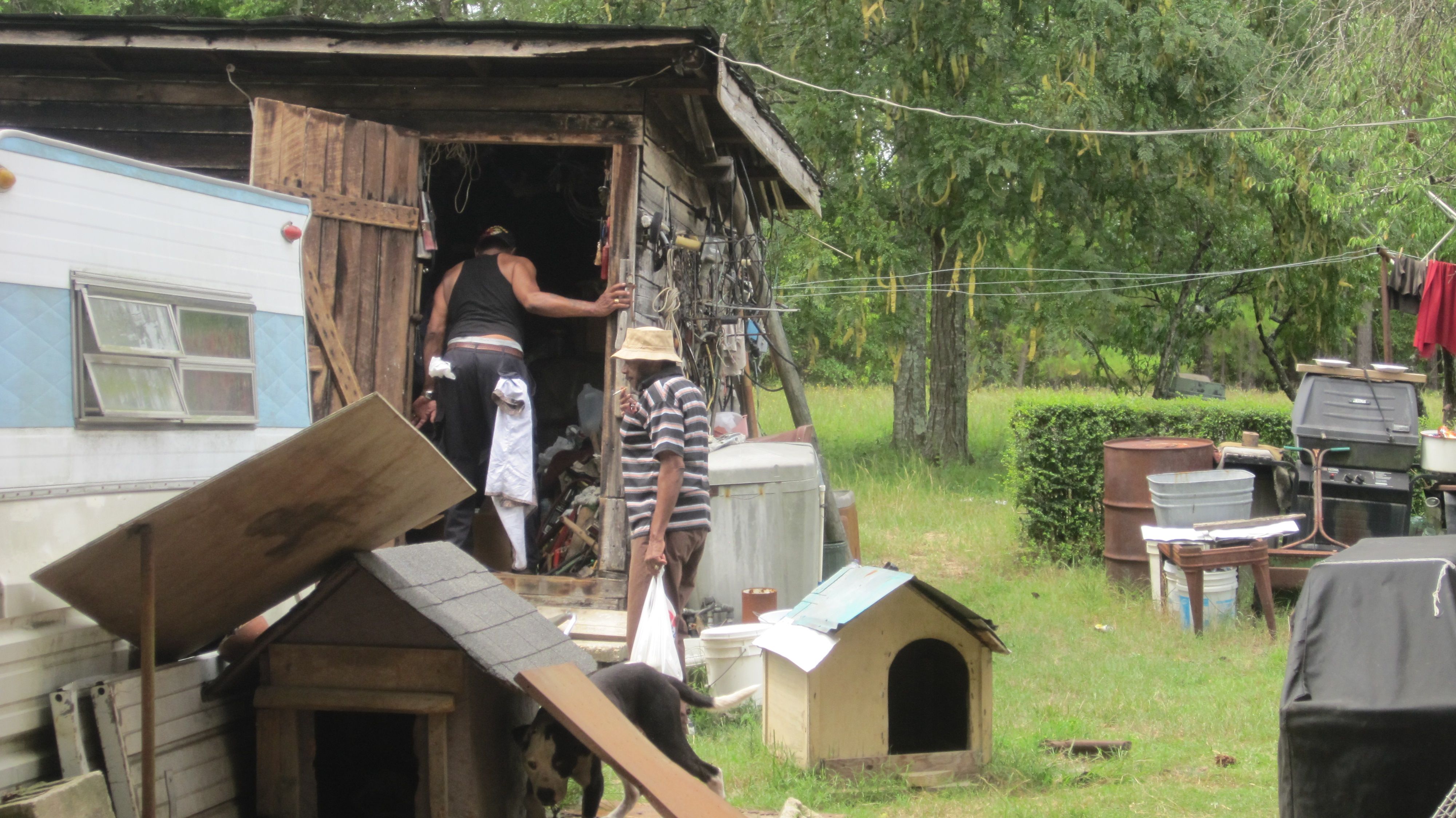
In play there is something “at play” which transcends the immediate needs of life and imparts meaning to the action. All play means something.
Johan Huizinga, Homo Ludens
When we are in love with a person, he or she appears in unfathomable profundity and variety. I would even go so far as to claim that it is the inexhaustability of a person—or in other words the source of novelty, which to a good deal constitutes the nature of love.
Erich Jantsch, The Self-Organizing Universe